
FeaturedStrategy
The fractional creative director: Why every indie artist needs a brand architect
Why independent artists need a fractional creative director to define their visual identity and guide every content choice without full-time overhead.
Strategies, industry updates, and deep dives into modern music management.
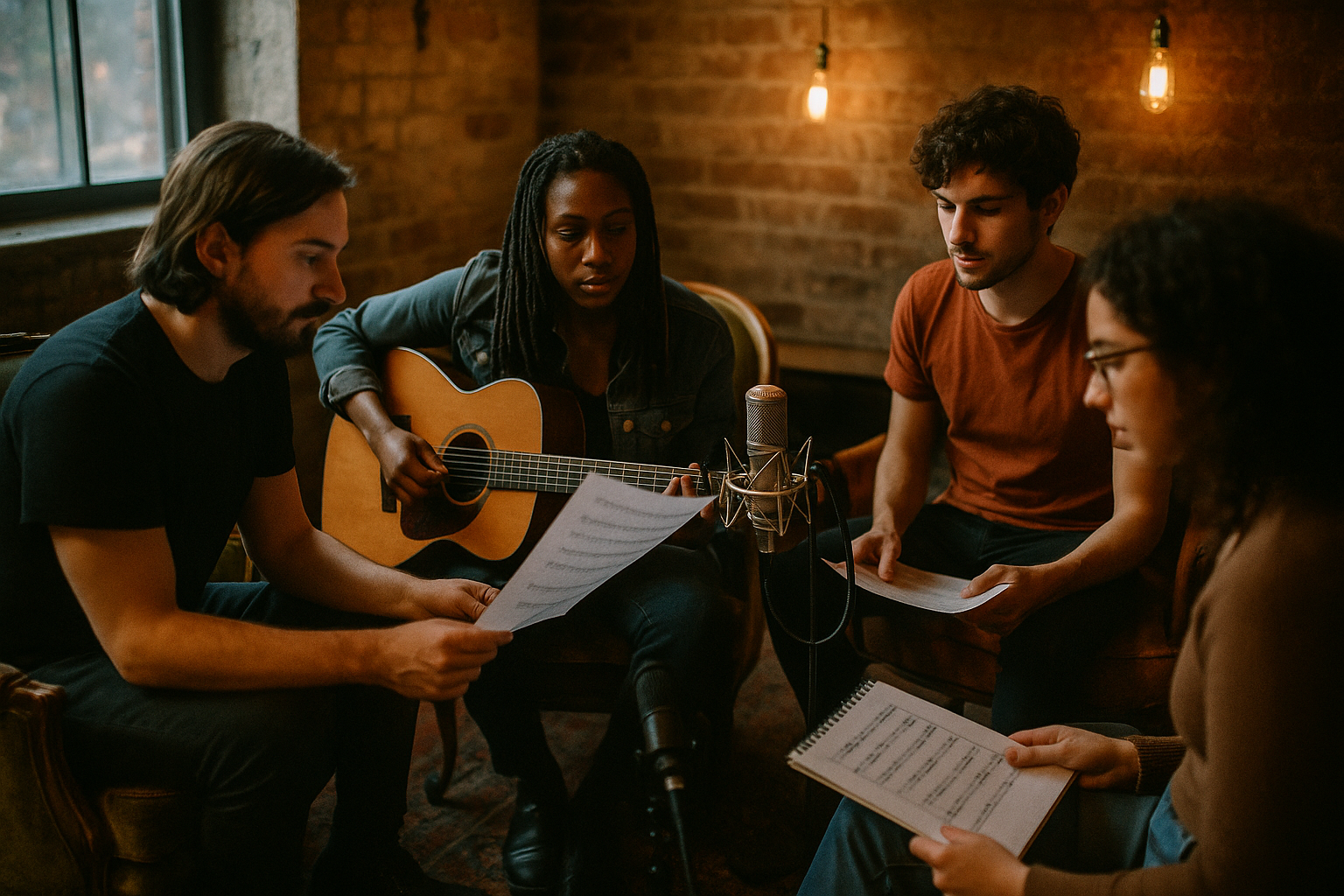
Learn how to identify, engage, and monetise a niche audience to build sustainable income without chasing mainstream reach.

Learn how to audit booking contracts, negotiate better promoter splits, and catch hidden venue charges before your tour begins.
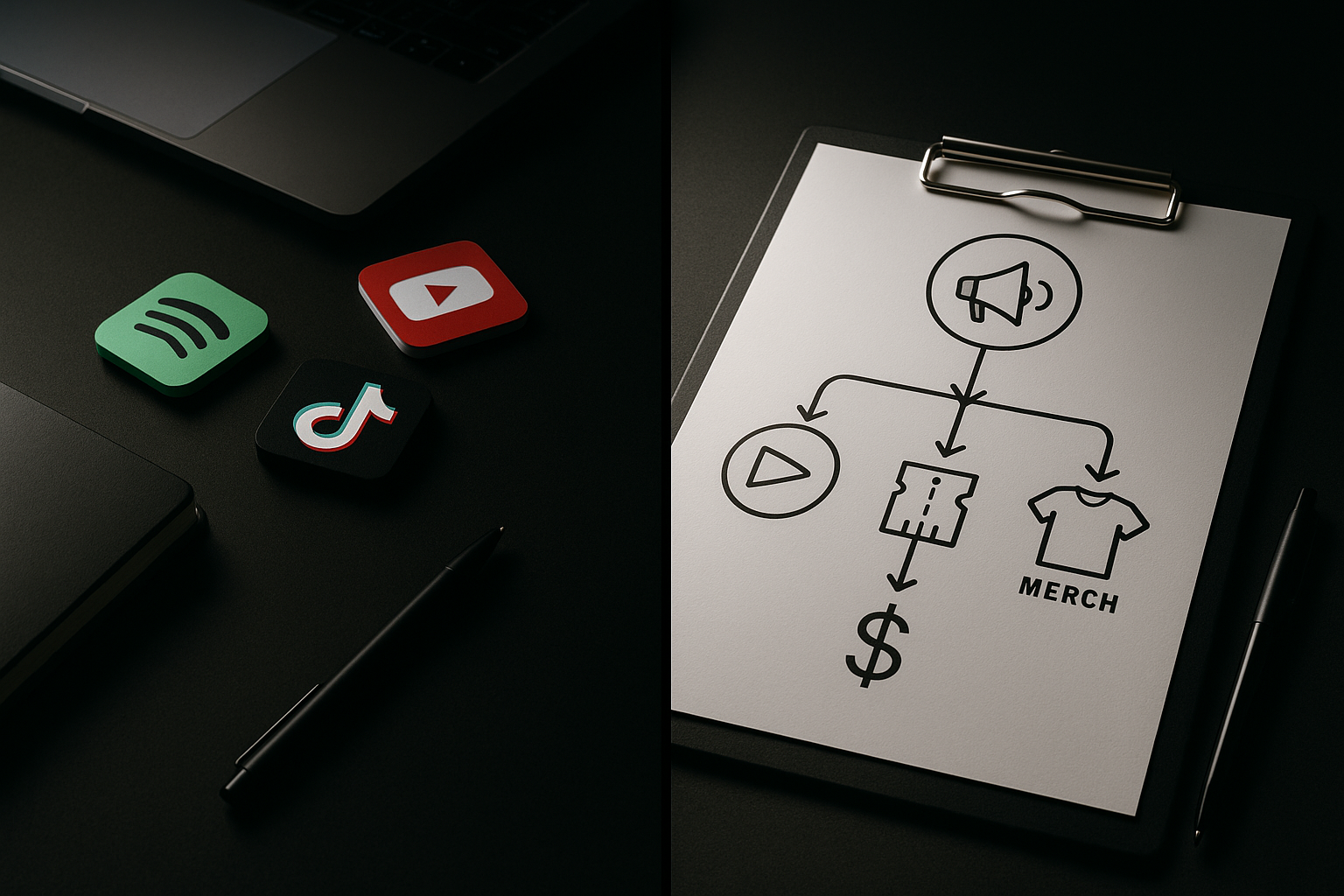
Learn why the best managers shift promotional spend to platforms that return on discovery, revenue, and live pipelines — not just streams.

Learn how to define your artist archetype, build brand pillars, and turn surface-level content into long-term cultural positioning.
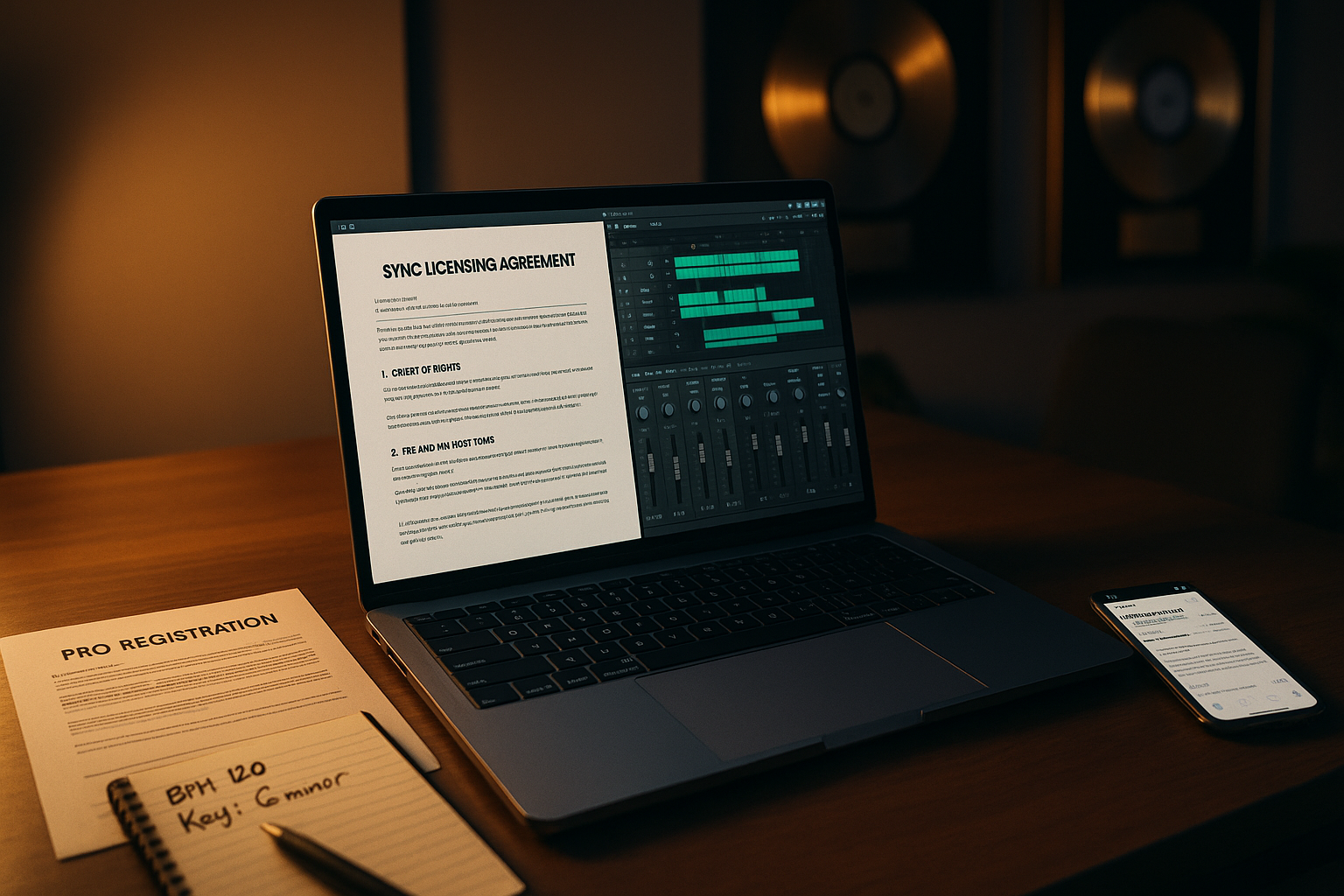
Learn why owning both your master and publishing rights makes you faster to license than major-label artists in 2026's sync market.
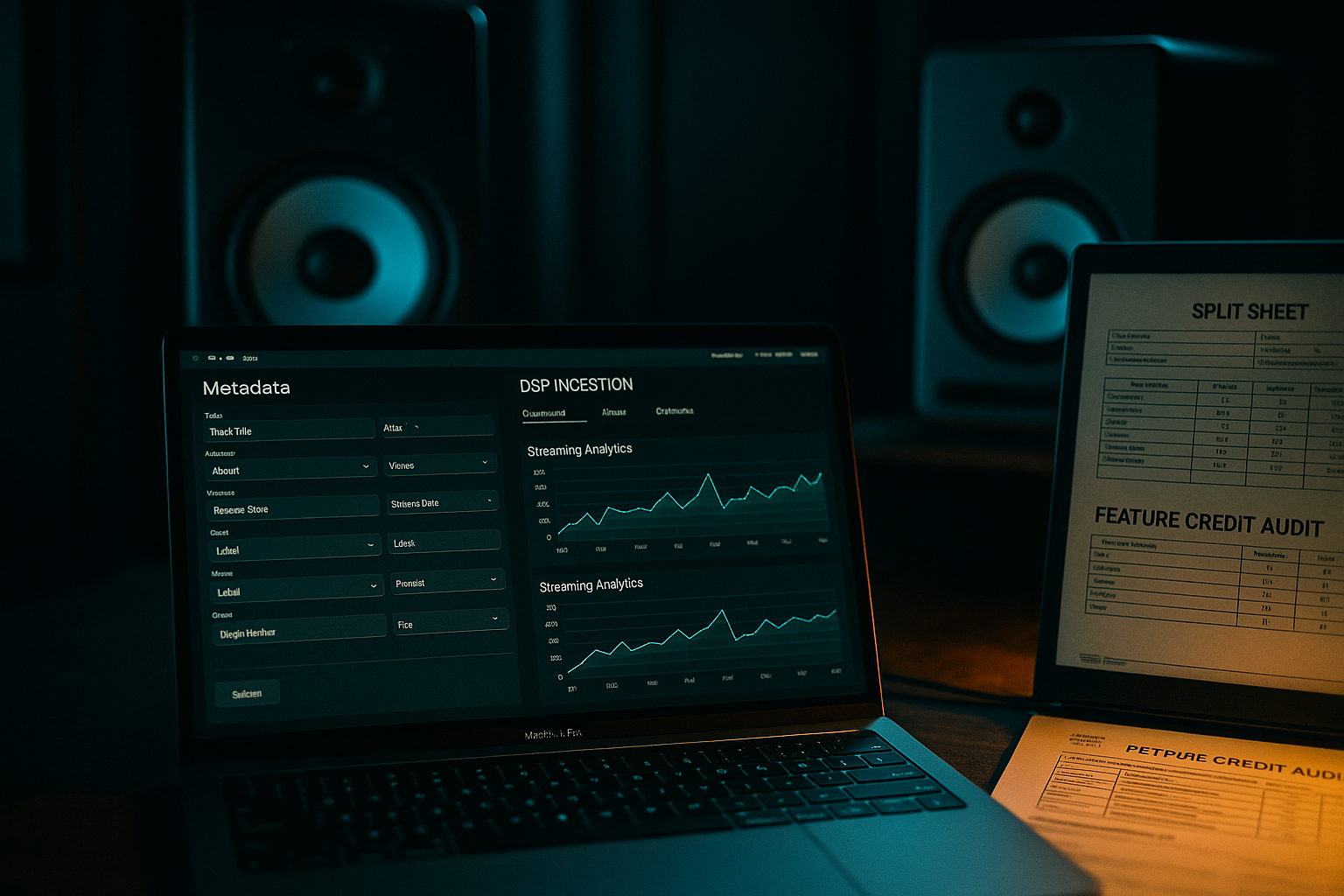
Learn how distro hackers engineer metadata, audit feature credits, and optimise ingestion windows to build streaming assets that compound over time.
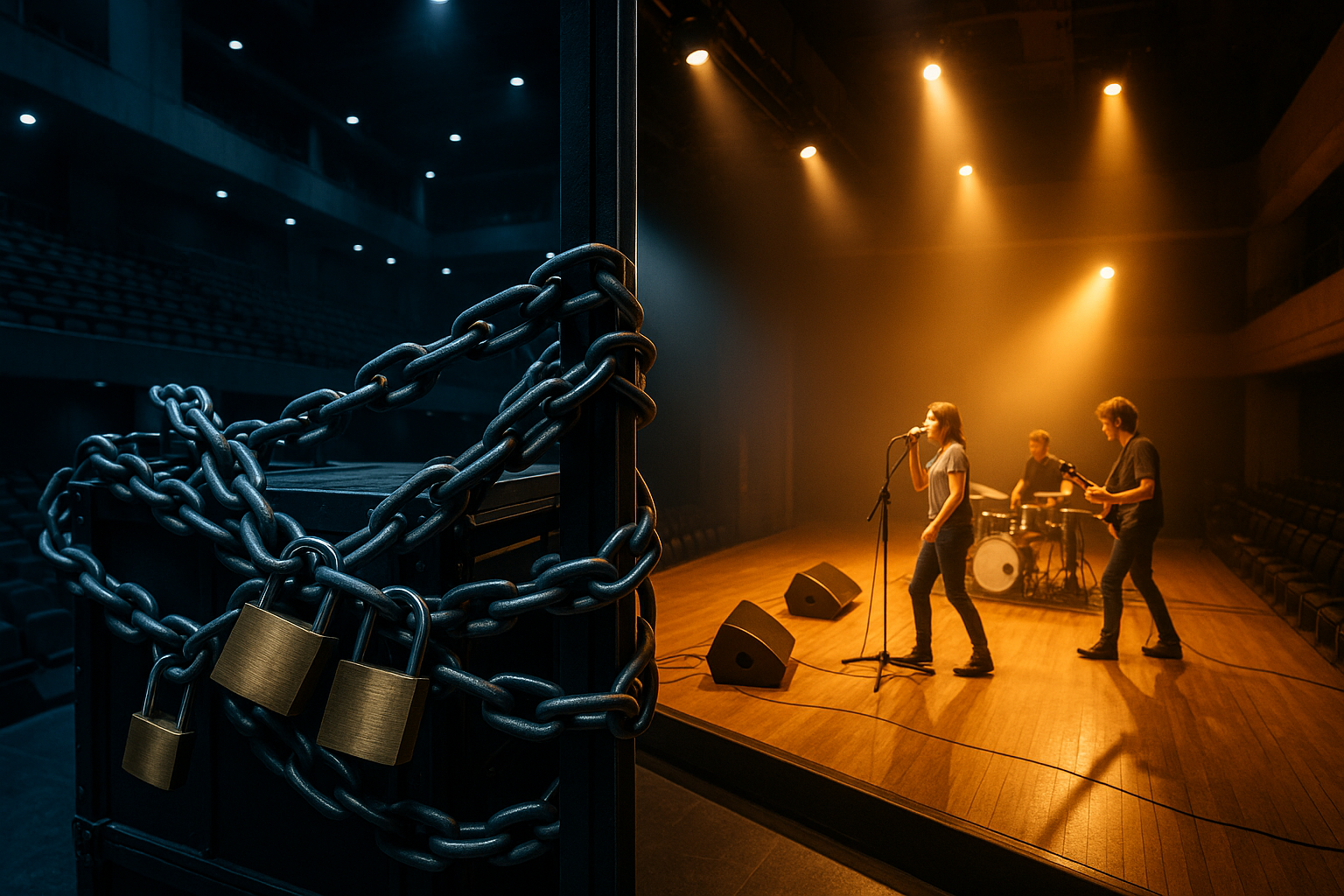
What the Live Nation antitrust verdict actually means for independent artists who tour, and how to position yourself before the new landscape solidifies.

Learn how independent artists turn micro-community investment into outsized word-of-mouth growth, merch revenue, and sustainable careers.
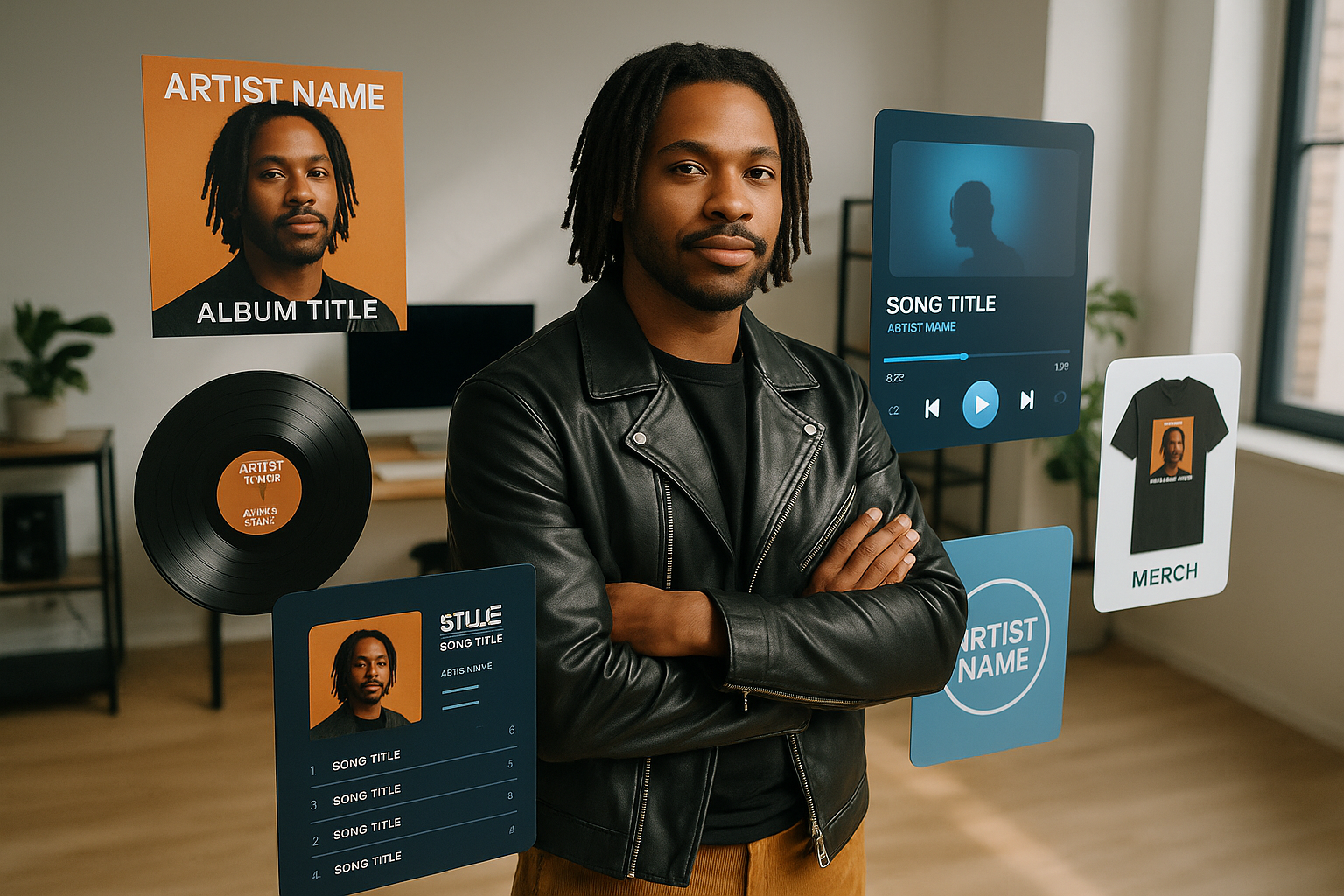
Learn to structure your music catalogue, image rights, and content output as revenue-generating IP assets with long-term value.
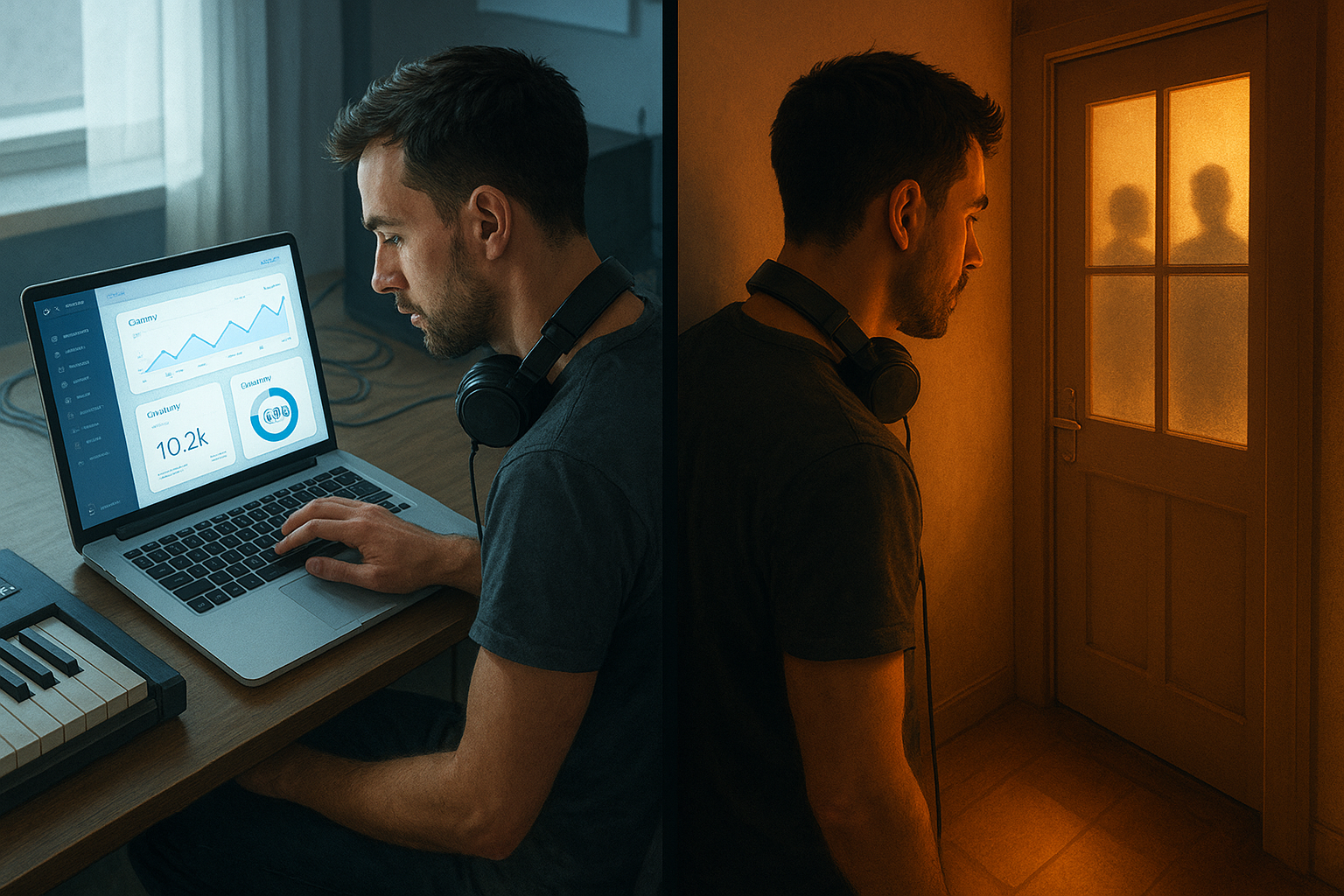
Why the 2026 payola ban killed Discovery Mode funding for independent artists while major labels kept their algorithmic advantage intact.
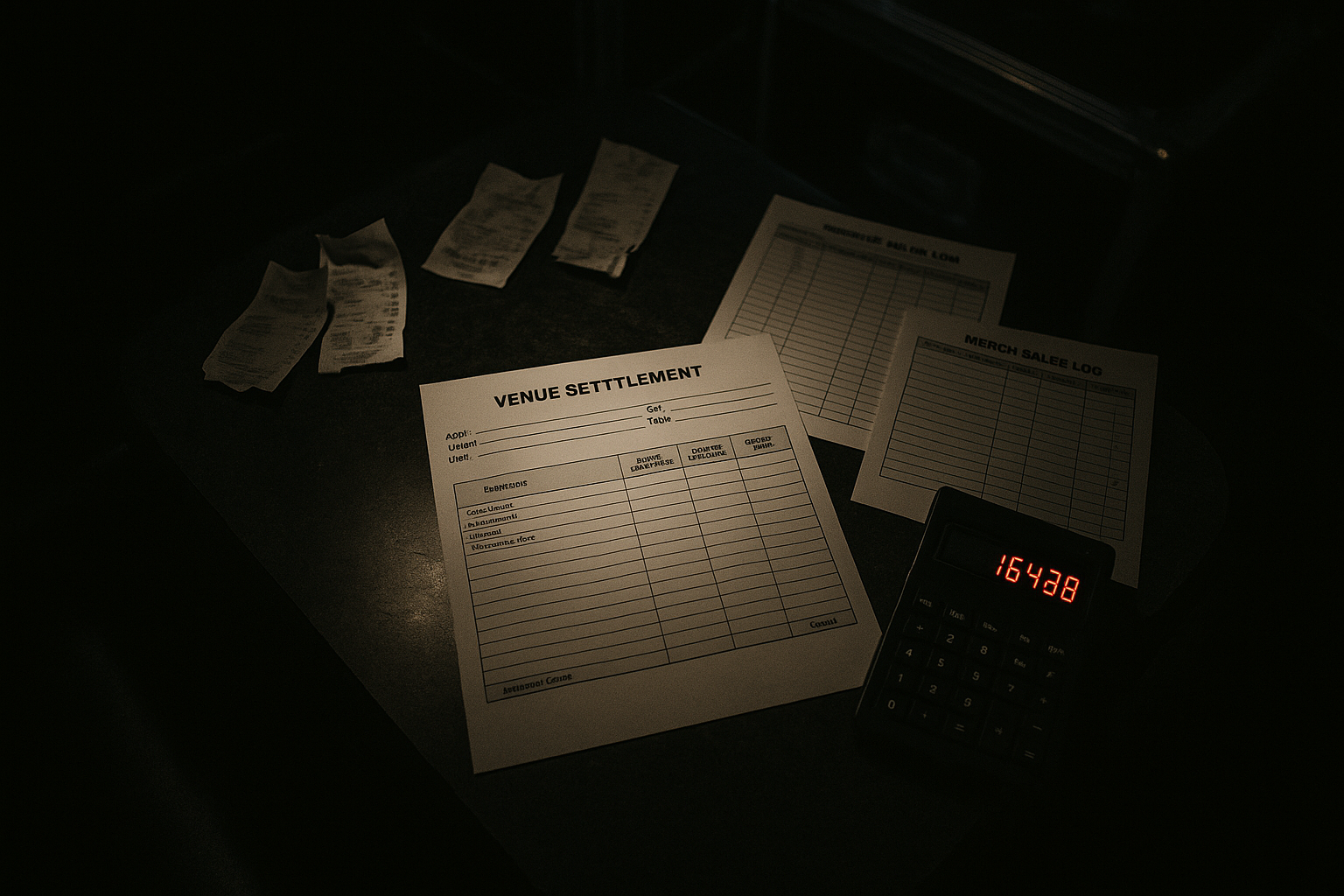
Learn how to audit venue reports, ticket data, and promoter deals to recover missed income and strengthen your next negotiation.
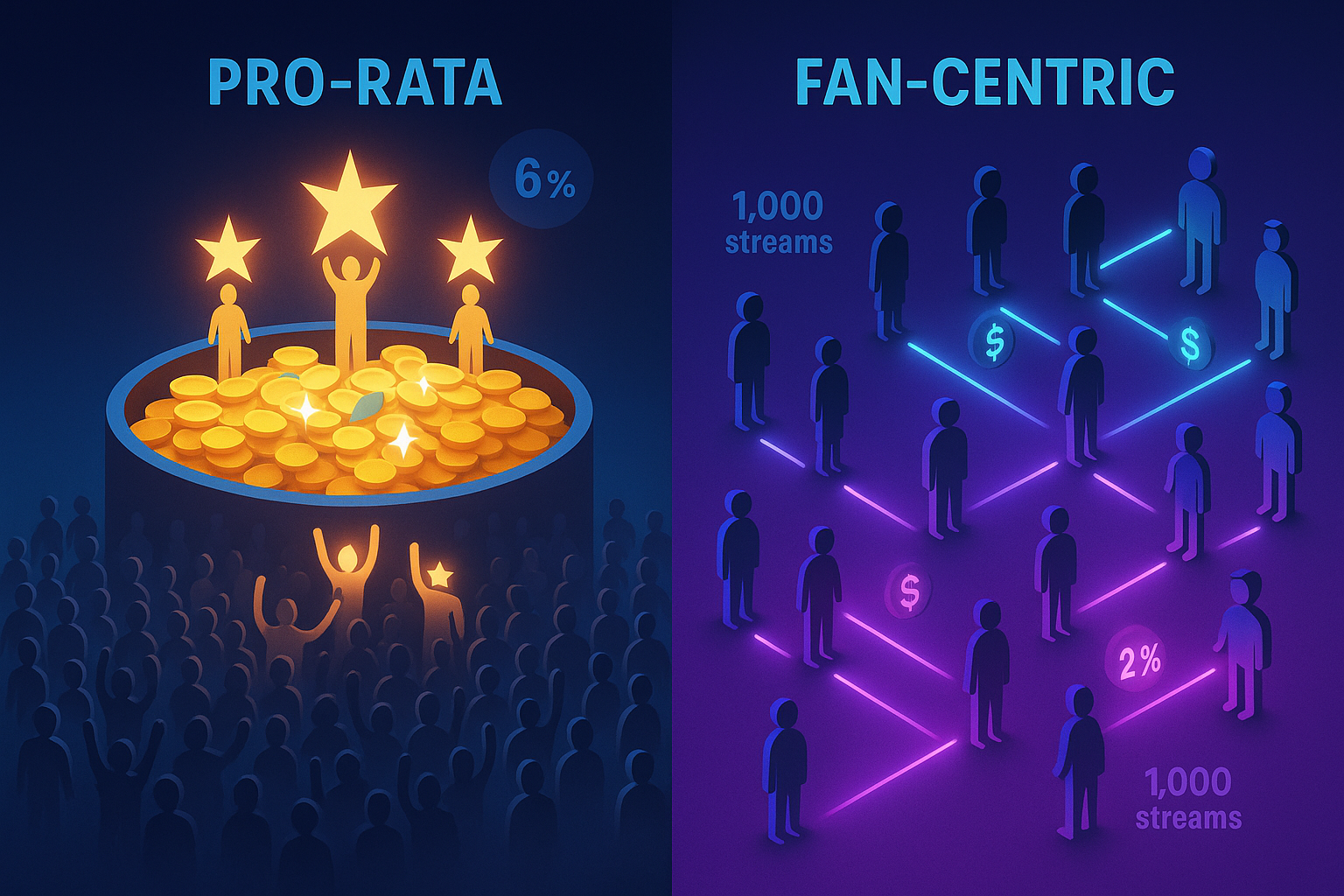
Why the pro-rata streaming model punishes independent artists, how fan-centric payouts work, and which platforms to prioritise now.

When your publishing administrator gets acquired, your termination rights and royalty data are on the line — here's what to check now.

Why hiring a tour manager for local shows improves your profit margin, sharpens your logistics, and separates you from amateur acts.
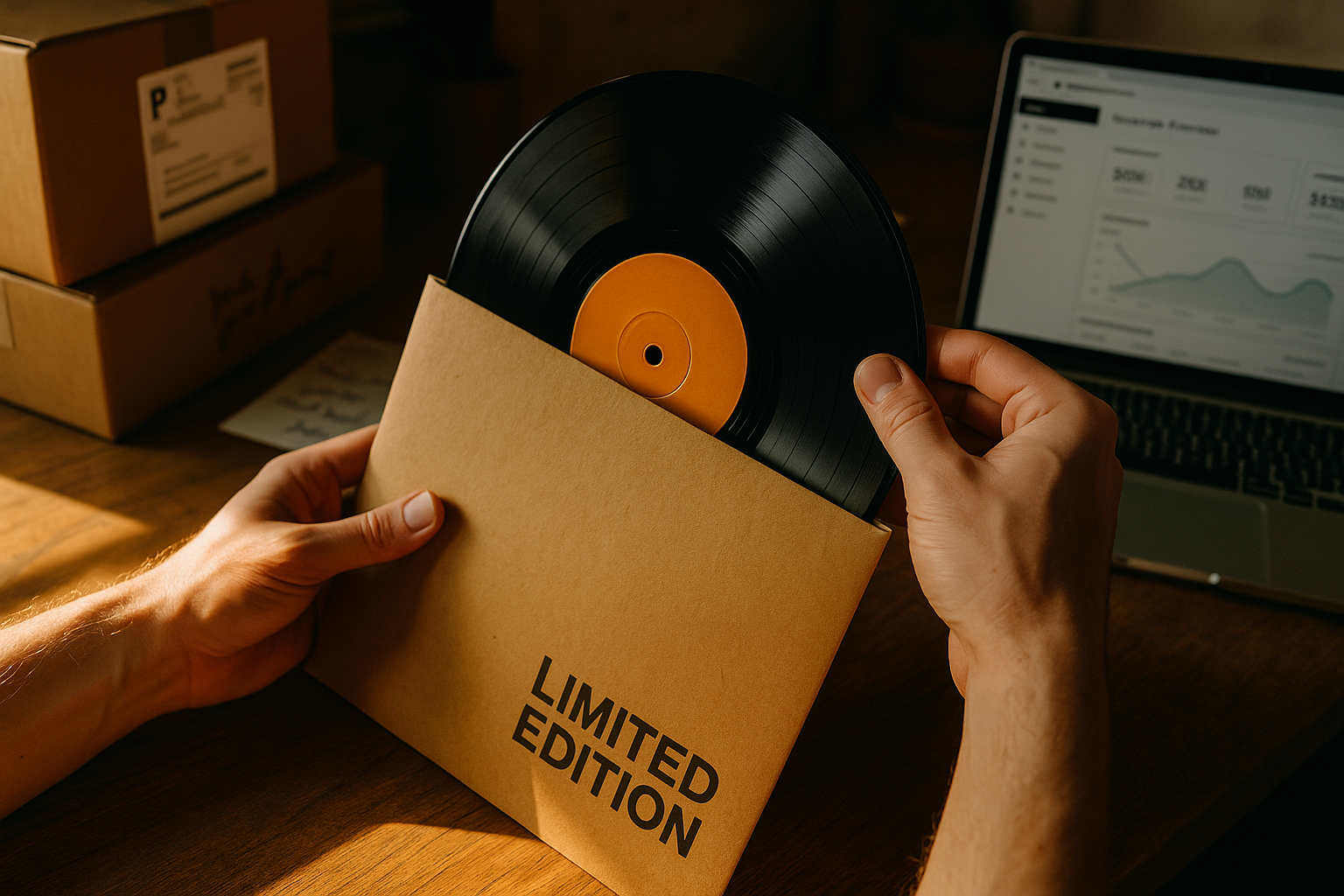
How 63% of physical album sales now bypass retail, and why independent artists should treat streaming as discovery, not revenue.

Learn how to audit venue settlement sheets, spot inflated charges, and negotiate back the earnings you're owed on tour.
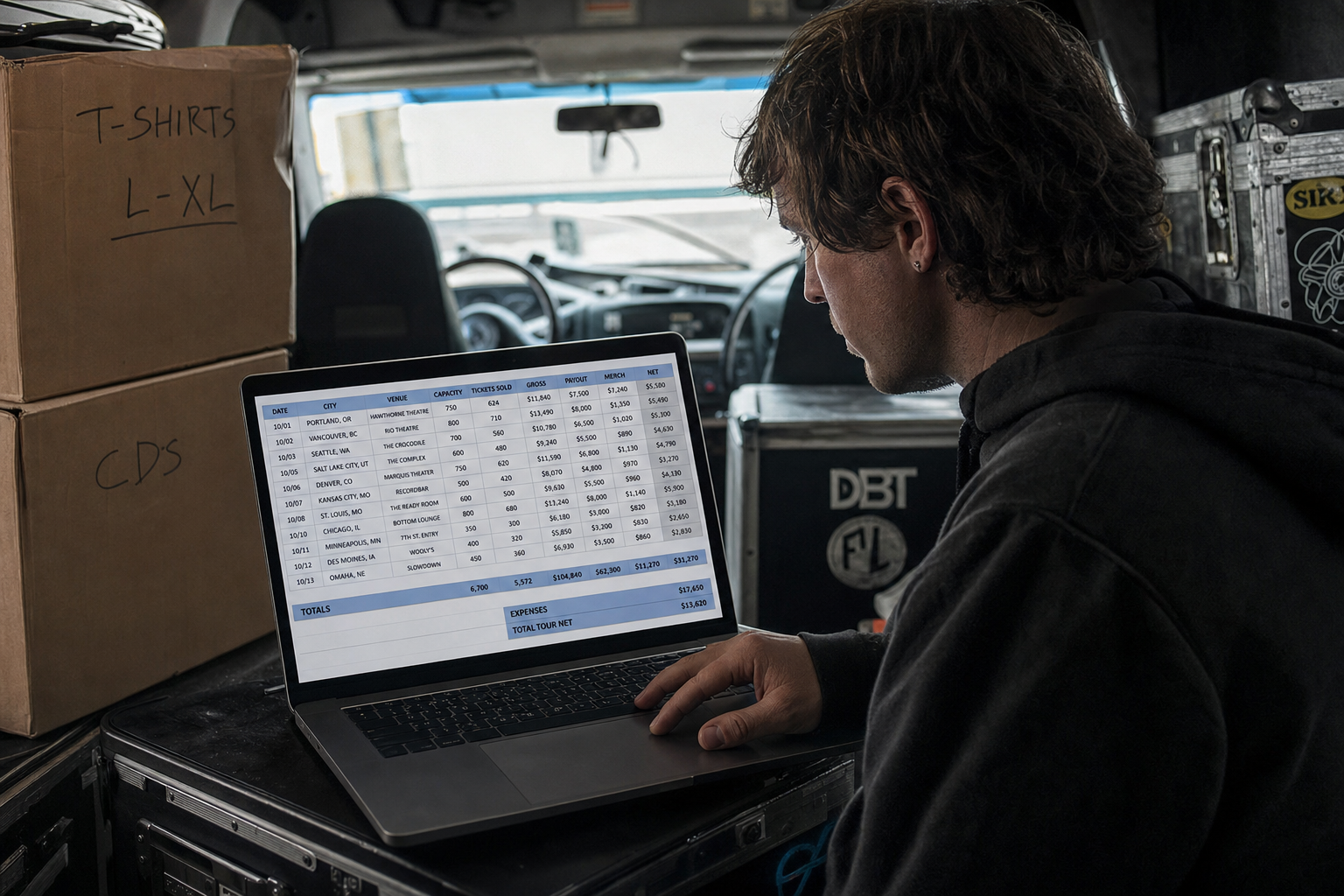
Touring can bankrupt you fast. Learn the real math behind van rentals, door deals, routing strategy, and why merch is what keeps most tours alive.
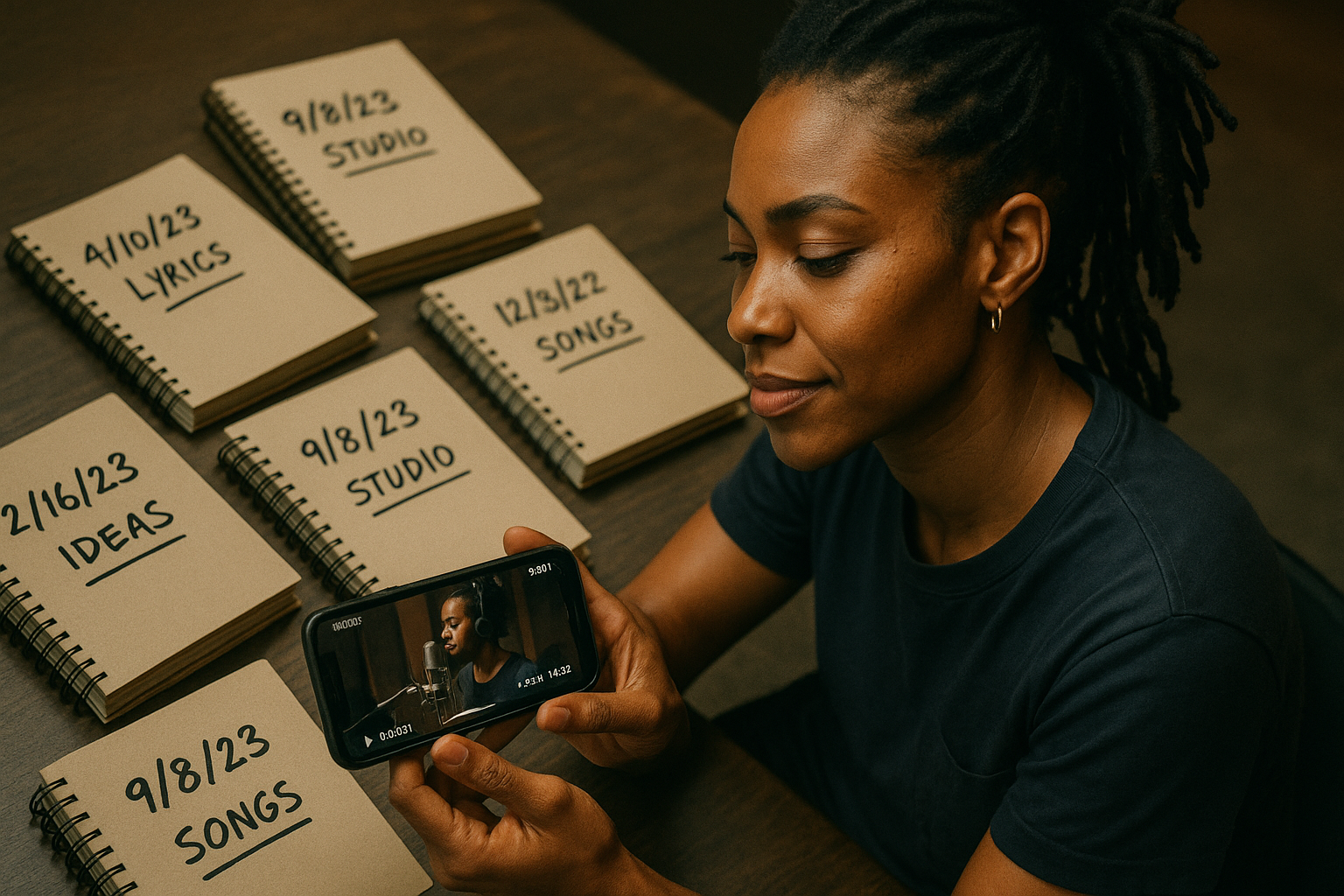
Learn how to turn one studio session into three months of content using a tactical capture and repurpose system.
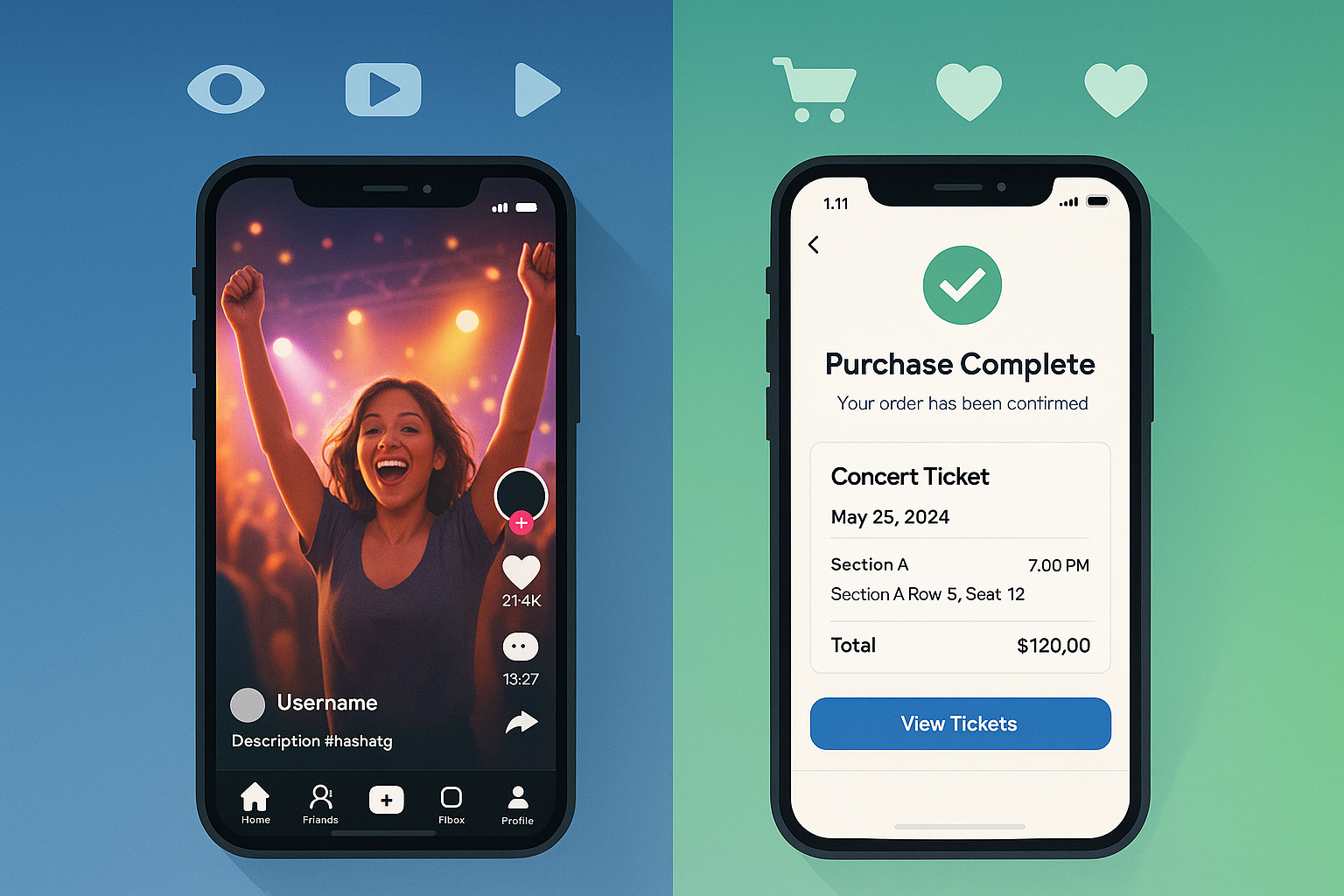
How to turn your TikTok followers into ticket buyers using link strategy, retargeting pixels, and a content calendar that converts.
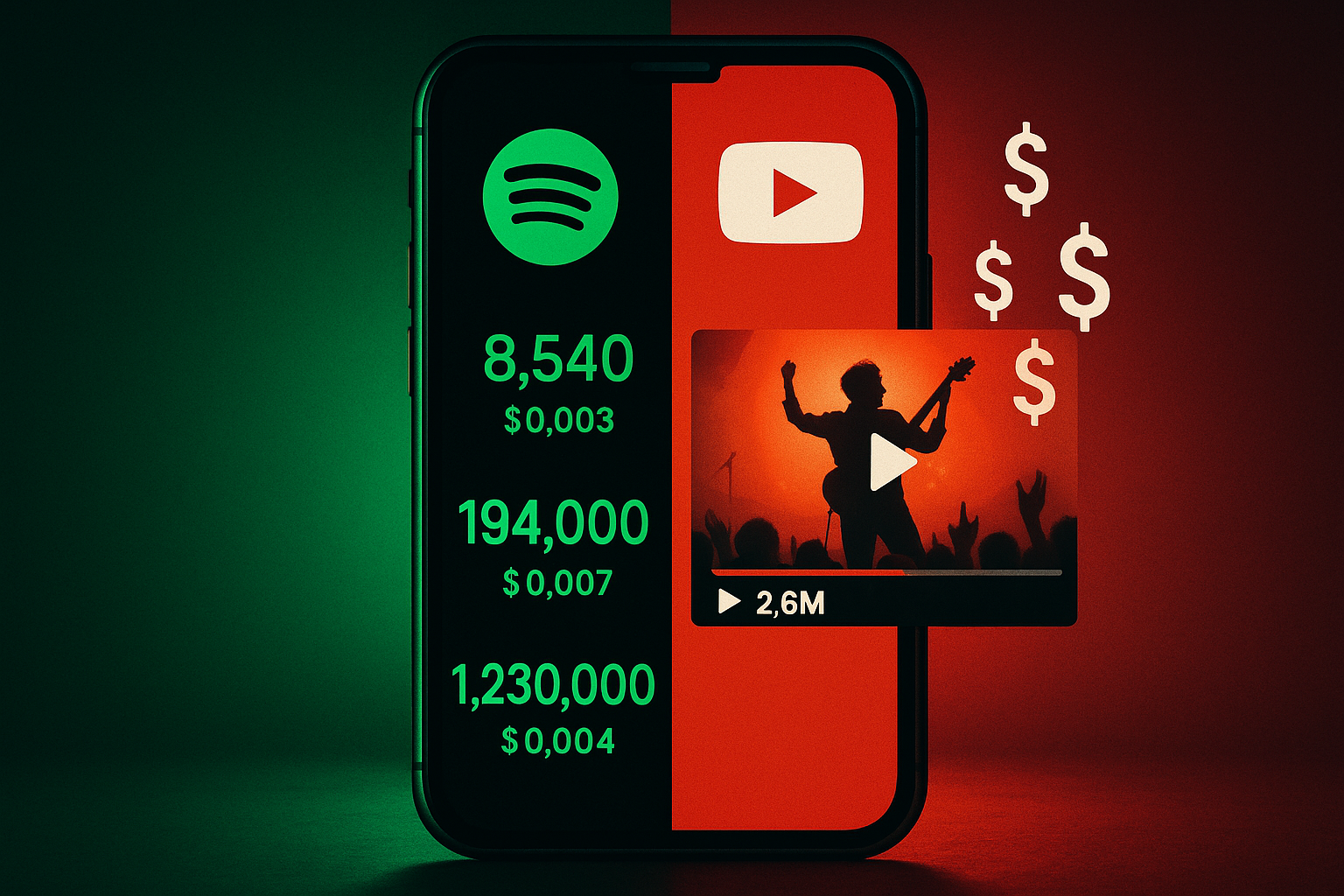
Learn why experienced managers are shifting ad spend from Spotify to YouTube to monetise content directly and convert streams into ticket sales.

Most independent artists blow 80% of their budget on release week, then vanish. The data shows what to do instead.

Spotify negotiated new licenses for AI remixes instead of using old rights. That precedent forces independent artists to act now or lose control.
Learn how to turn your back catalogue into active revenue using reactivation tactics, repurposed stems, and historical data to drive current growth.
How hip-hop artists built empires through brand deals, 360 models, and non-music revenue streams you can replicate across any genre.
How to build a digital vault that tracks every stem, split, and royalty source so you stop leaving money on the table.
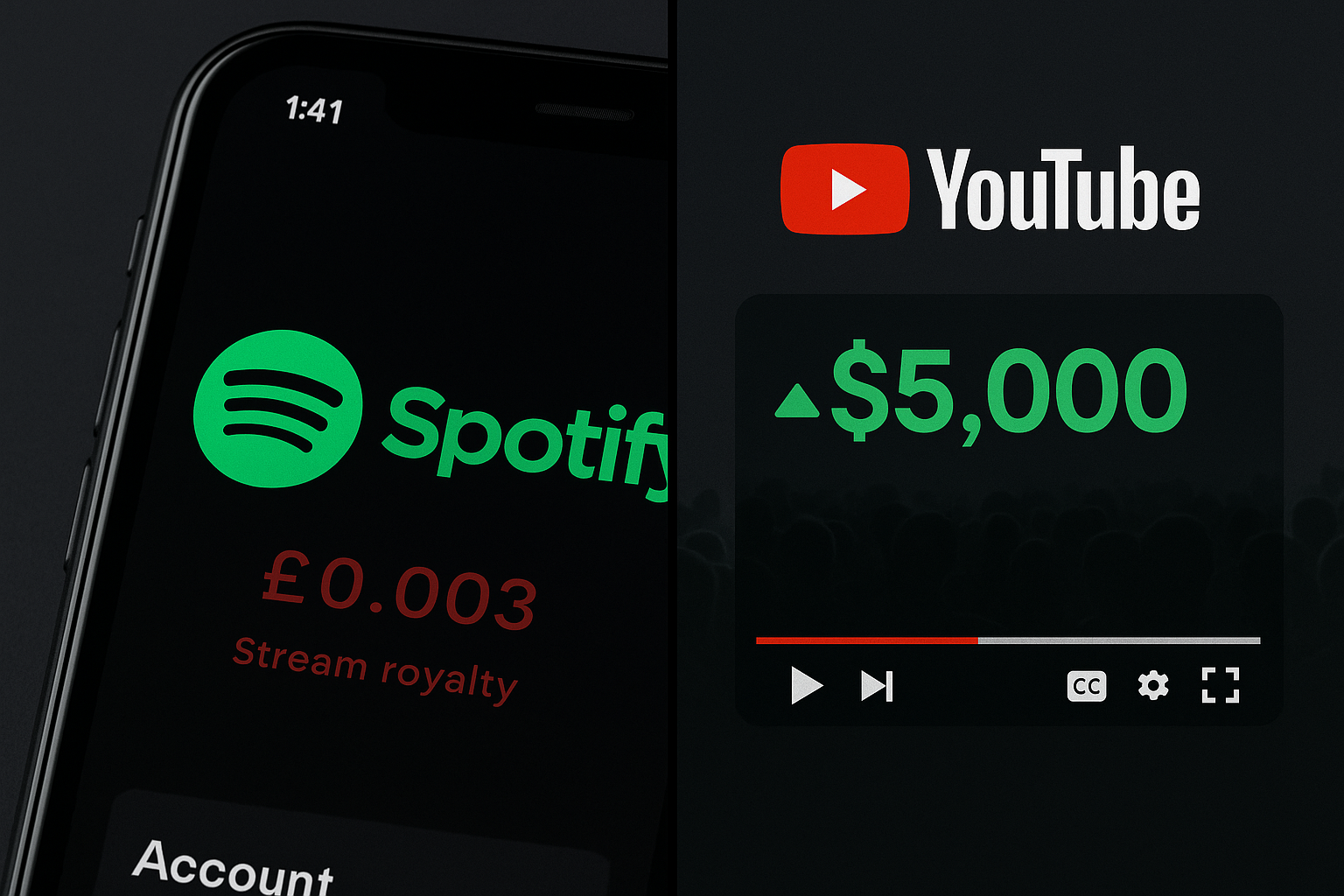
Learn why managers like Barreto are shifting artist ad spend from Spotify to YouTube, and how to calculate which platform actually pays you back.
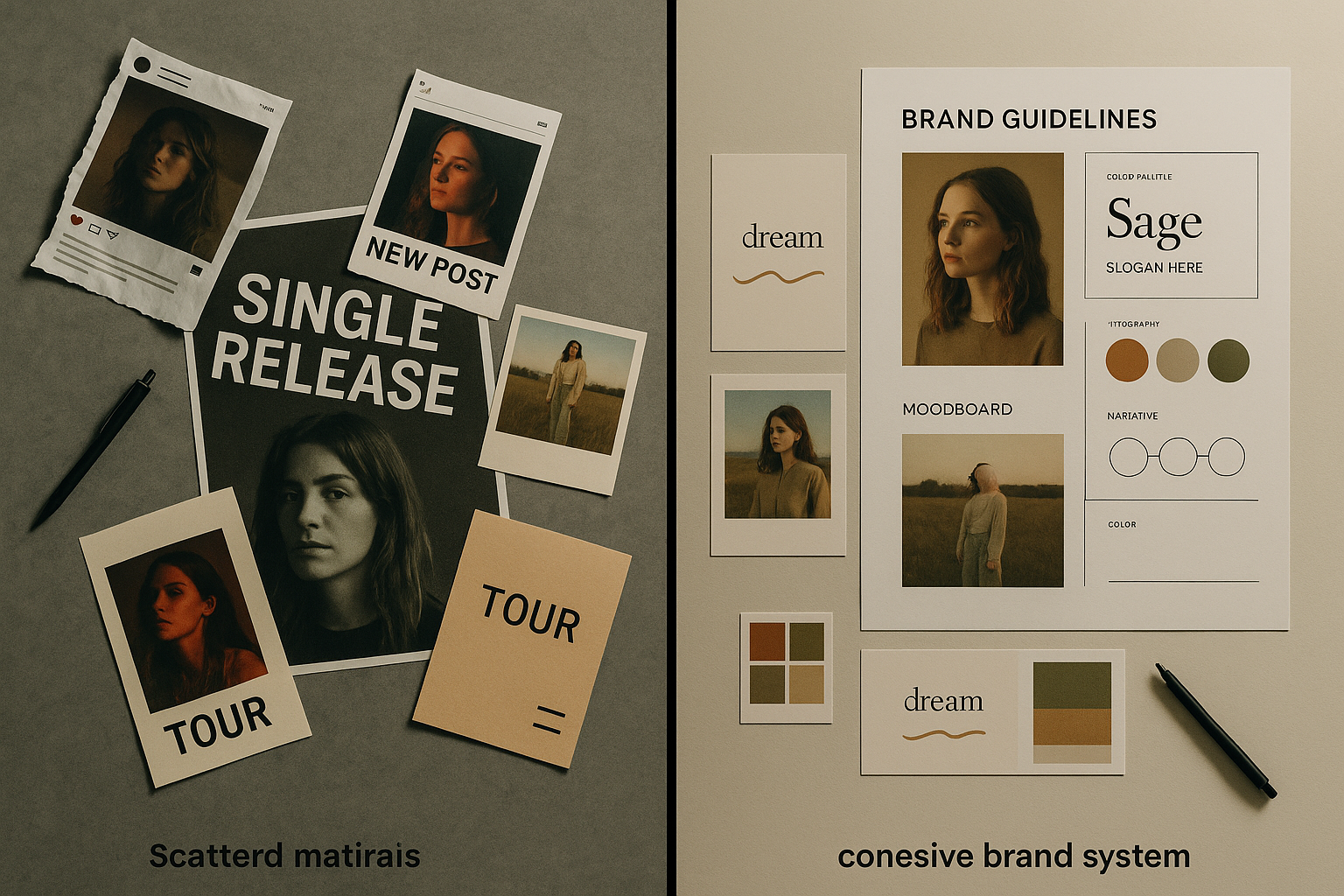
Learn how a brand architect builds consistent identity and markets the feeling behind your music, not just the track.
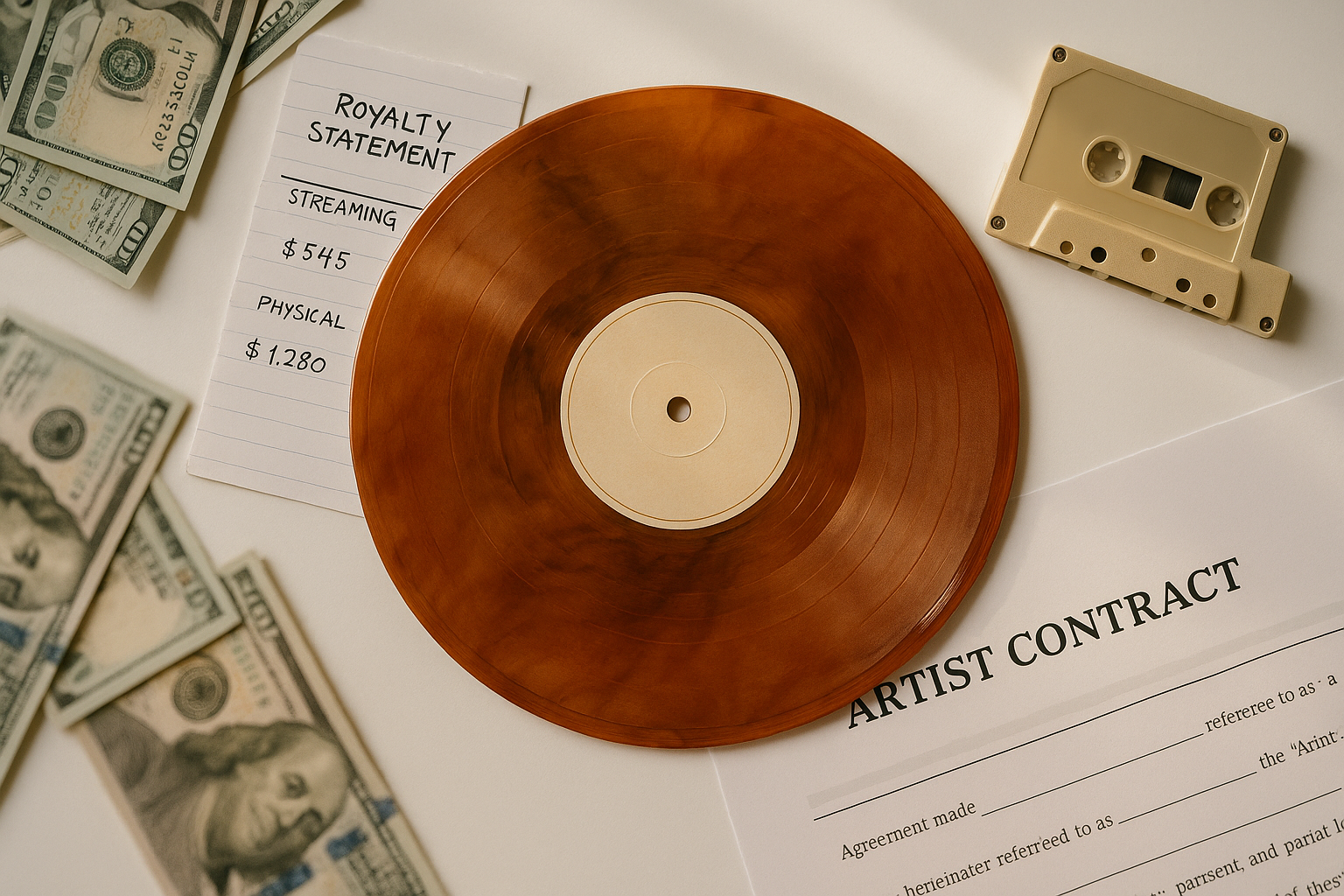
Learn how selling 50 limited-edition vinyl units per month can generate more net revenue than 600,000 Spotify streams.

Streaming growth has flatlined in Western markets. Your next revenue dollar is in direct sales, physical media, and fan channels.
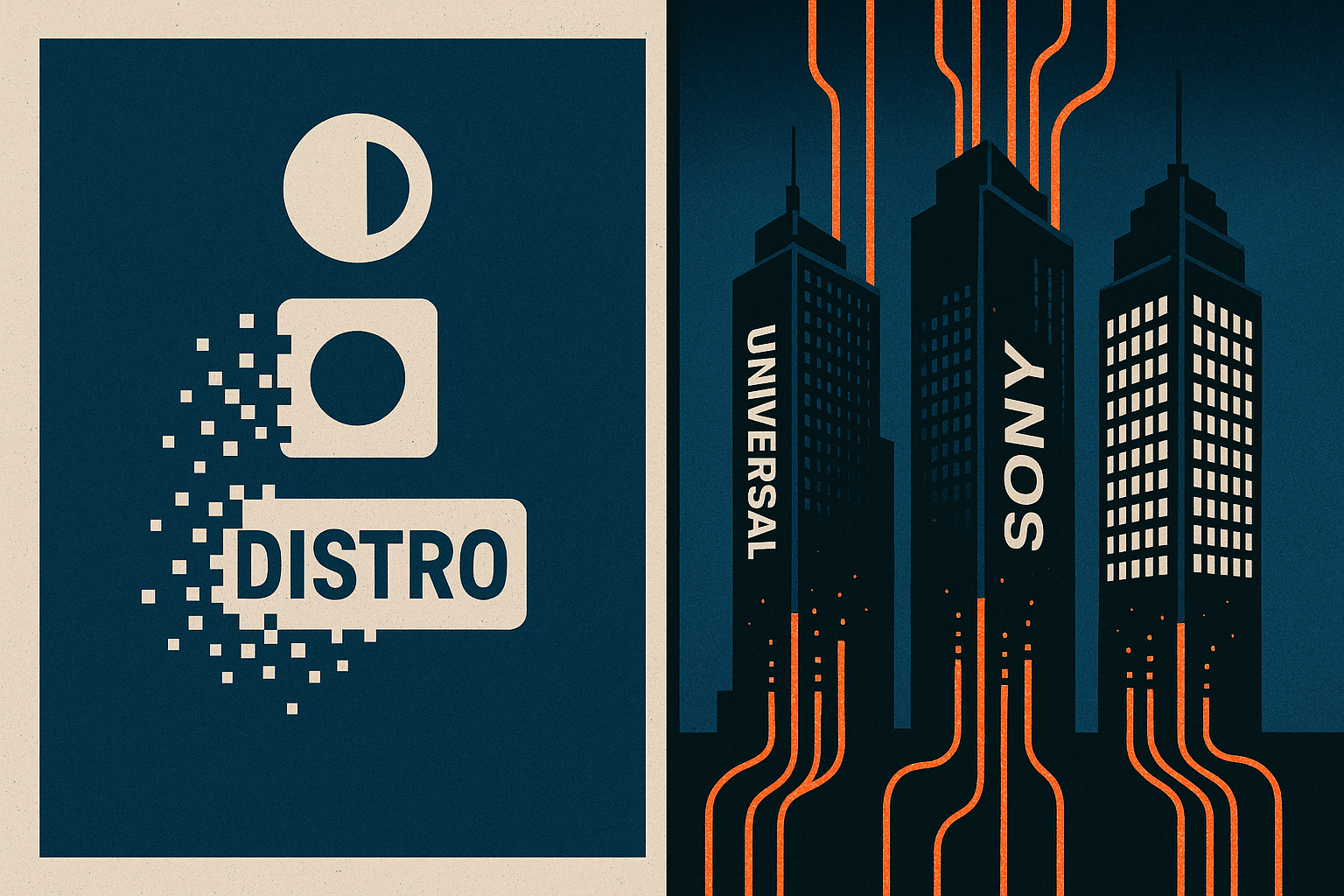
Warner bought Revelator. Sony owns The Orchard. Universal has Virgin Music. Every major now controls independent distribution infrastructure. Here's what that means for your royalty data.
How venue deals, cost stacks, and routing logic determine whether your tour makes money or quietly drains your margins.
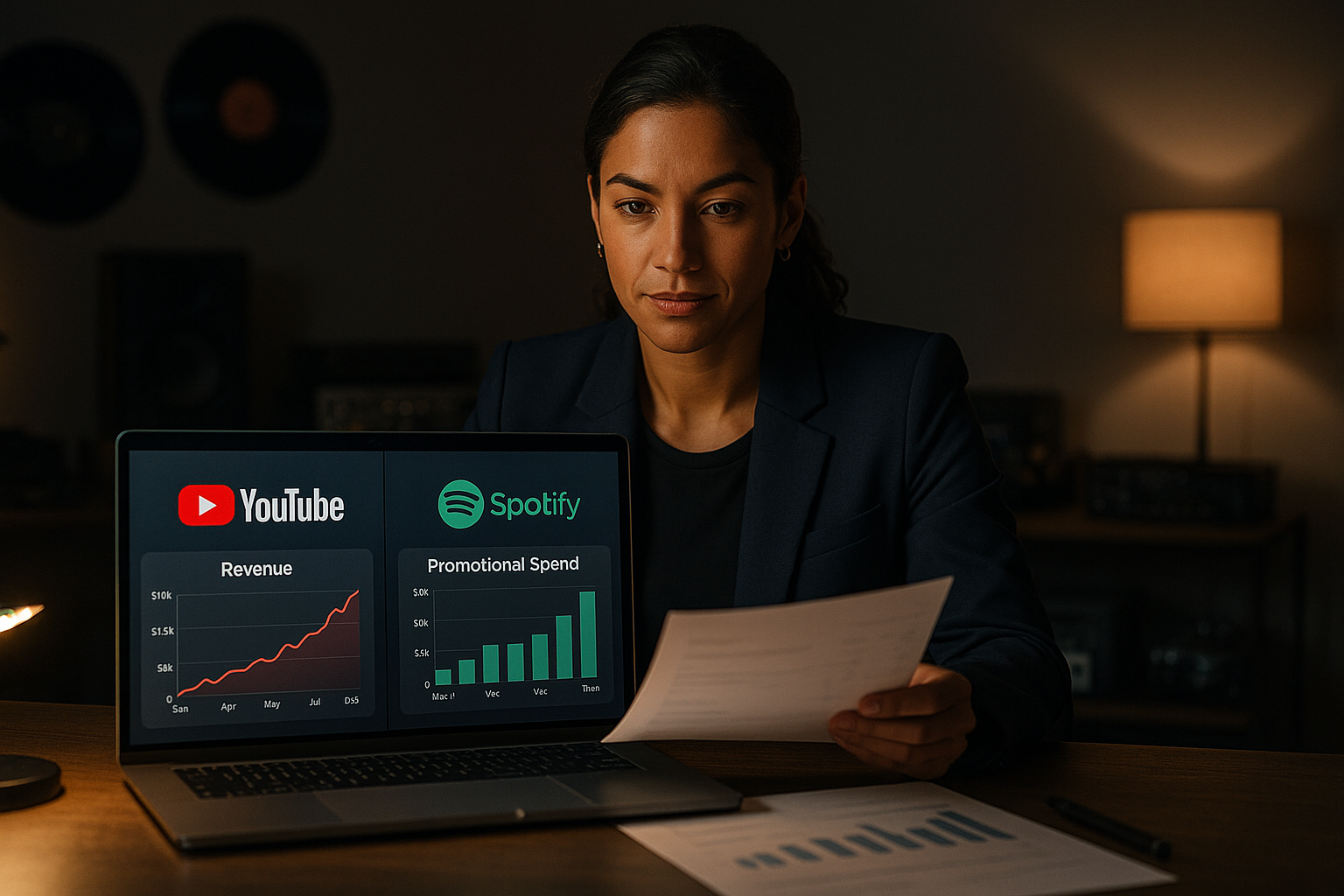
Independent managers are quietly reallocating paid promo budget from Spotify to YouTube - because one platform pays you back while the other just takes your money.
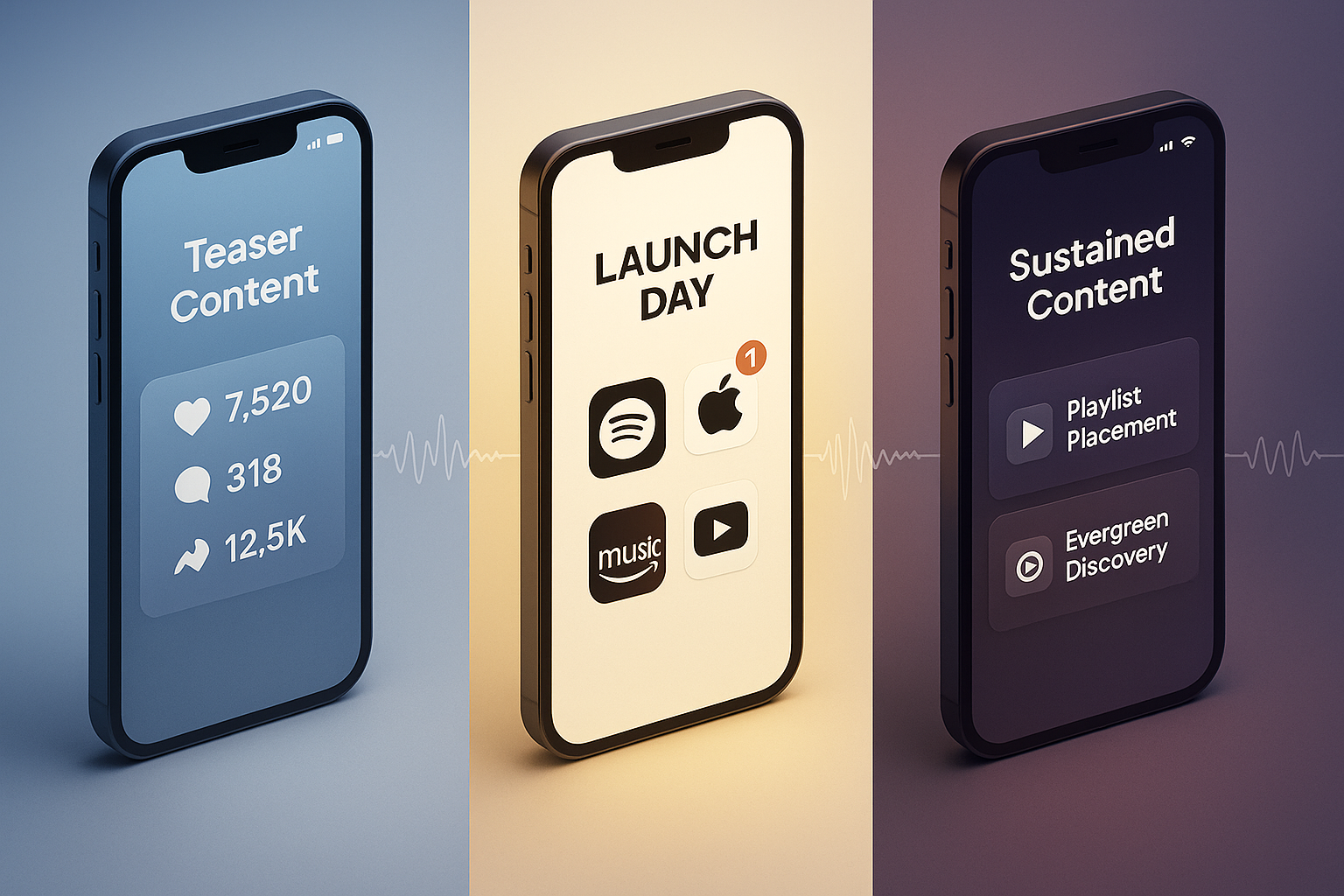
Most artists stop at 'out now' and miss the real play: a three-phase content system that builds narrative and sustains discovery.
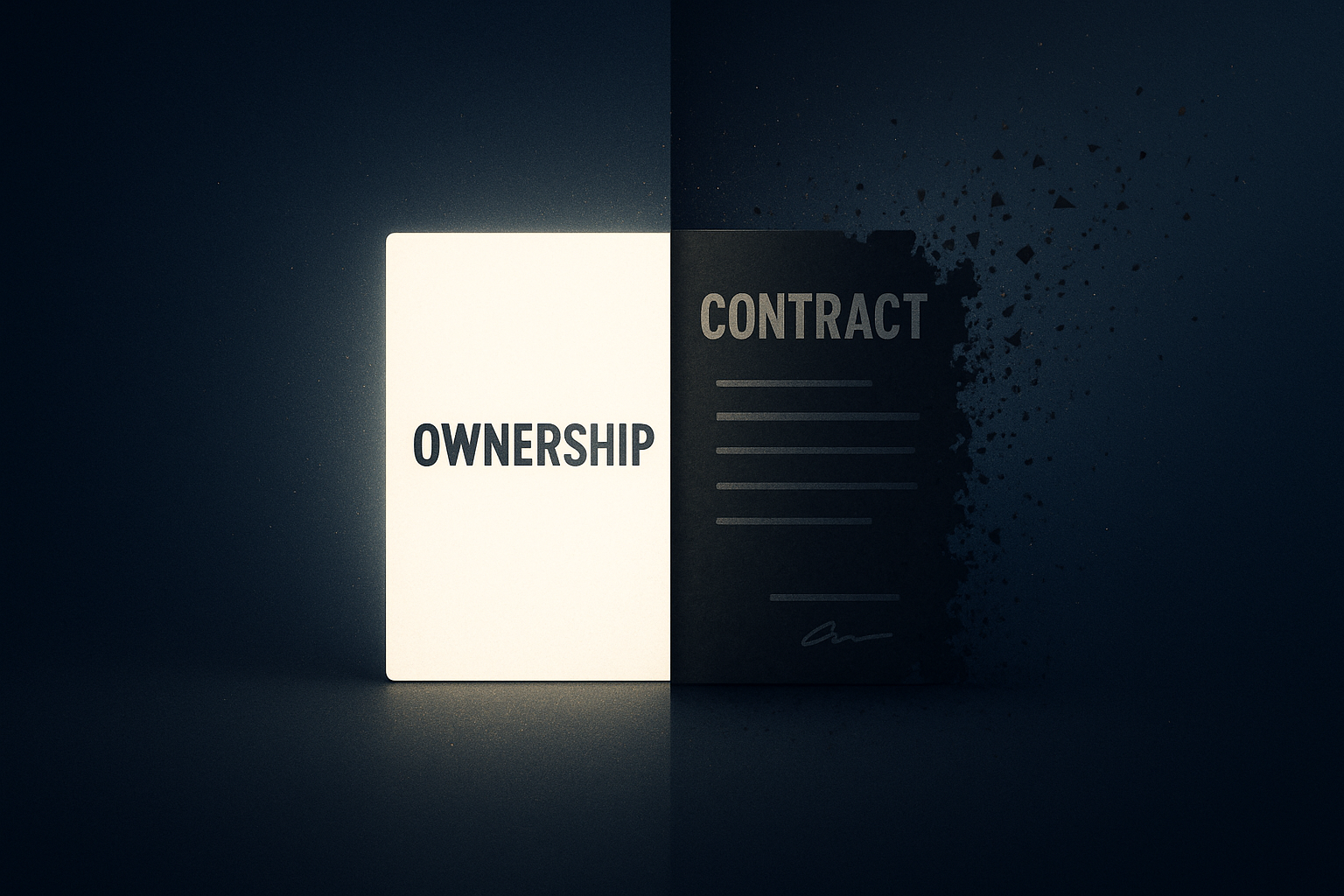
Lorde spent a decade earning back what independent artists are born with: the right to own their masters, publishing, and name.

How brands now use AI to match with artists by archetype and cultural fit, not just streams or chart position.
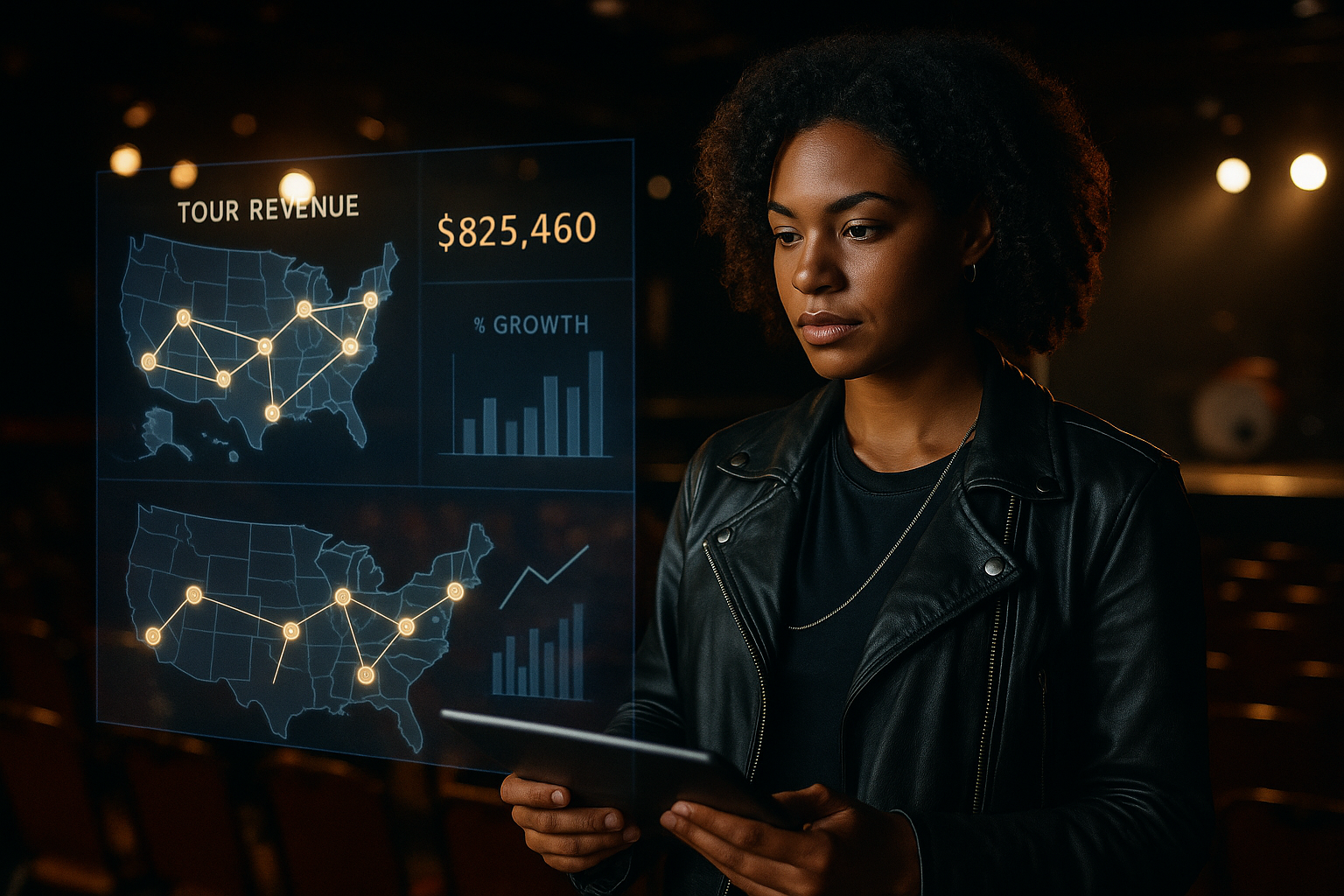
How playing fewer cities and stacking multiple revenue events per market is helping independent artists earn more from touring in 2026.
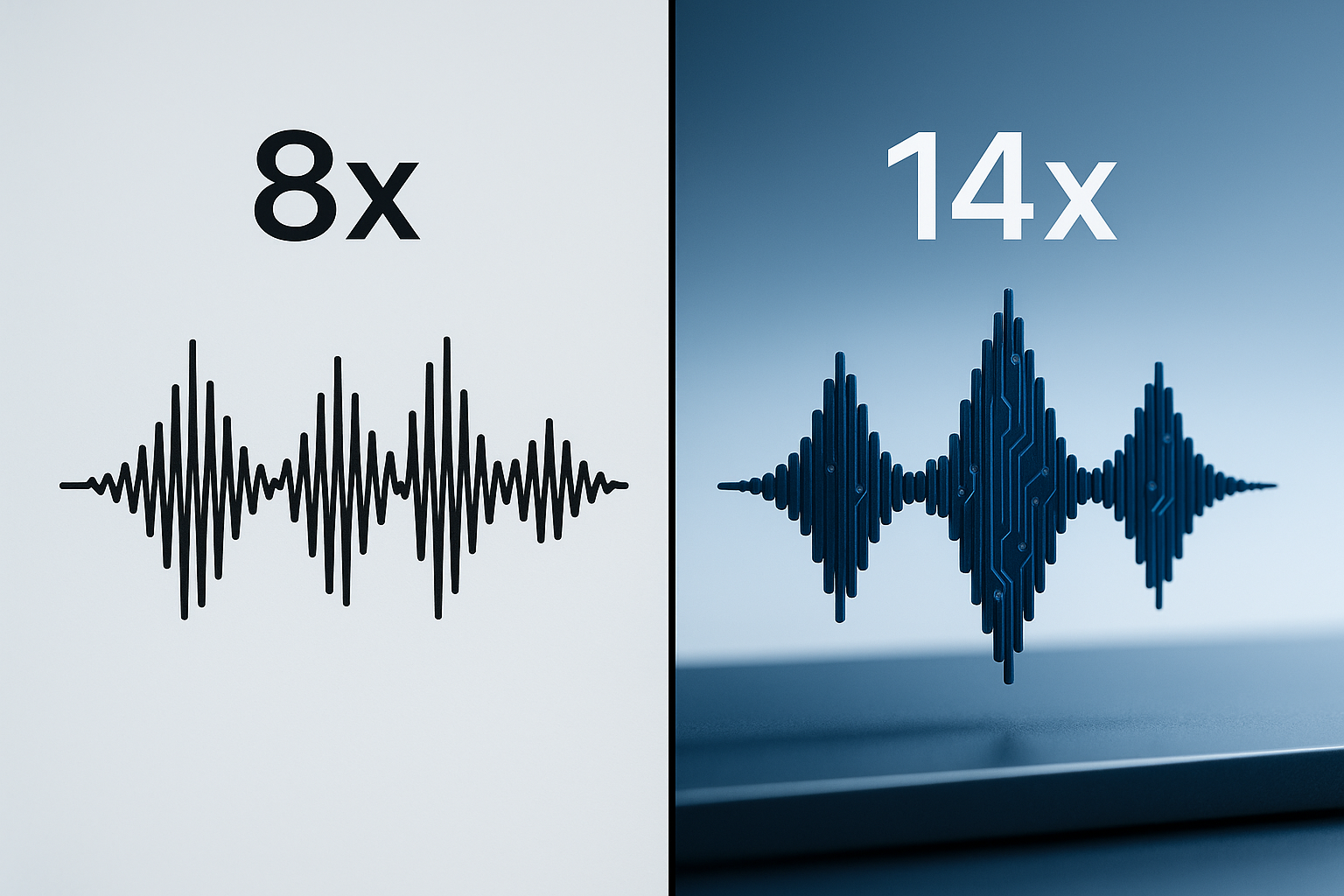
Learn how AI licensing deals in 2026 are pushing independent catalog valuations from 8x to 18x multiples.
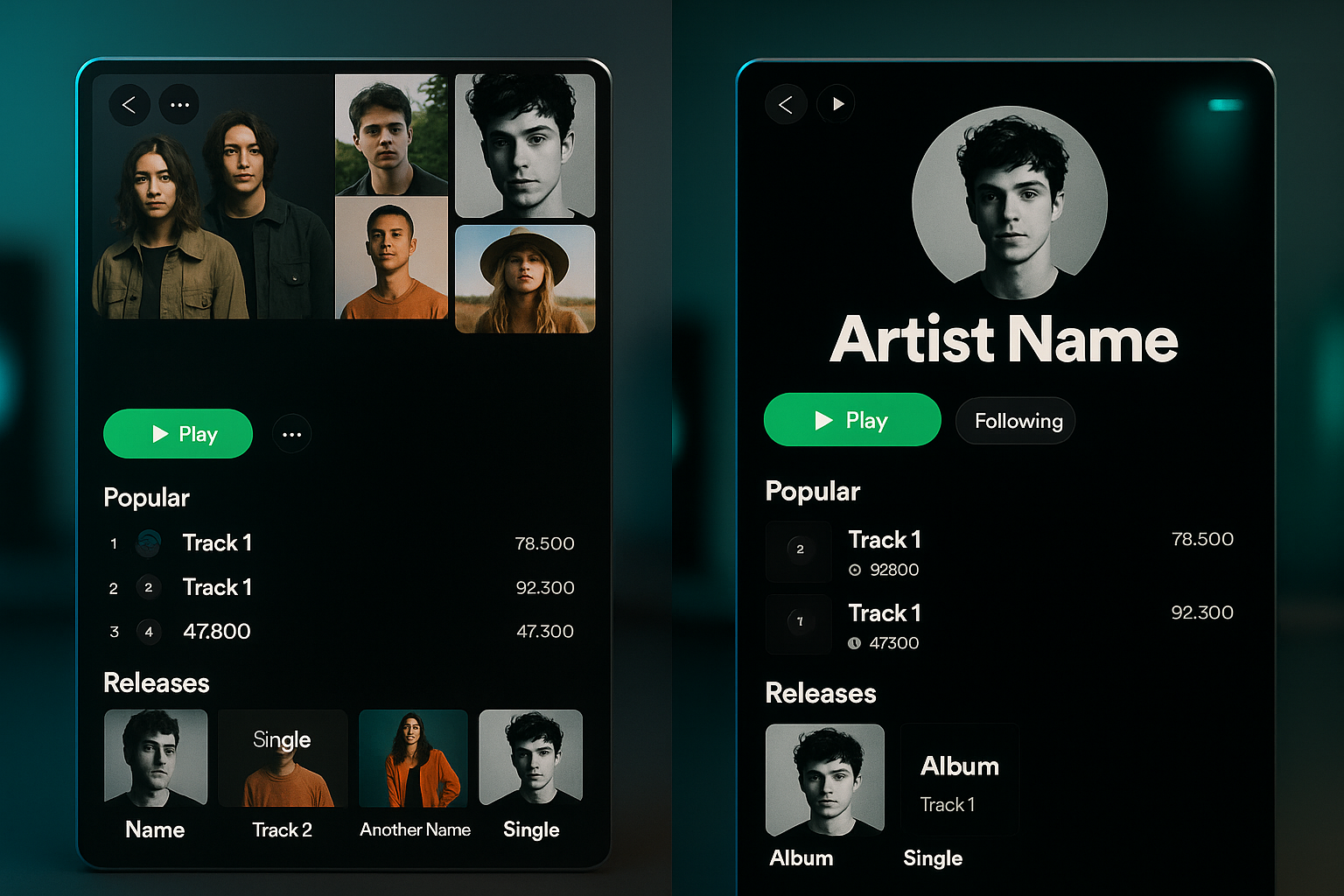
How primary artist tag errors and mismanaged feature credits confuse DSP algorithms, split your profile data, and hide your own catalogue from listeners.

Learn how to build cultural capital that outlasts the algorithm and creates a lasting artist legacy rooted in community, not virality.
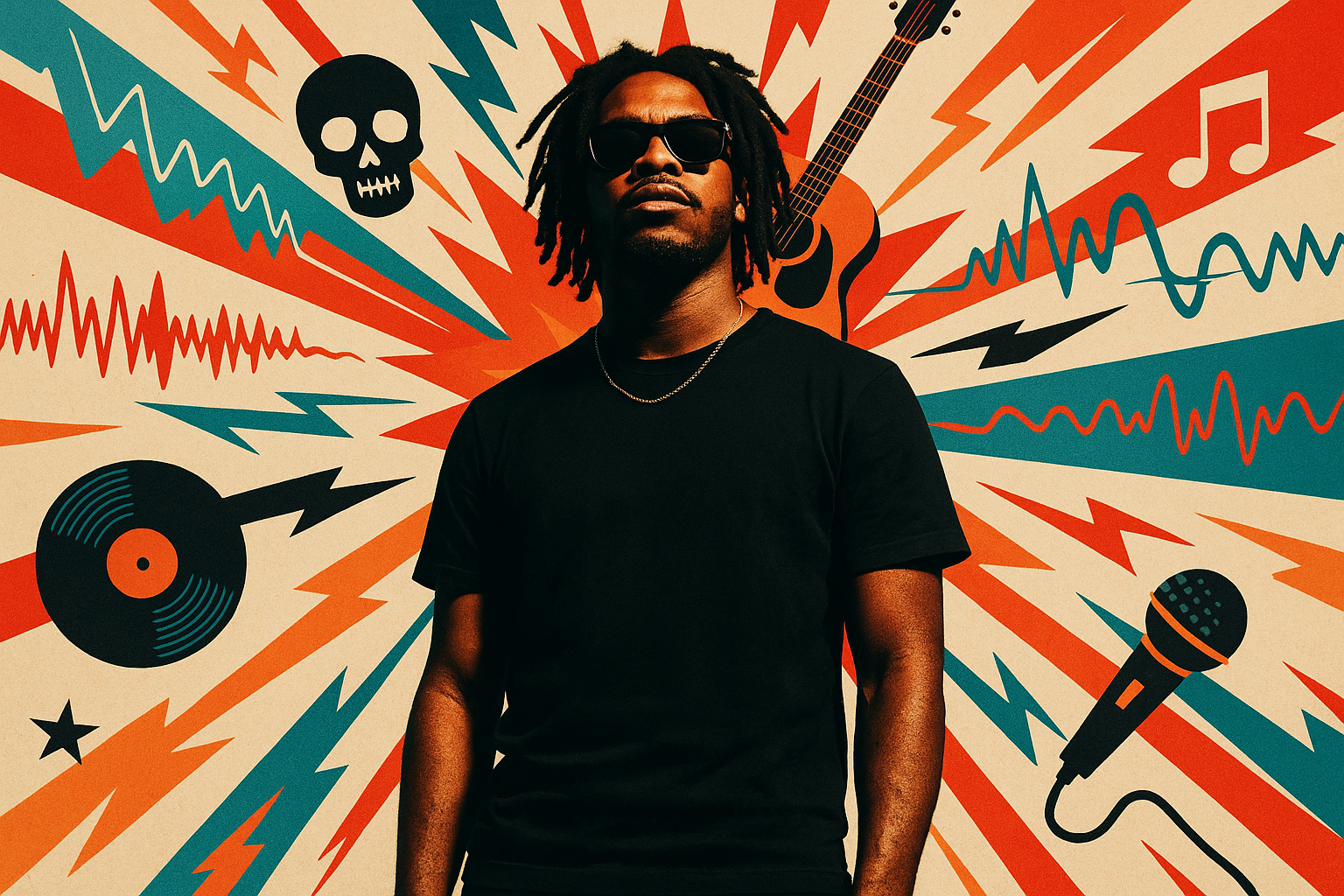
Learn how genre fluidity builds deeper fanbase loyalty and unlocks sustainable revenue beyond streaming metrics.
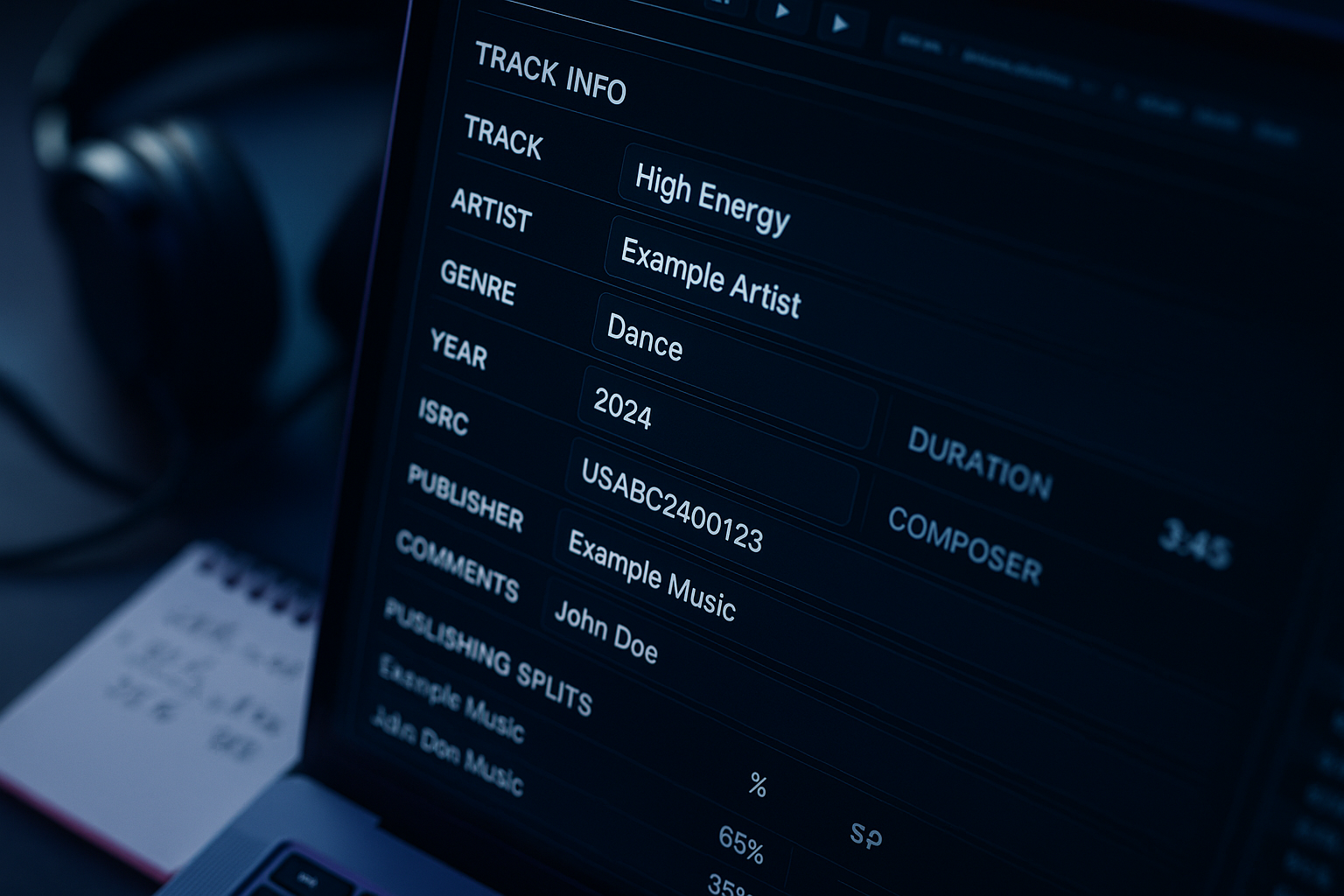
Learn how accurate metadata tagging influences DSP algorithms, playlist placement, and streaming income for independent artists.

Discover why fostering deep fan empathy leads to sustainable revenue for independent artists, beyond superficial engagement metrics.

Independent artists now control over 50% of streaming royalties. Here is what that means for your distribution deals, licensing leverage, and negotiating position.
Learn how daily, low-stakes content builds sustained audience growth and cultural capital while traditional release cycles fade fast.
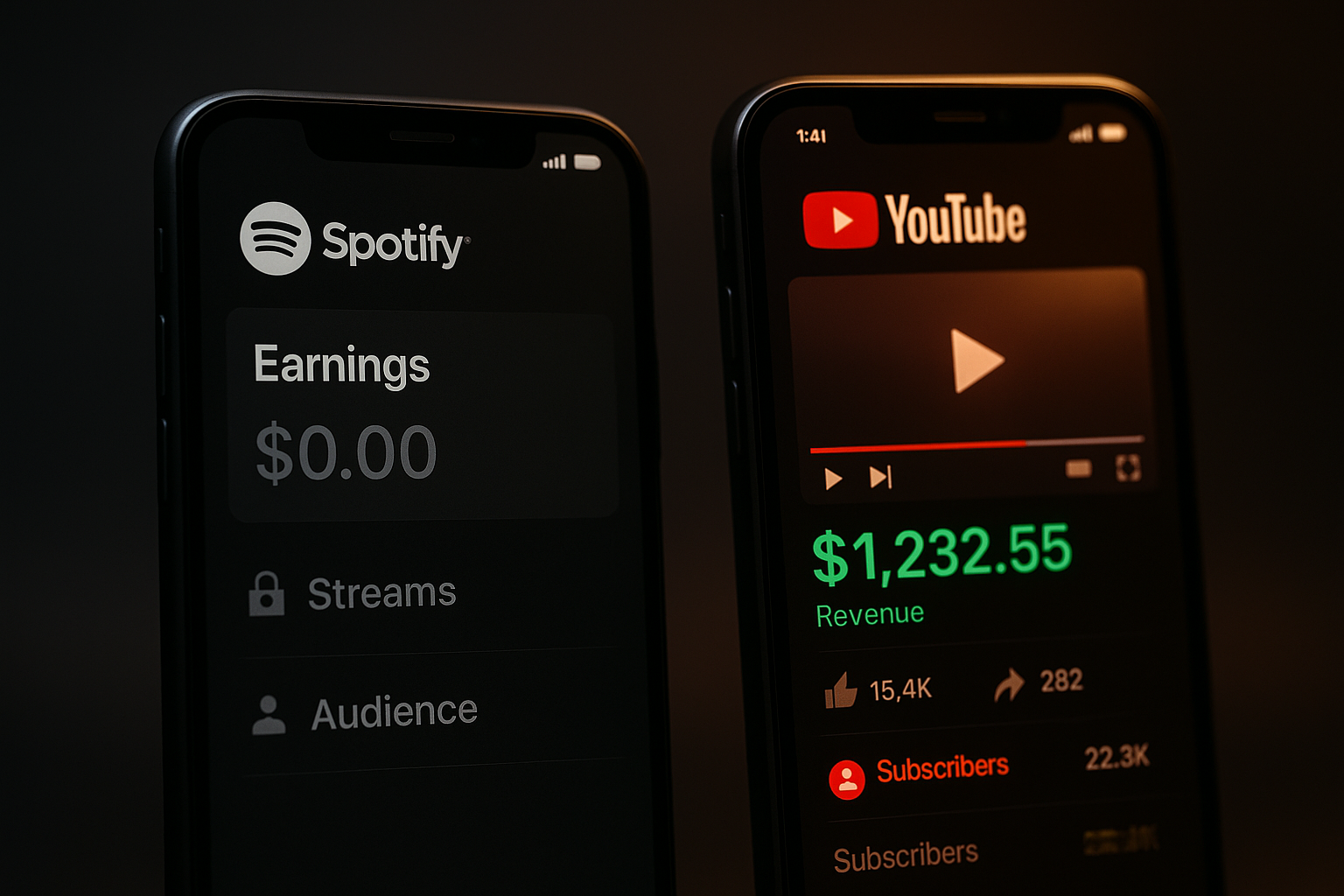
How redirecting your paid ad budget from Spotify to YouTube turns marketing spend into owned revenue, audience data, and ticket sales.
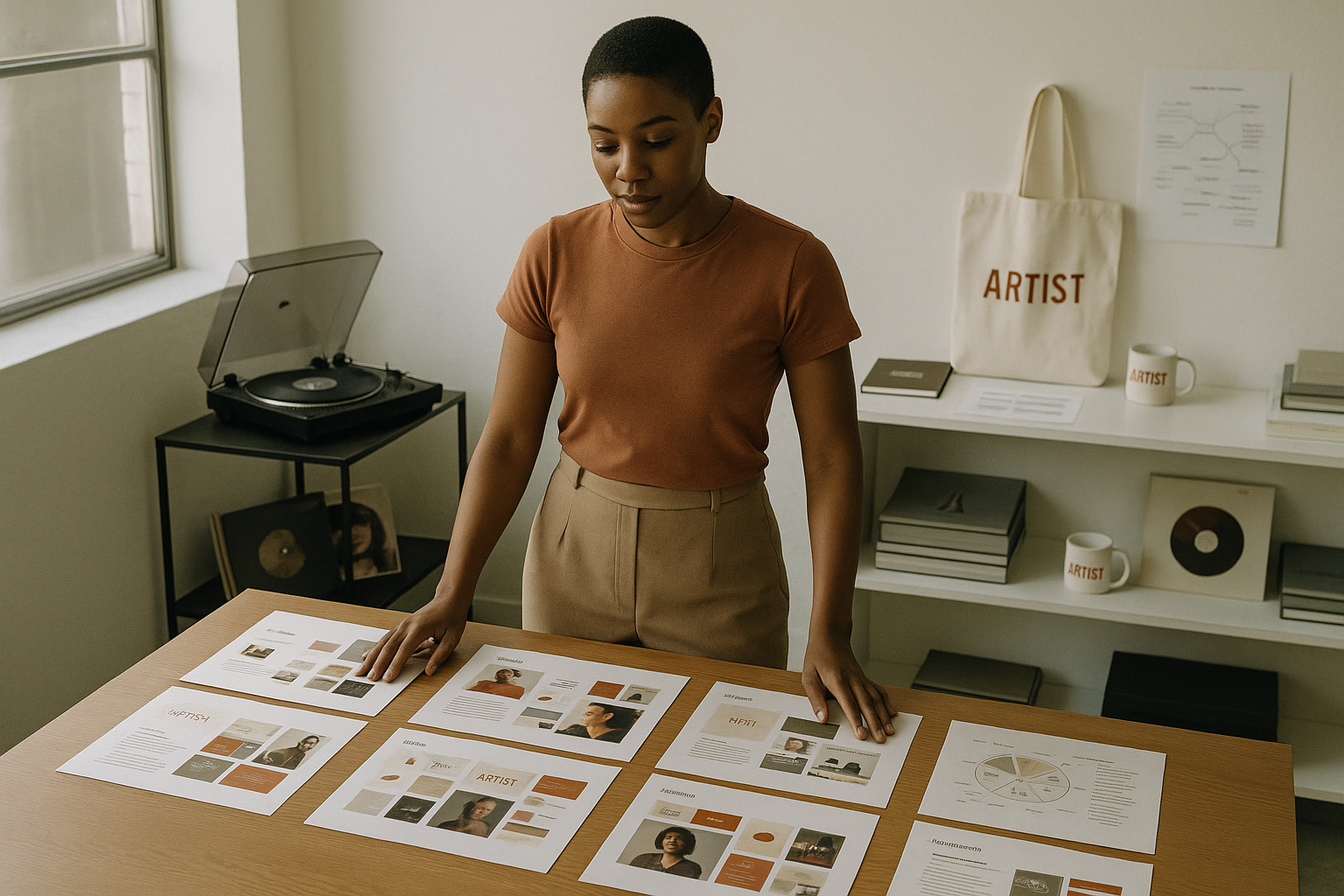
Learn how to build your visual identity, narrative structure, and archetypal positioning to connect with fans and grow your career.
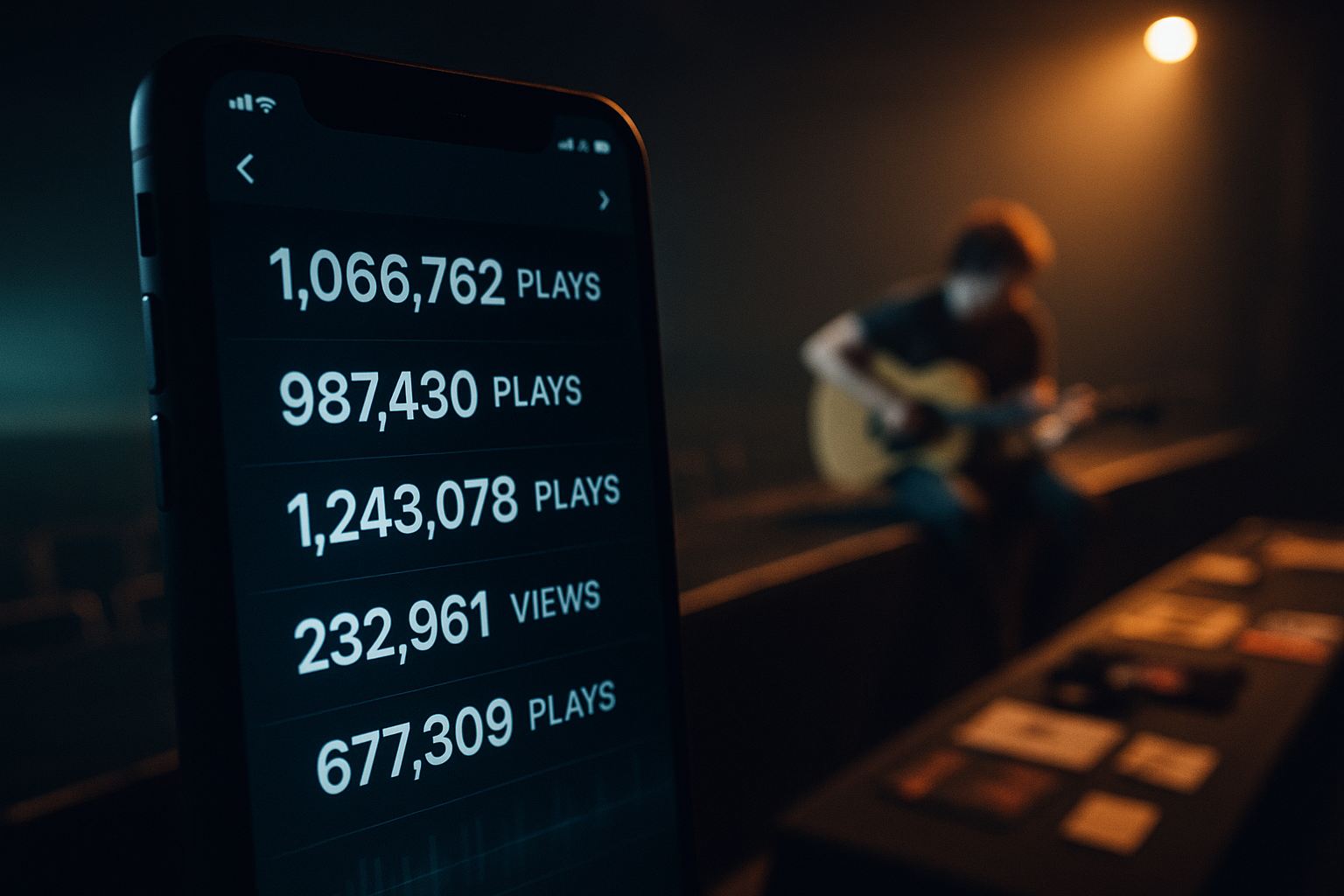
Why TikTok virality doesn't convert to fandom, and how independent artists can build sustainable income through direct fan monetisation instead.

How niche artists build higher per-fan revenue by cultivating superfan micro-communities instead of chasing mass reach.
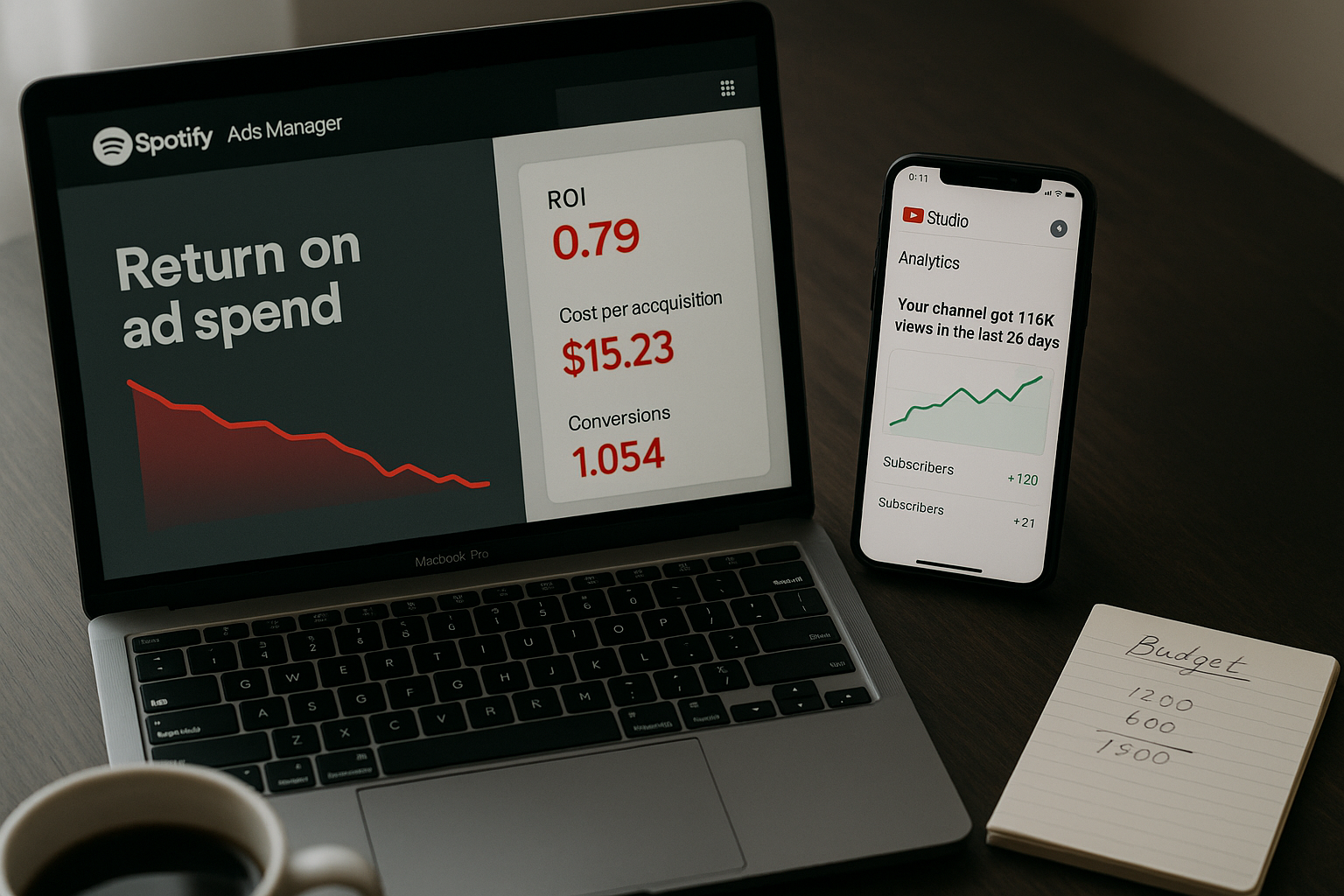
Learn why Spotify ad spend builds the platform's retention while YouTube ad budget builds your subscriber base, retargeting pixel, and ticket buyers.
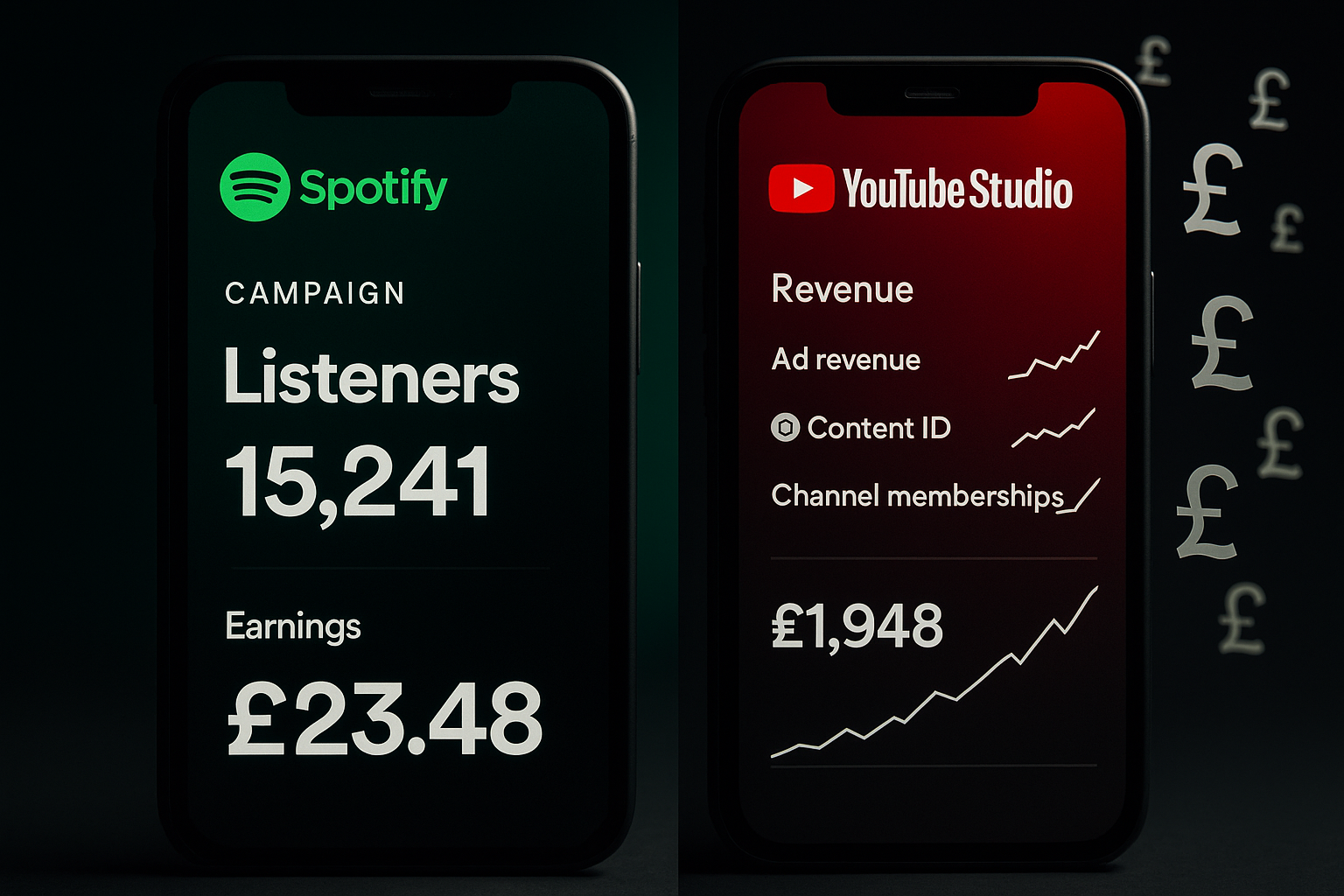
Why YouTube ads earn you money back while Spotify ads drain your budget, and how to restructure your spend accordingly.
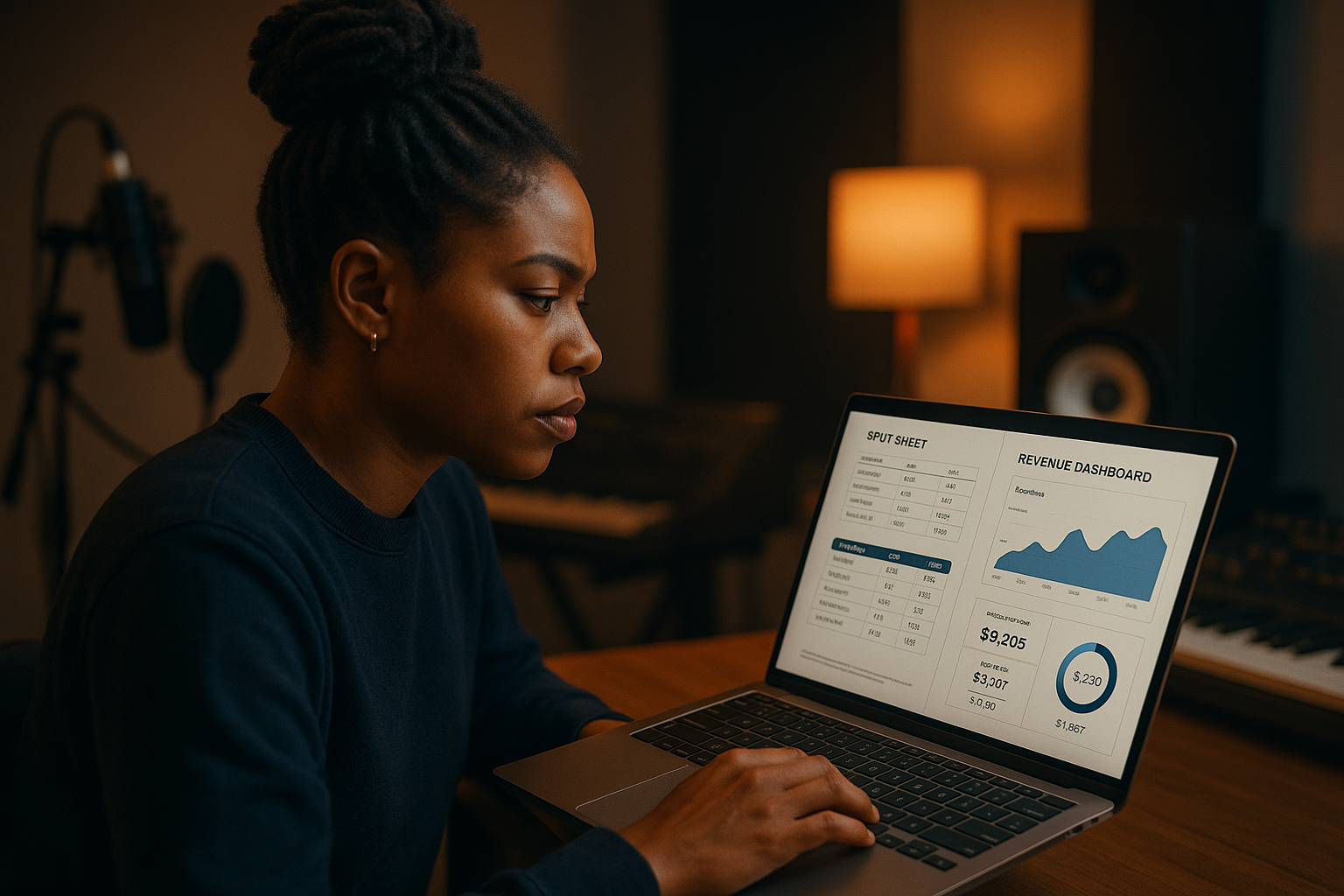
How to build direct superfan revenue before the majors control the infrastructure, and why you have 12 months to act.
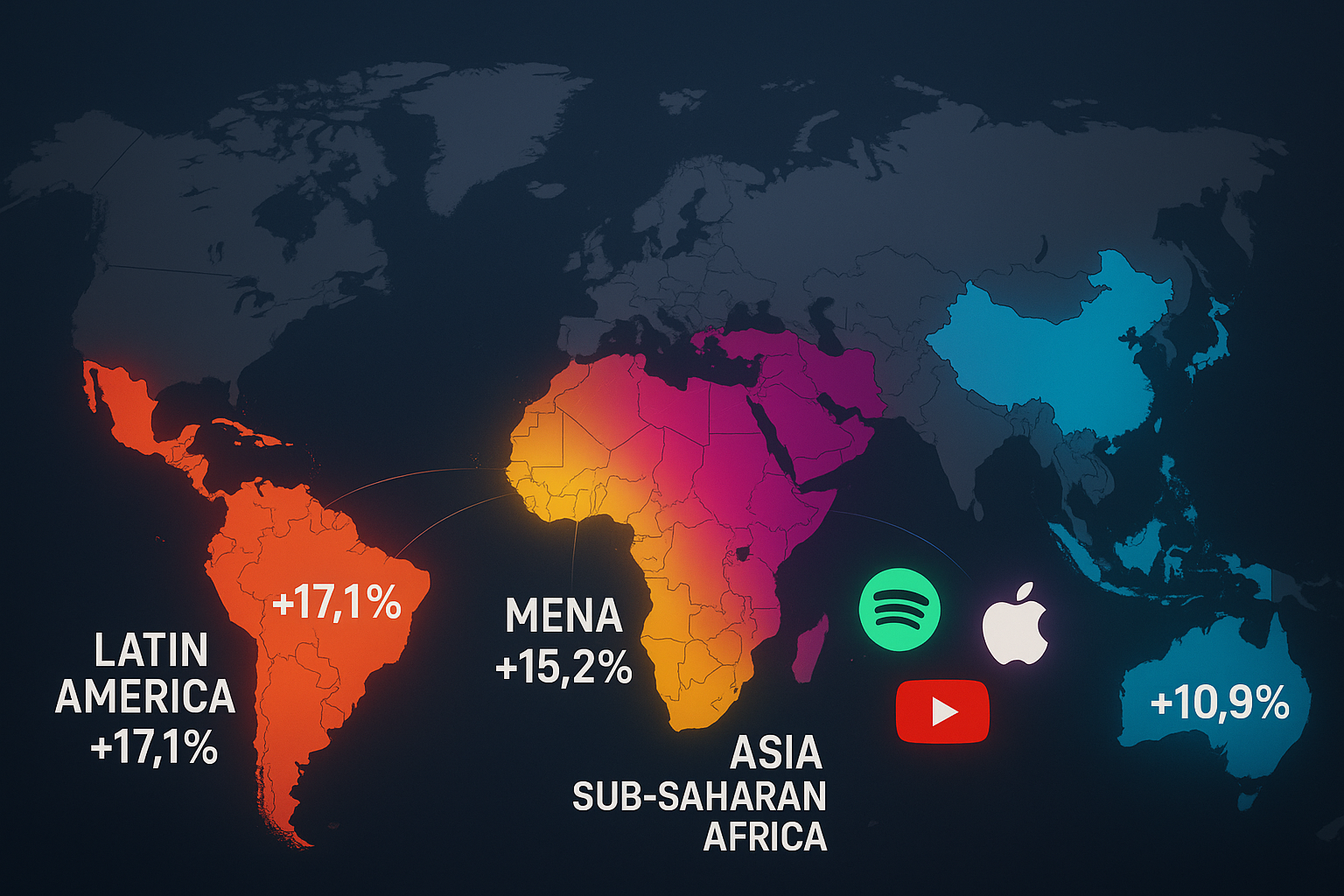
How independent artists can identify and enter the four fastest-growing music markets before major labels dominate the space.

Why chasing viral moments kills long-term income, and how building cultural capital creates sustainable revenue for independent artists.
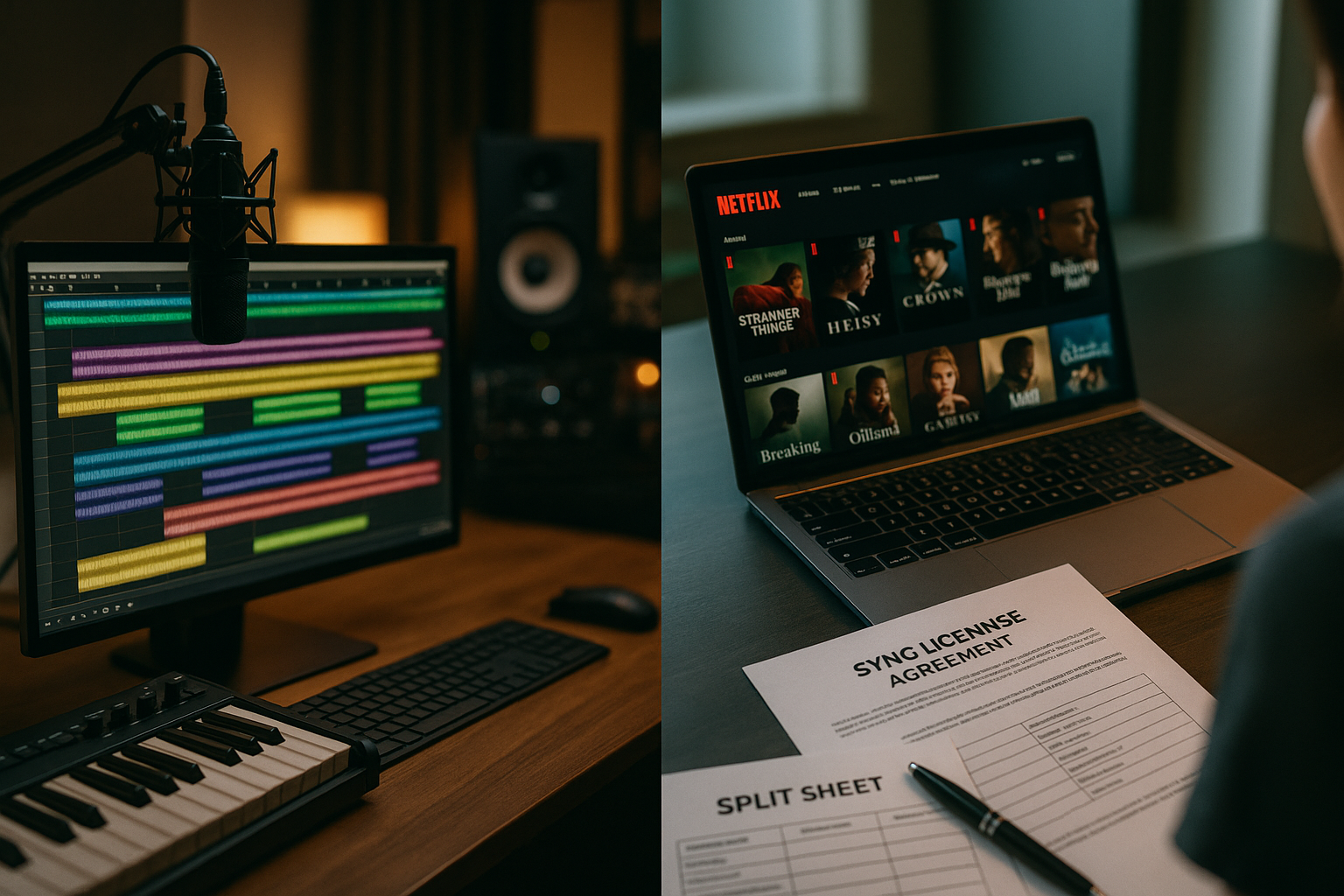
Learn how to prep your catalogue for sync placements that pay more than 18 months of streaming revenue.

UMG is building infrastructure to monetise your superfans. This is what independent artists need to do before that window closes.
How owning your masters and publishing together makes you faster to license than major-label artists — and why sync supervisors are choosing independent catalogues in 2026.

TIDAL cut royalties for AI tracks. Symphonic launched transparent tracking. One protects platforms, one gives artists leverage. Here's what changed.

How independent artists who own their masters and publishing can close sync deals in hours while major label artists wait weeks.

What the Spotify–UMG fan remix deal reveals about master ownership — and why indie artists with clean catalogue are sitting on negotiable platform leverage right now.
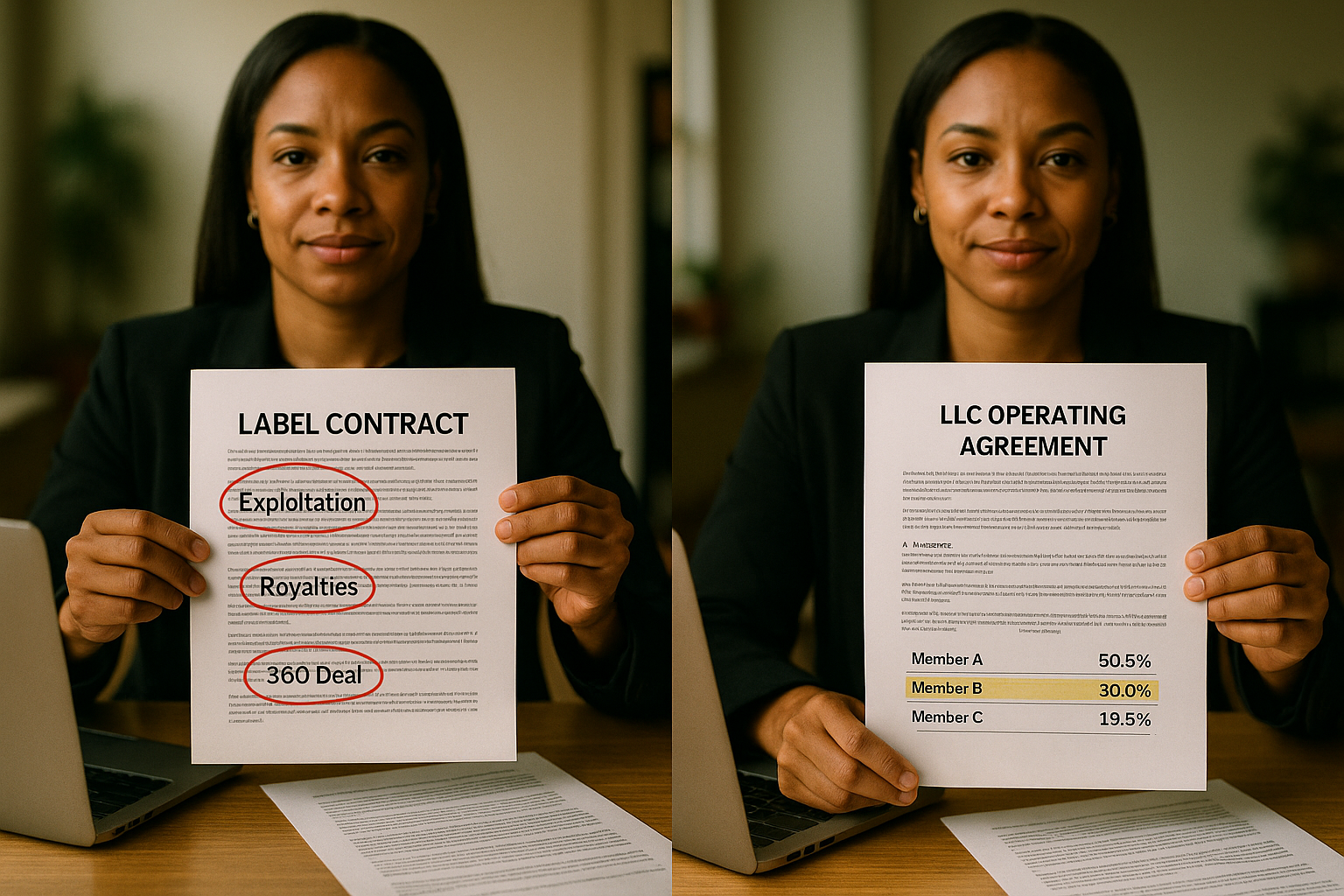
Why the equity advocate role protects your career, structures fair deals, and builds your team without requiring industry credentials.
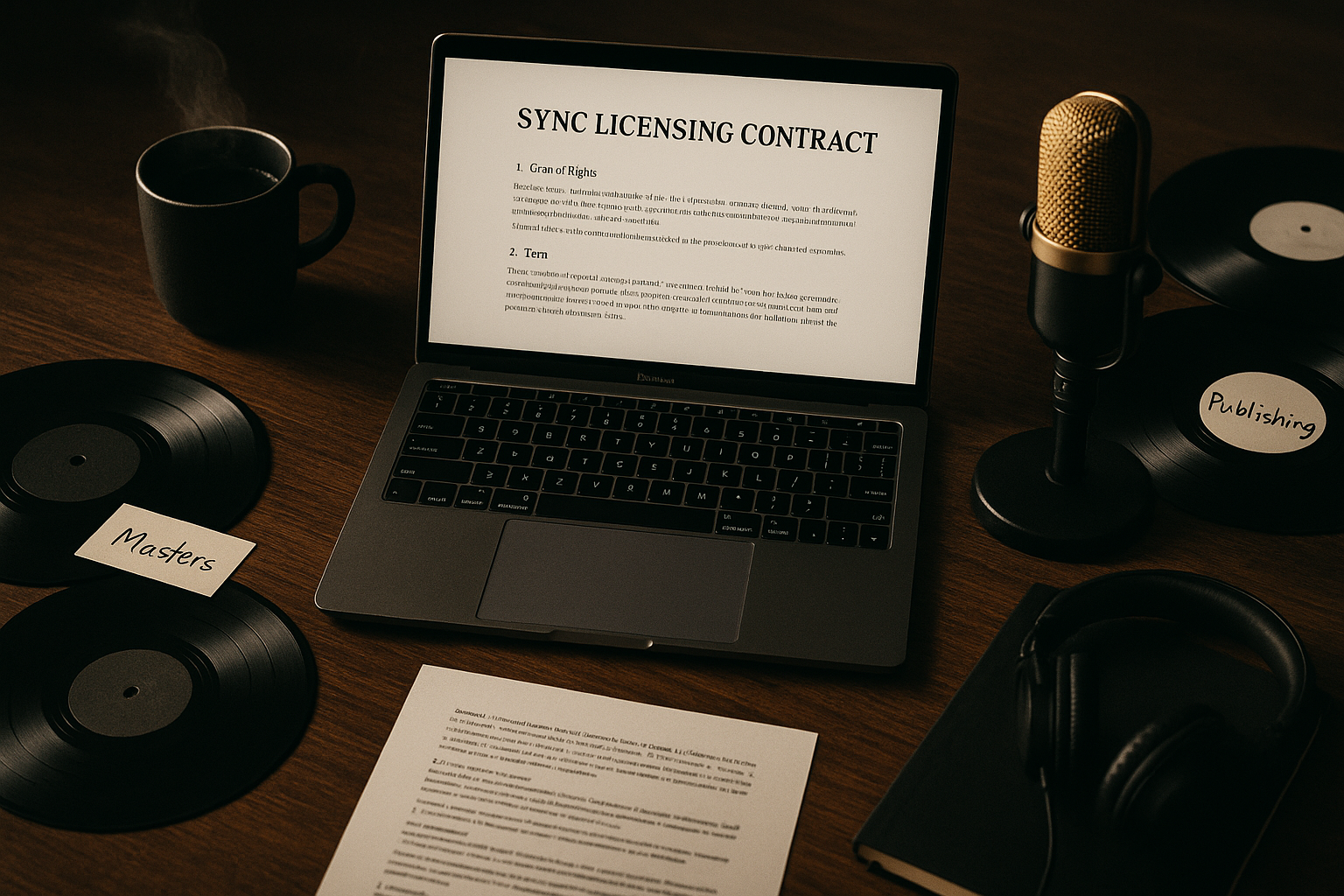
Independent artists who own their masters can clear sync deals in 24 hours while major labels take six weeks.
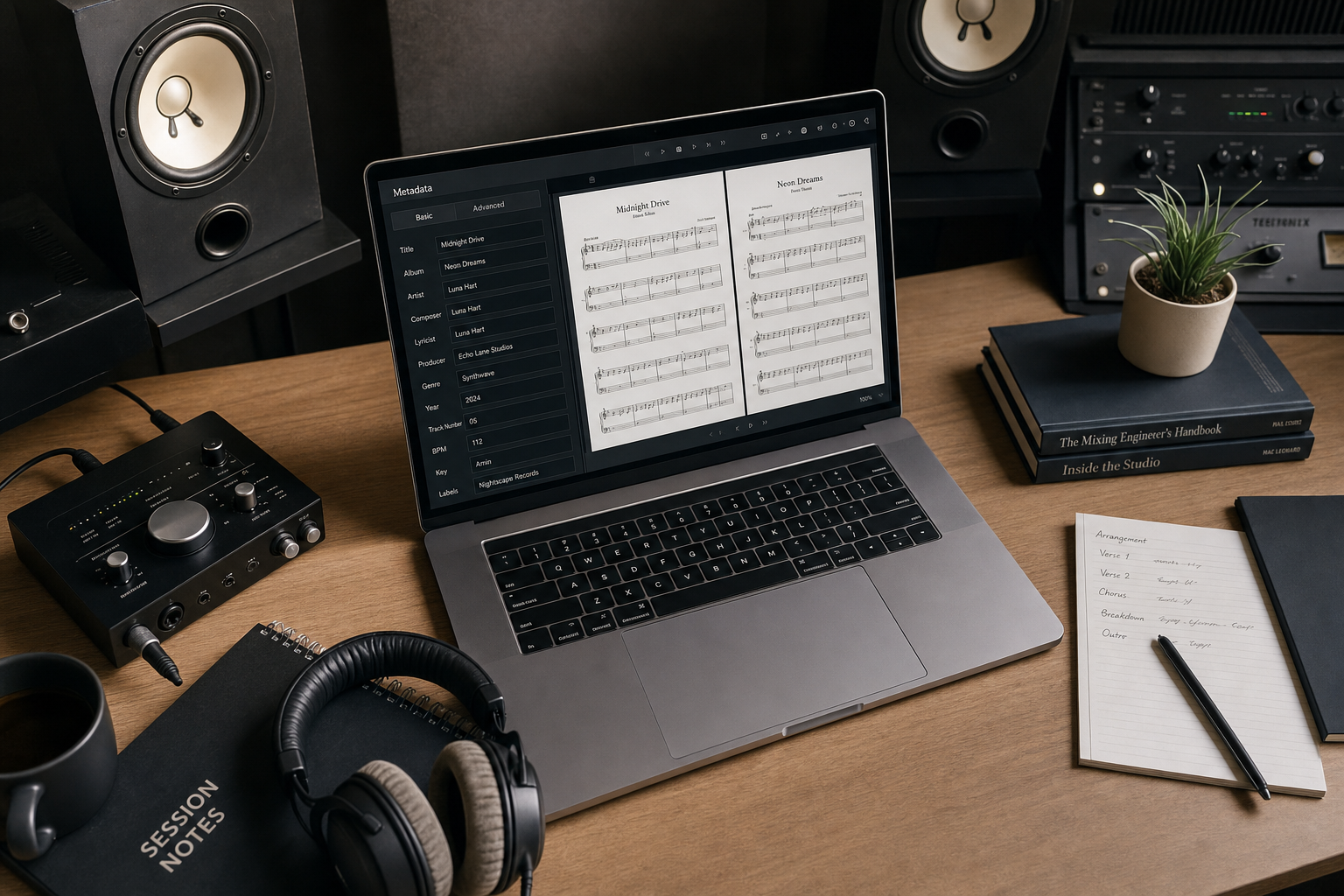
Why music supervisors now avoid direct artist contact, and the four admin steps that make you sync-ready before the opportunity arrives.
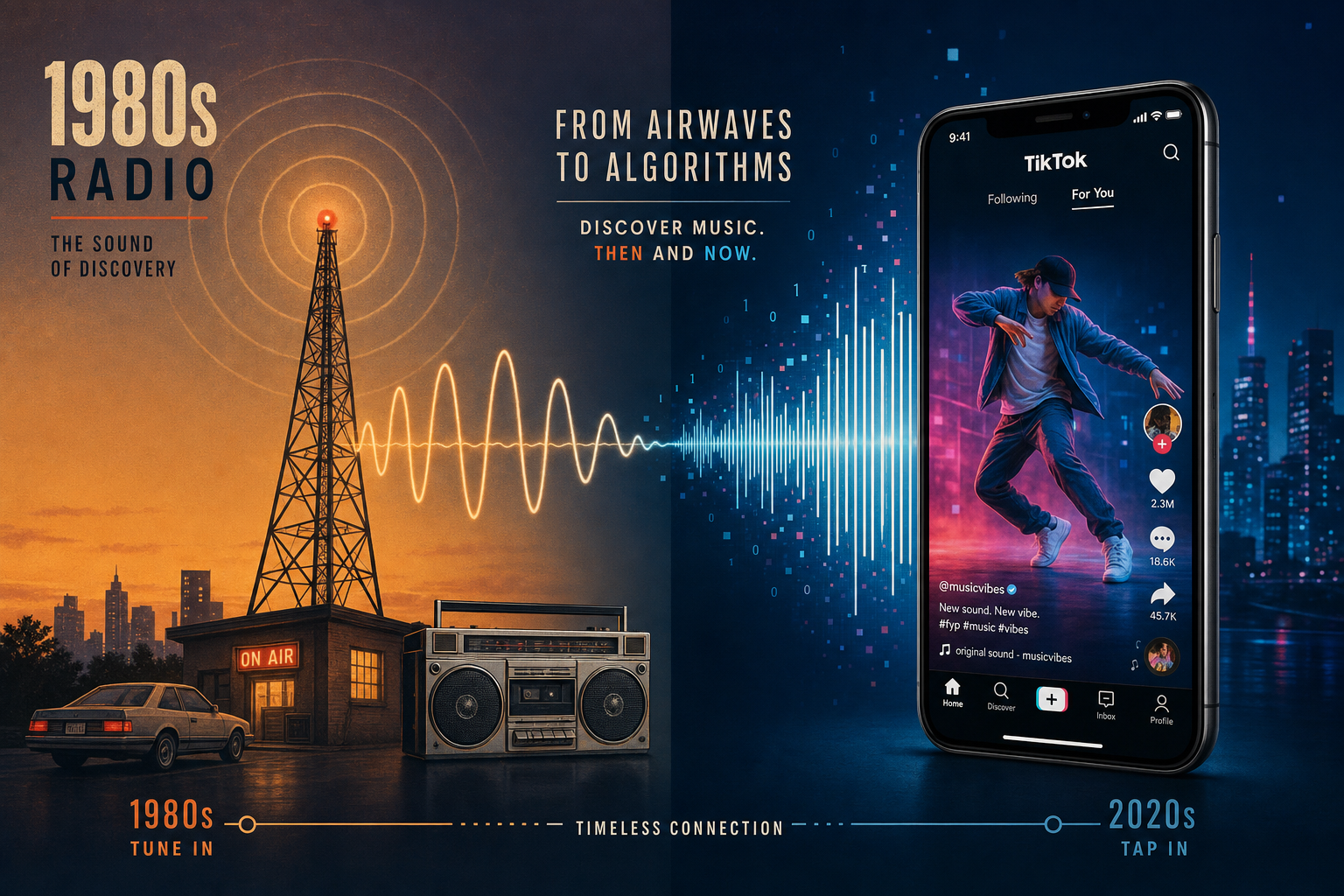
TikTok now drives more discovery than radio ever did. Here's how to turn content into streams without burning out.
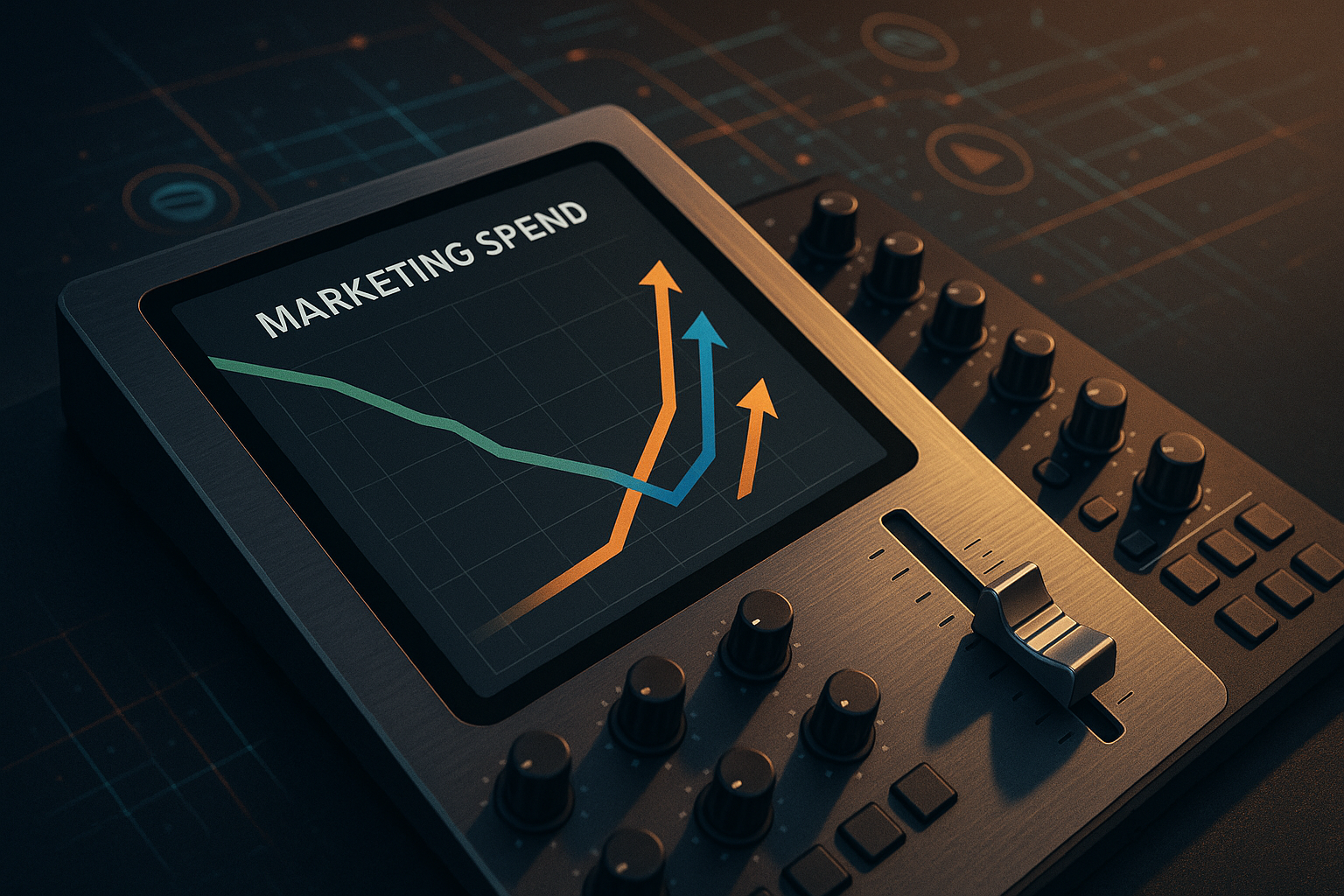
C3 Management's COO says move your ad spend from Spotify to YouTube. Here's why top managers prioritise monetisation and owned audiences over streams.
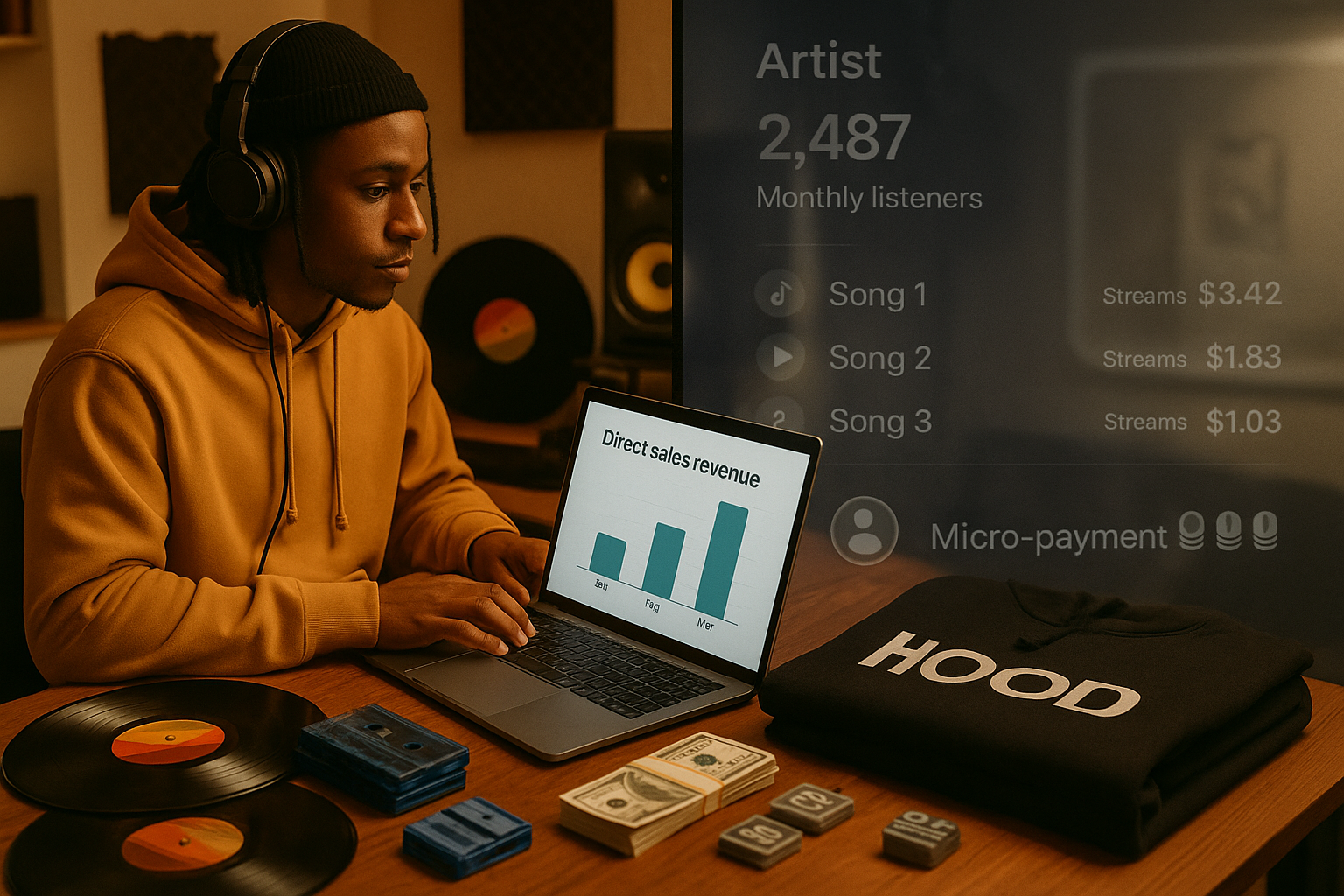
Learn why direct-to-fan sales now deliver 10-50x better ROI than streaming. A practical guide to building recurring revenue through owned channels.

Learn how Spotify's fraud crackdown and new 1,000-stream minimum are quietly blocking independent artists from legitimate royalty payouts, and how to protect your income.

In March 2026, Lorde ended her 17-year relationship with Universal Music Group. She did not retire. She did not pause. She continued as an independent artist. The difference is this: without UMG's infrastructure behind her, every operational function UMG once managed invisibly now lands on her team.
How to turn your catalogue into a perpetual sync income engine by treating backend royalties like the long-term revenue system they actually are.
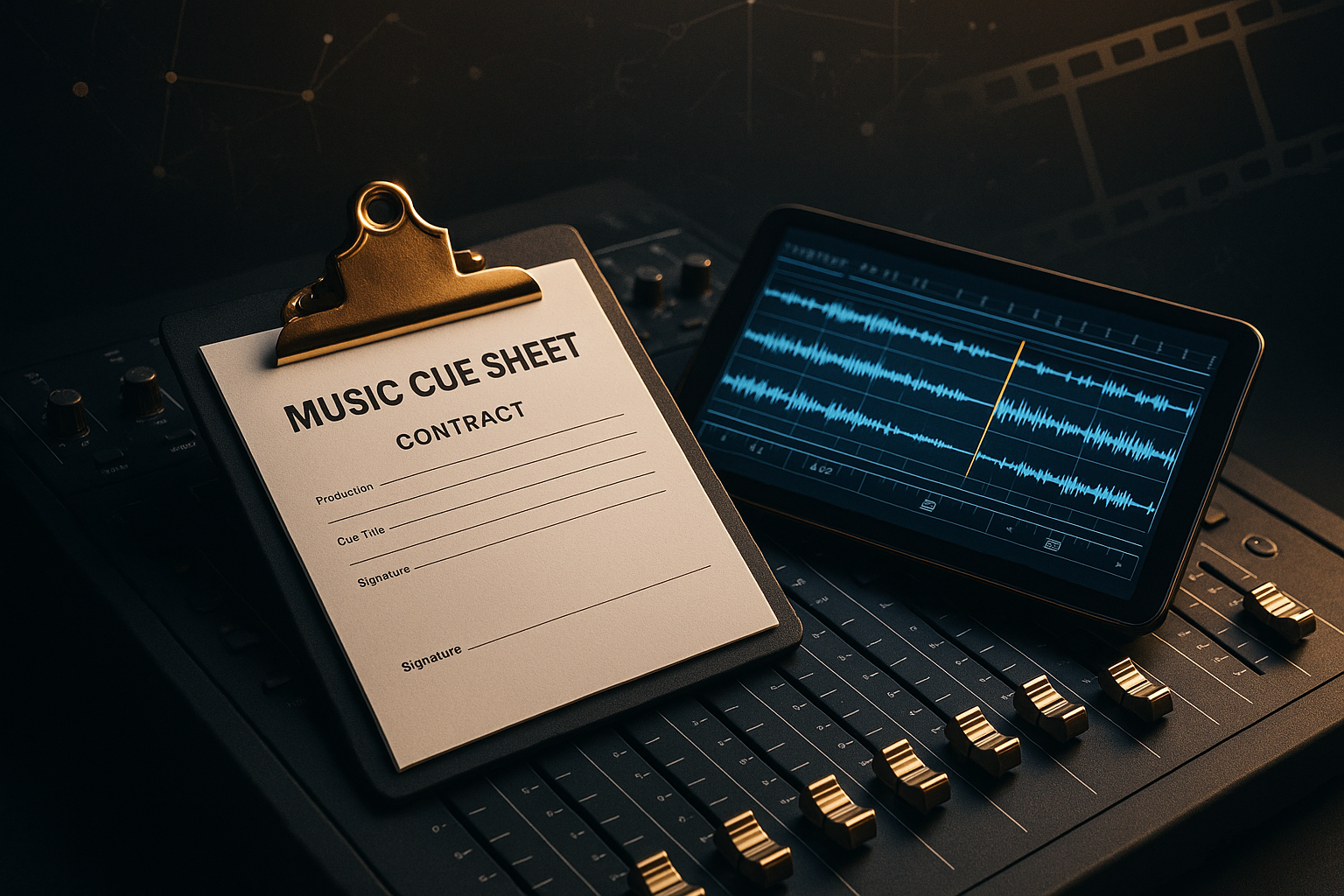
Sync supervisors are choosing independent artists because they can clear licences in 48 hours instead of six weeks.

Walk-up fees feel like validation. They are not. They are an advance on your future worth, paid out early to keep the room full.
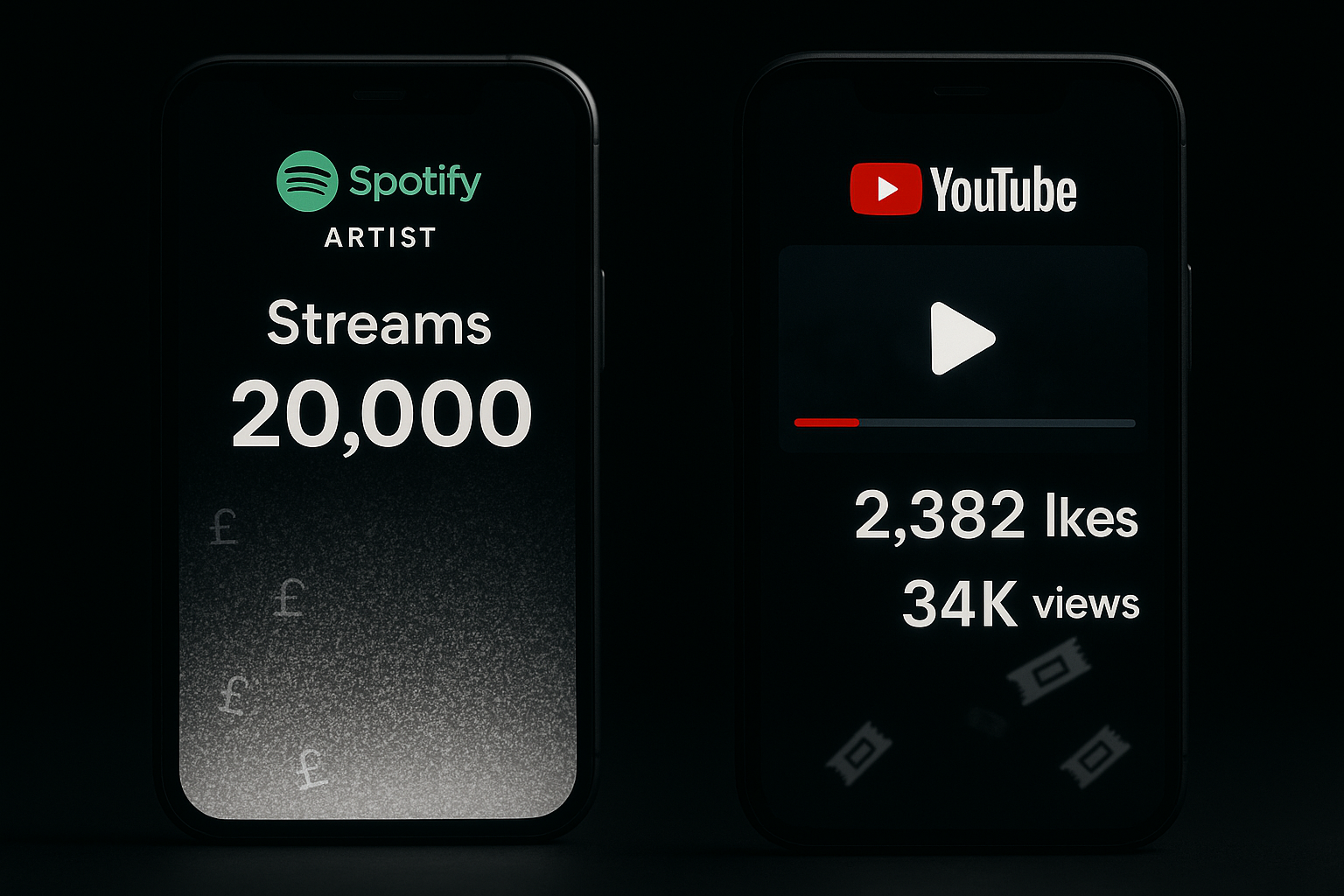
Spotify ads drain budgets without building assets. YouTube ads convert watch-time into ticket buyers. Here's how to reallocate your promotional spend correctly.
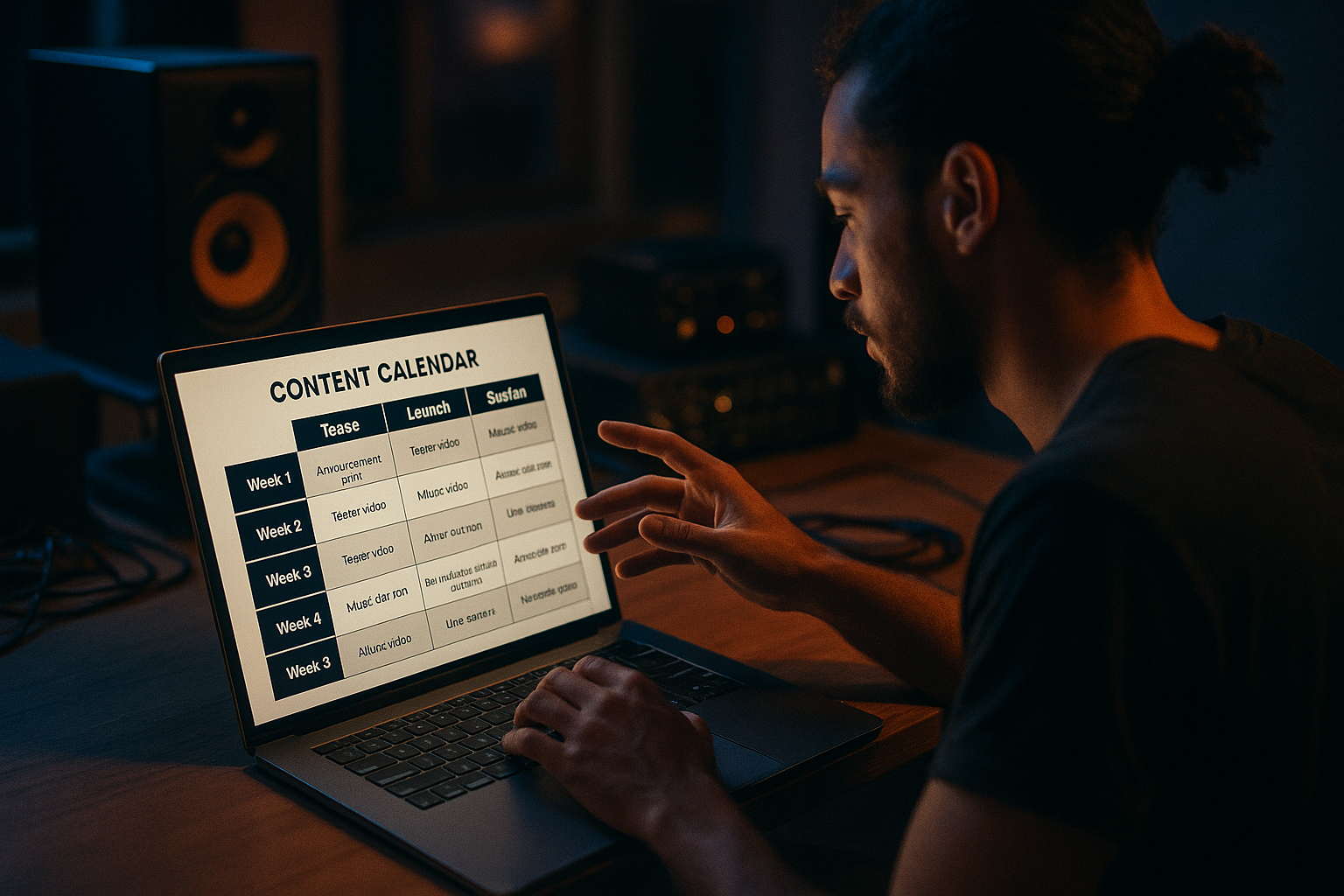
Learn how to build a three-phase content rollout and schedule without goals, so you stay visible long after your release drops.

Why slowing your release schedule, building a signature project, and using 360 deals for tour support beats chasing monthly stream volume.
UK recorded music revenue rose 5% in 2025, but per-stream rates fell as catalogue volume surged - here's how to diversify your income.

Kevin Kelly's 1,000 True Fans theory turns 18 this year, and new data shows the real number is $52 per fan, not $100.
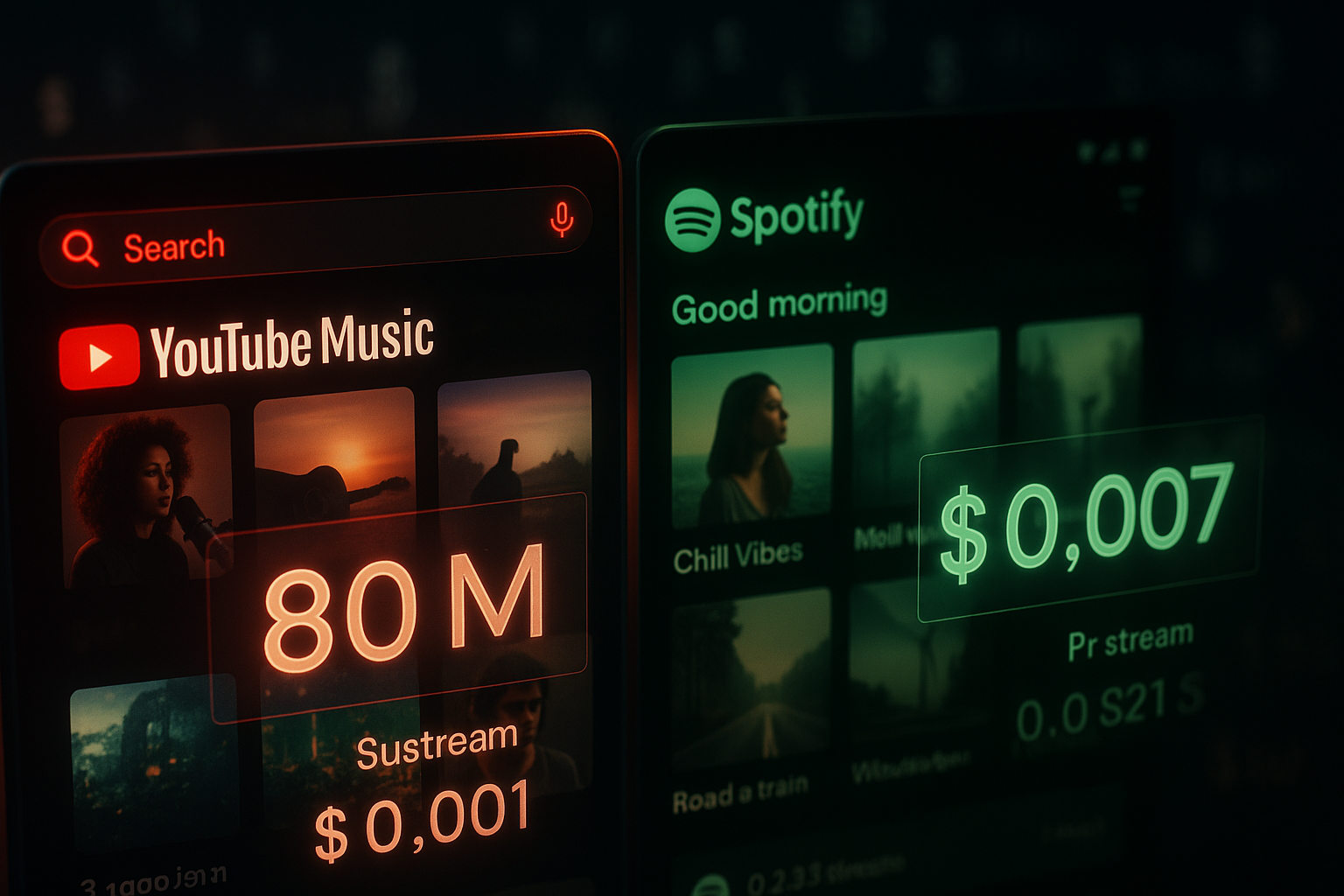
YouTube Music is about to overtake Apple as the #2 streaming platform, and independent artists need different strategies for each.
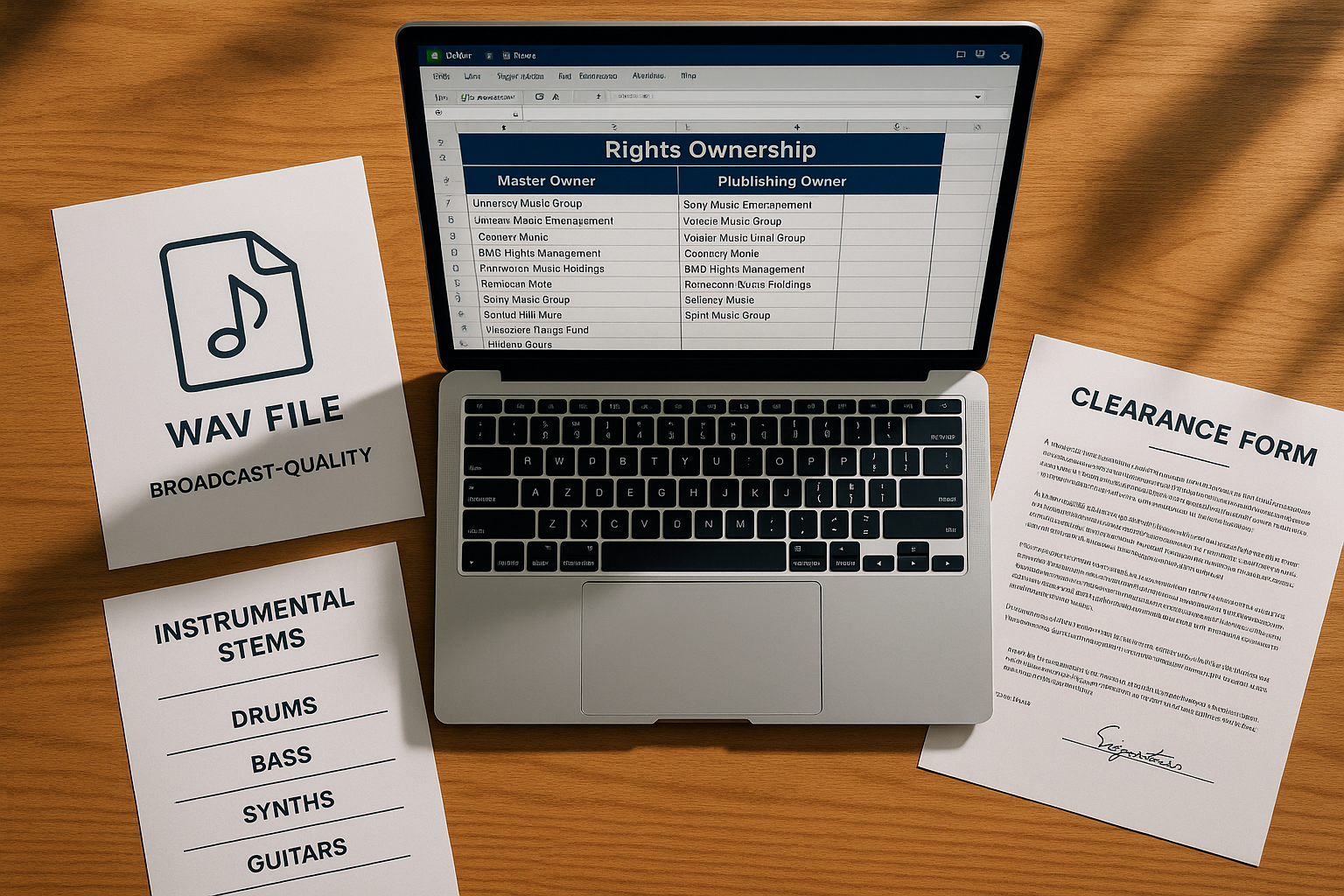
Music supervisors now choose independent artists for sync placements because they control both master and publishing rights, cutting clearance time from weeks to hours.
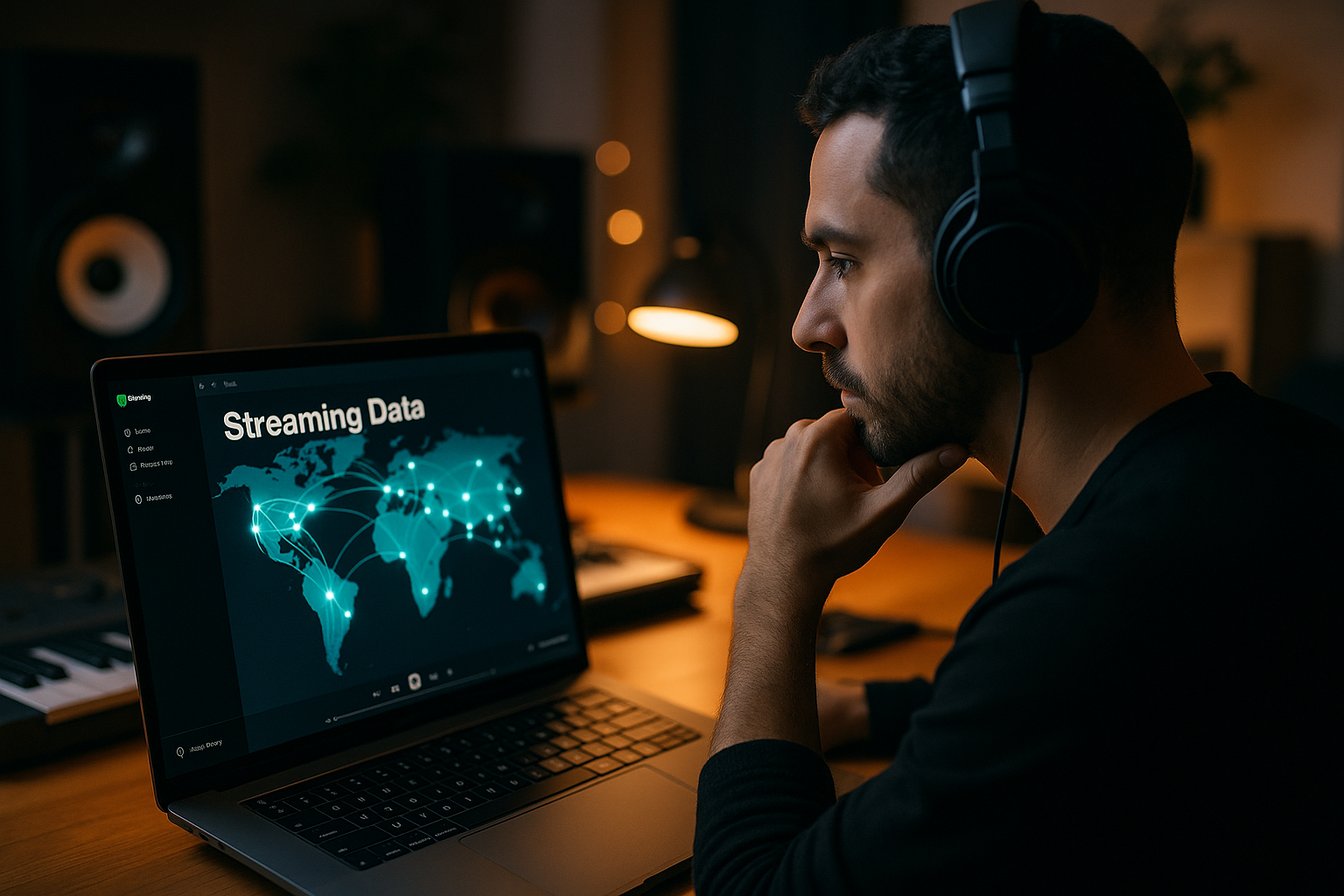
Half of your Spotify royalties are already coming from overseas markets you have never marketed in. Here is how to act on that signal.
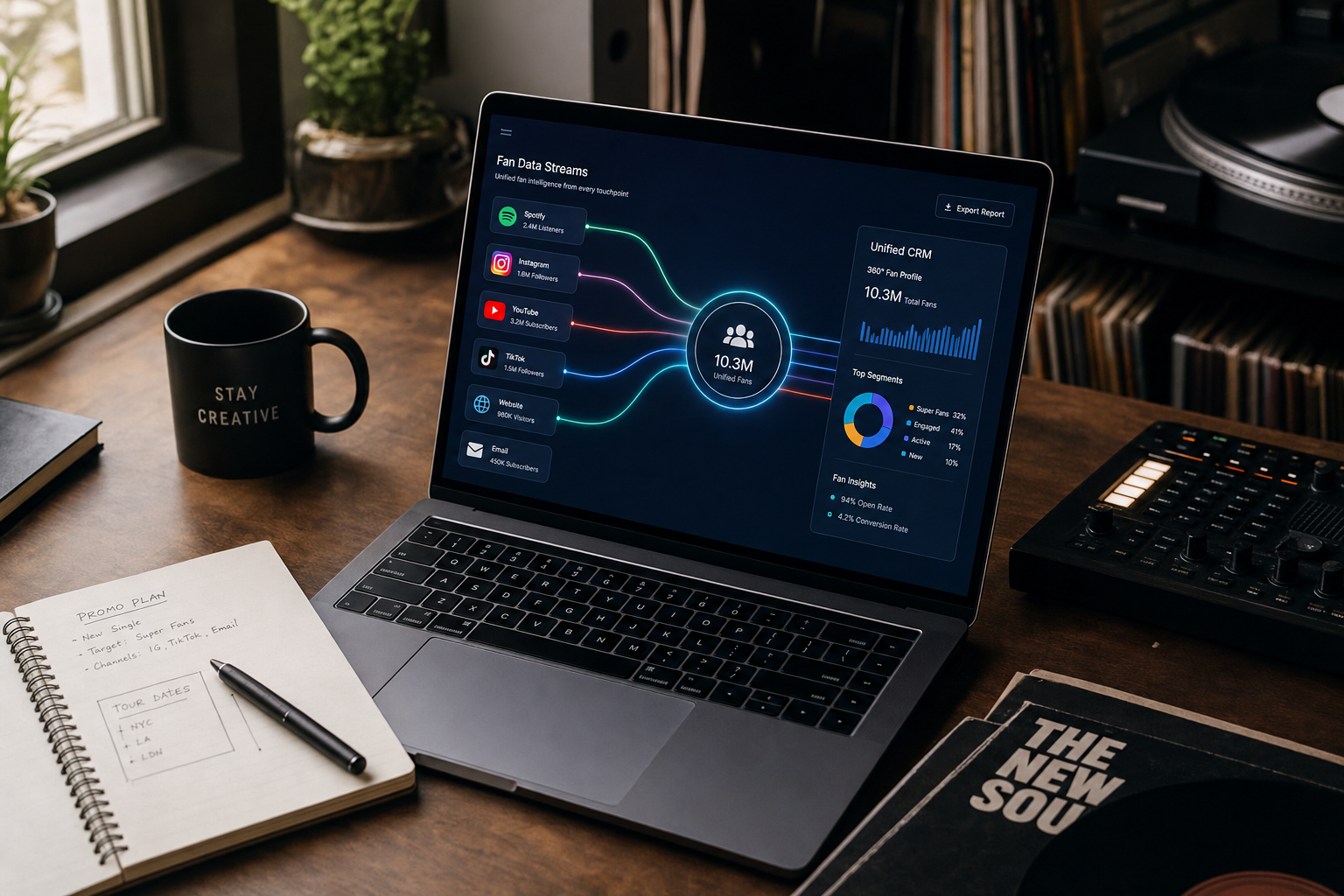
At the heart of the entire business of music is the artist's relationship with their fanbase. Discover why the Music Managers Forum's new guide argues that managers must prioritize capturing and controlling their own fan data.
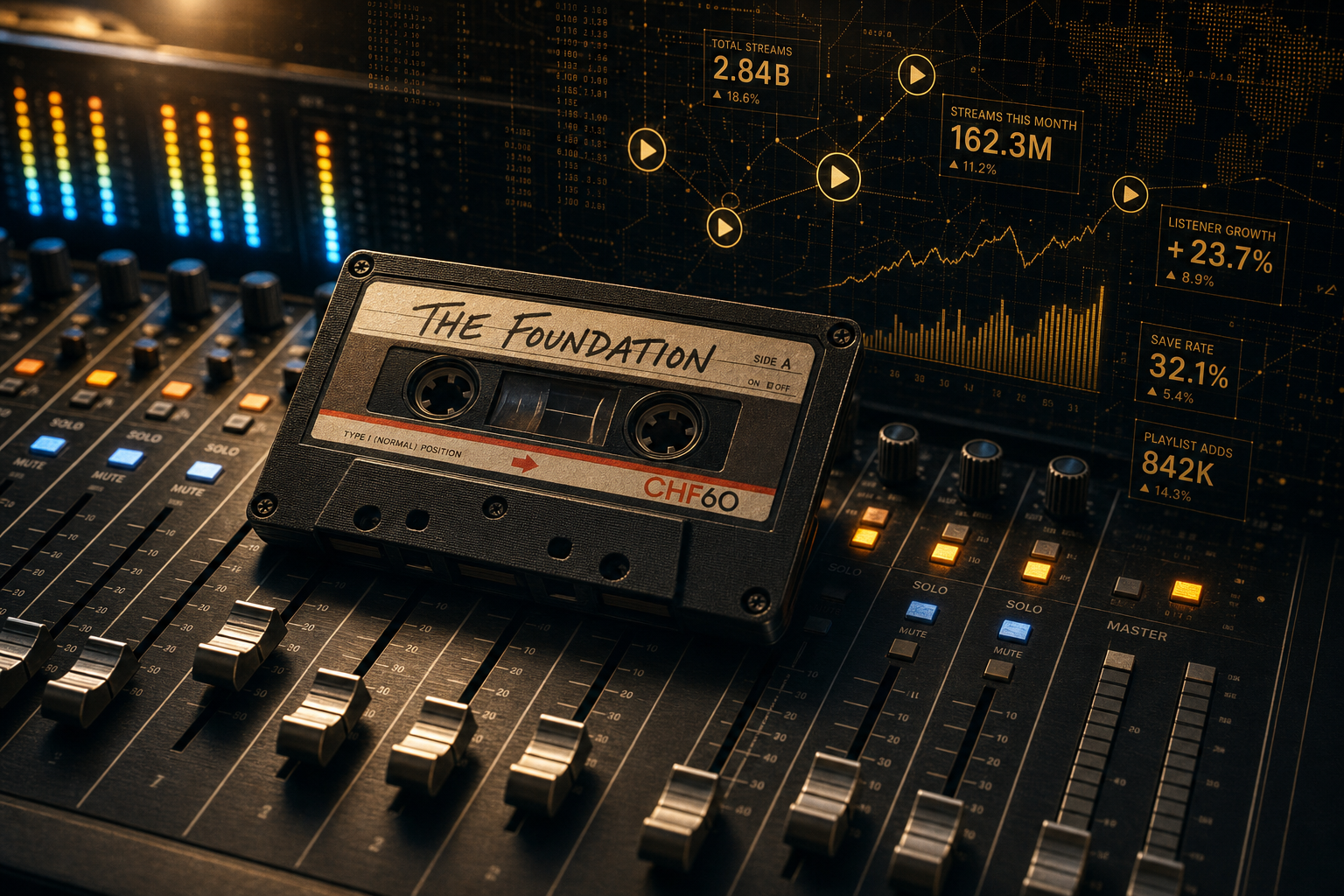
Gen Z are streaming music from the 1990s and 2000s more than ever, and your catalogue strategy needs to catch up.

The sunset clause determines what your former manager can collect after you part ways, and most artists never see it coming.
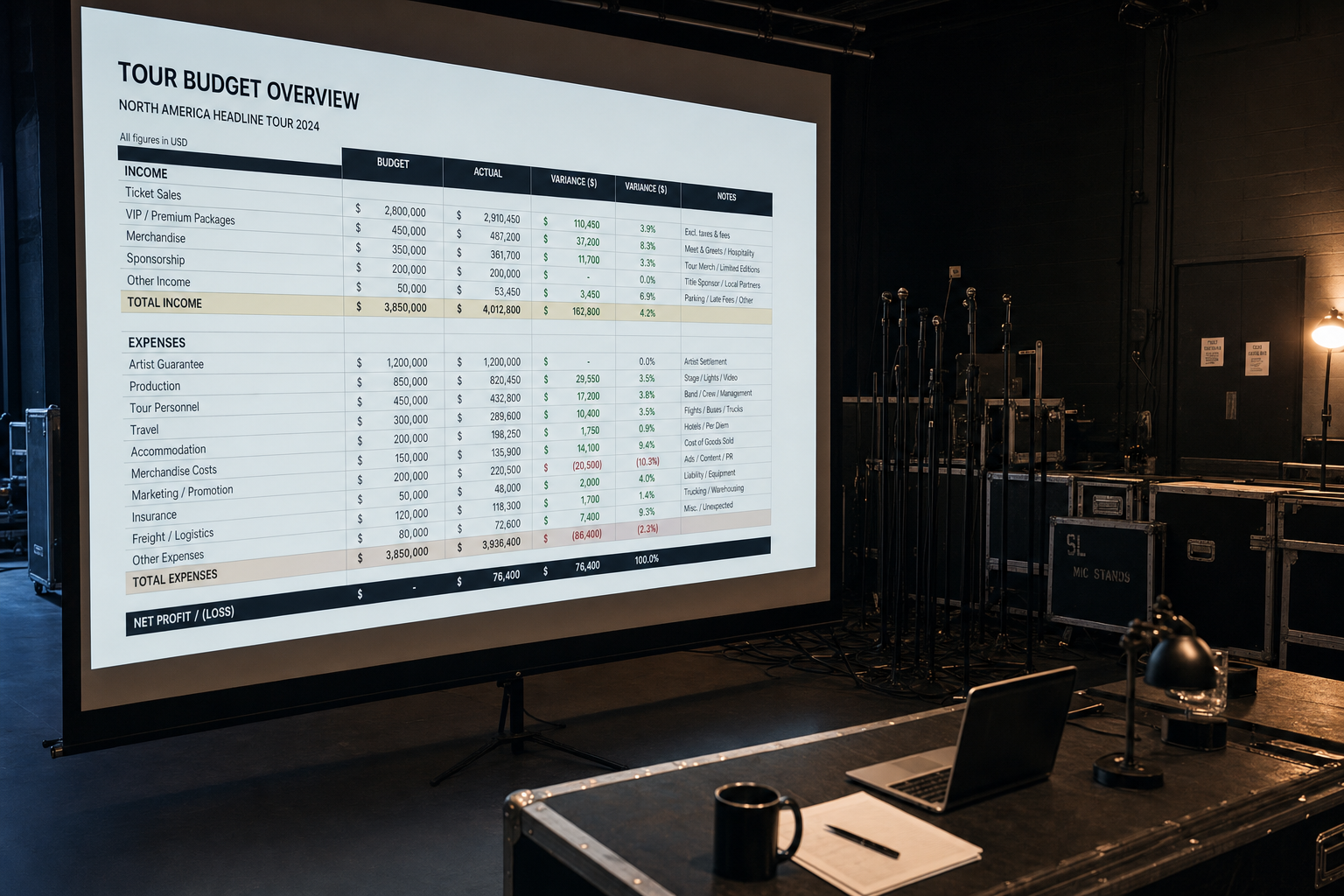
Learn how to build a tour P&L, calculate your break-even date, and stop booking shows that lose you money.
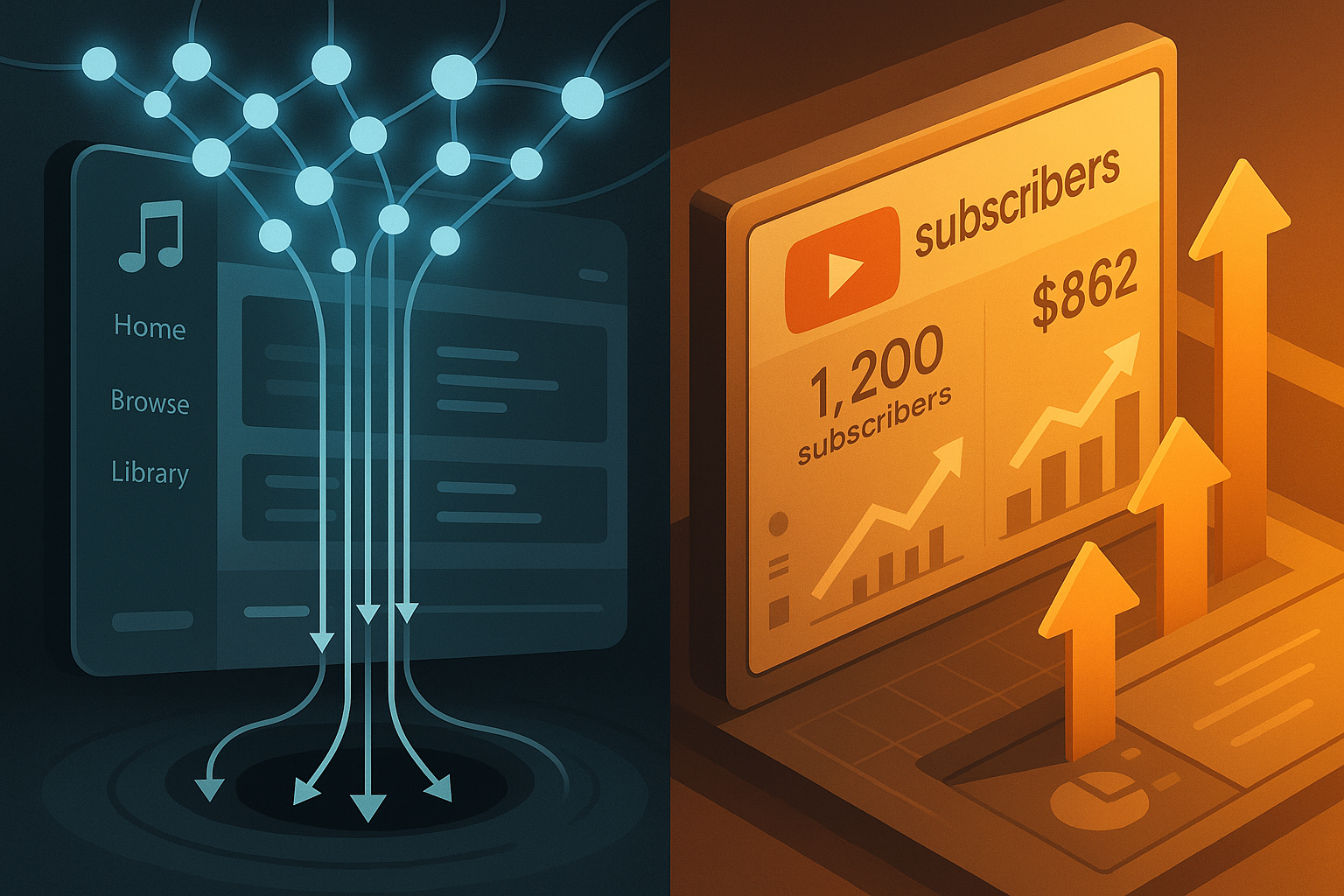
Discovery Mode cuts your royalties by 30%. YouTube ads build an asset you own. Here's why managers are shifting budgets and how to do it yourself.
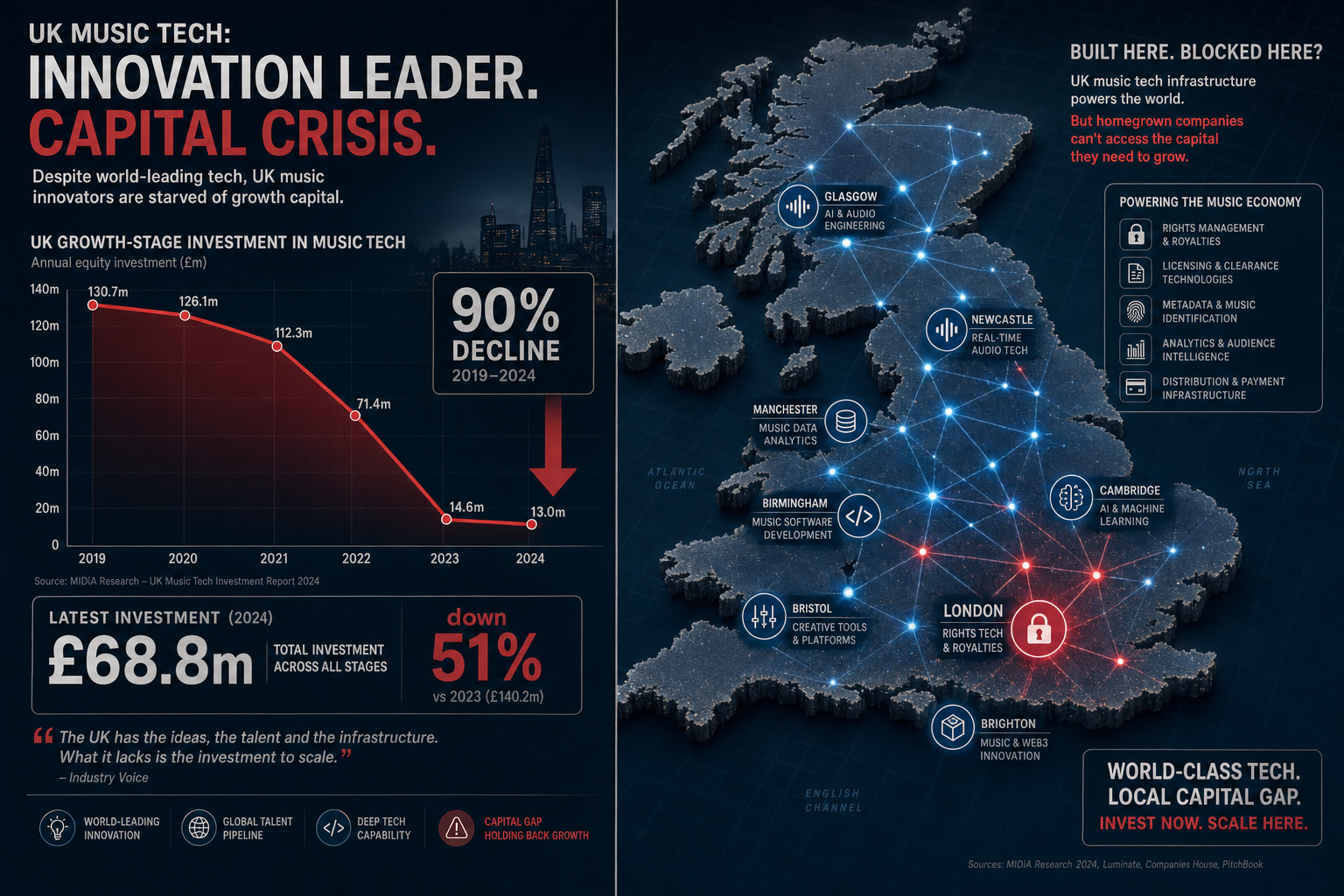
UK music tech investment fell 51% in five years. Growth capital dried up. Here's what needs to happen now.
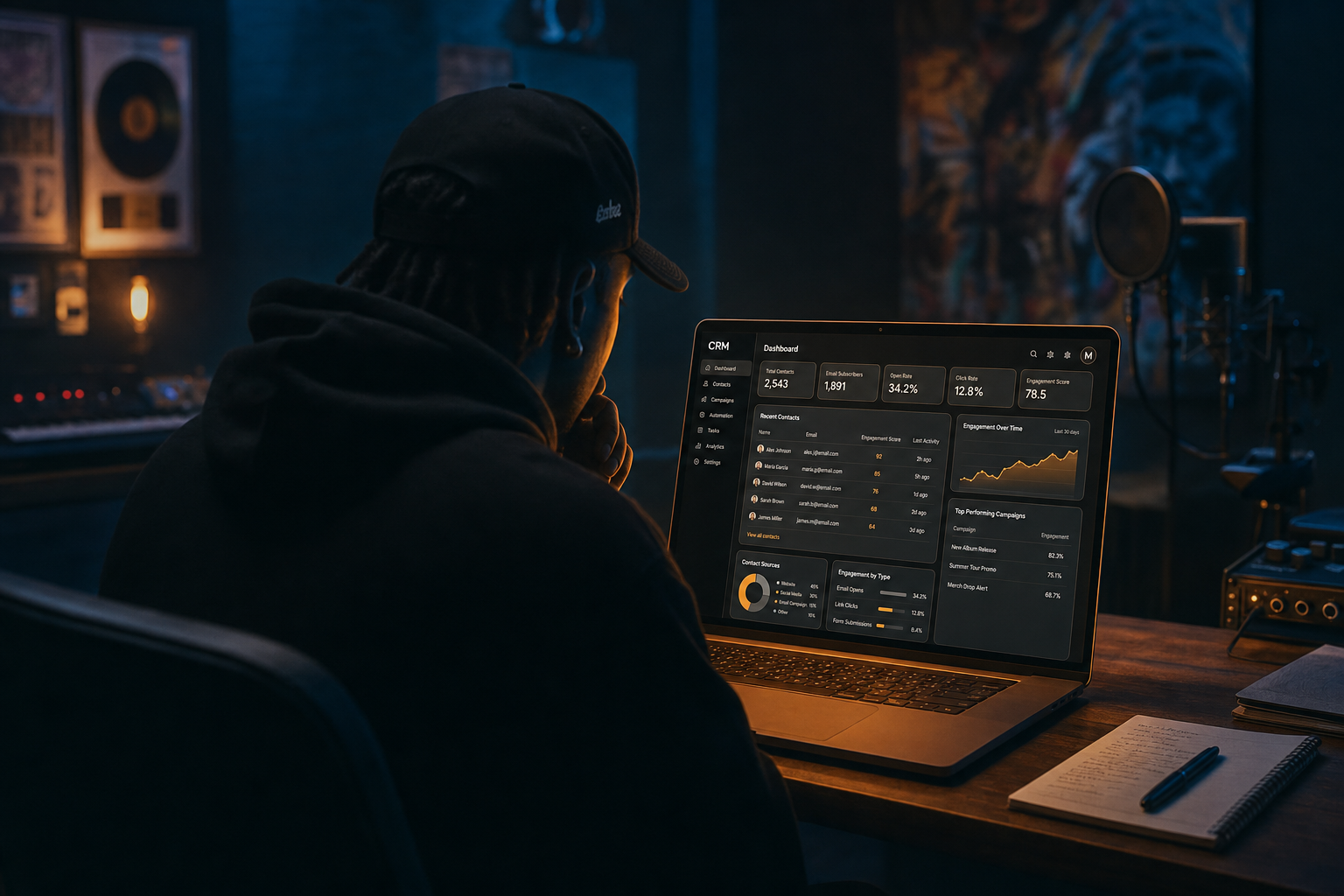
Learn why building your own CRM gives you more control, better data, and long-term leverage than renting attention on social platforms.
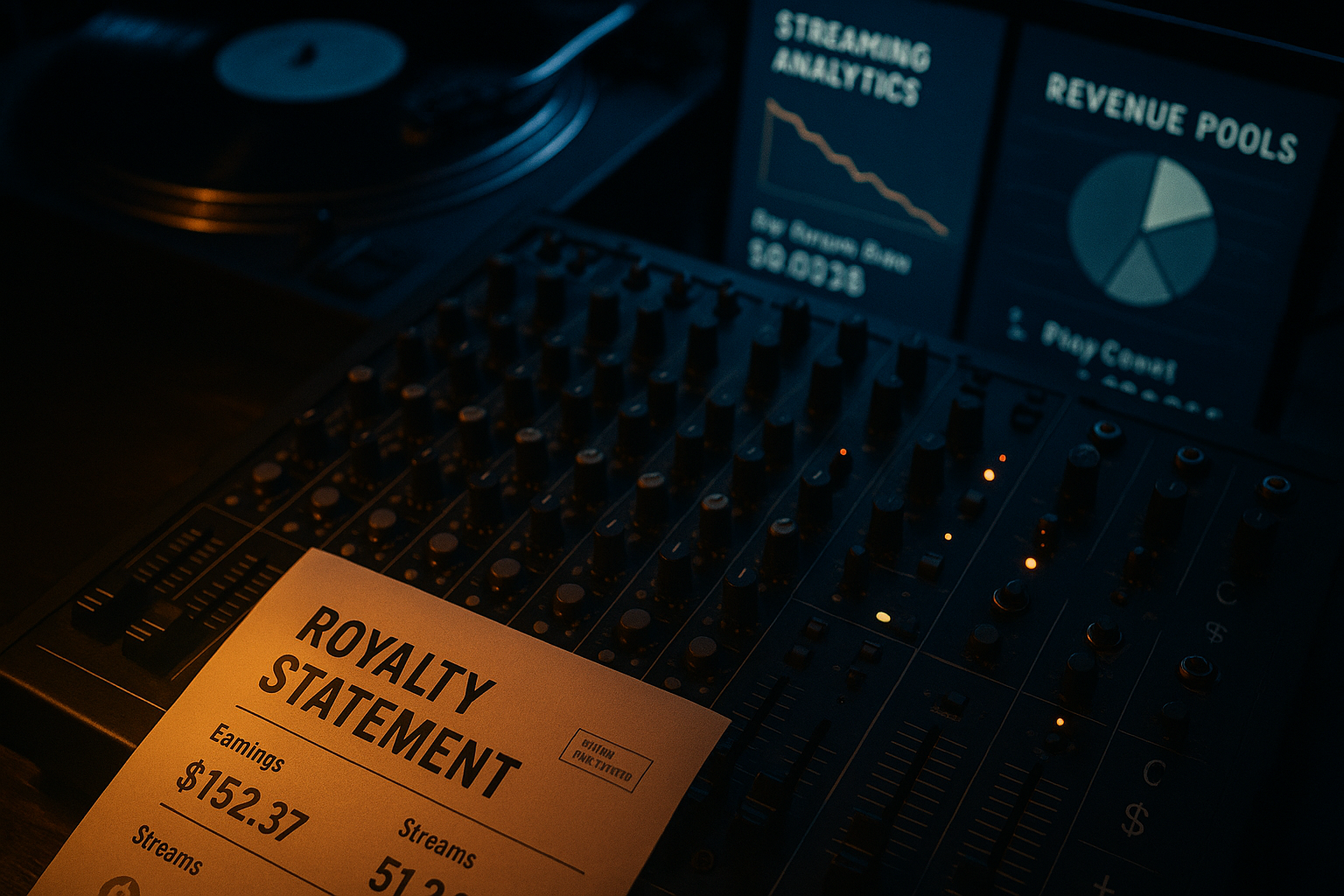
Streaming pool royalties are shrinking for independent artists even when play counts stay flat. Major labels negotiate outside the pool while independents split what remains after fraud and promotional deals.

Warner acquired Revelator in April 2026, placing independent artist infrastructure under major label control for the first time.
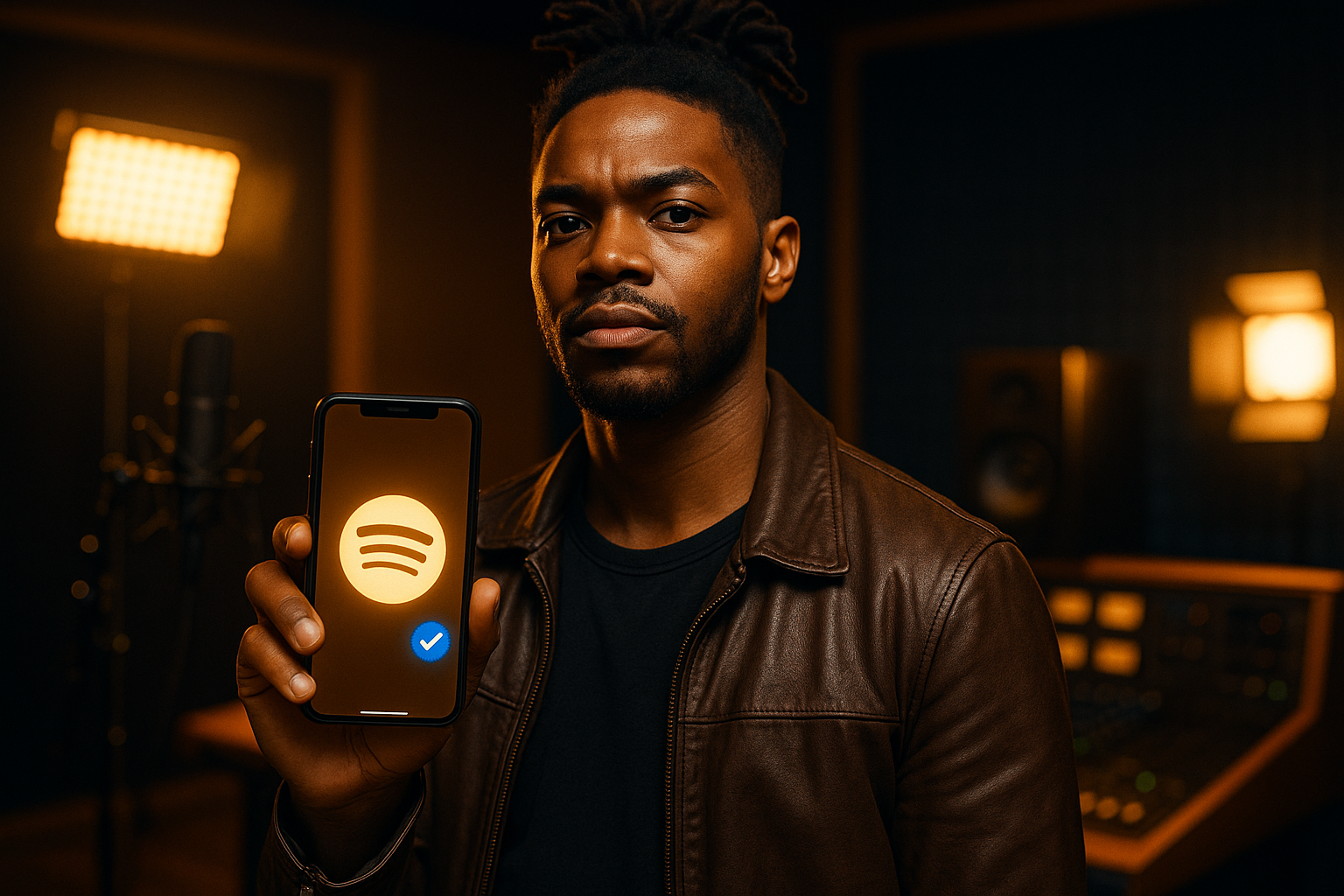
Spotify's verification badge now separates human artists from AI-generated spam, and fans are actively looking for proof you're real.
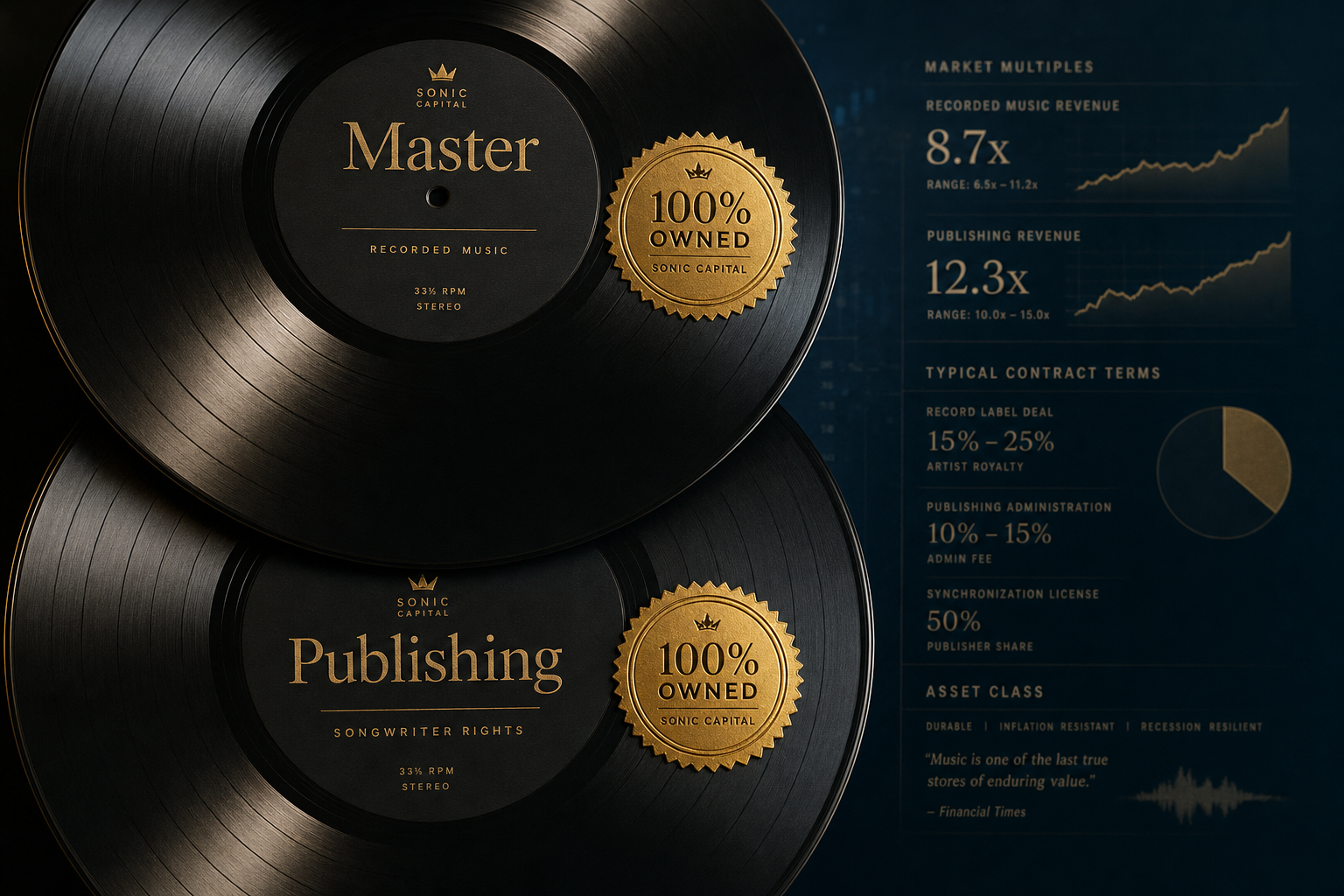
Learn why major labels are spending billions on publishing rights, and how independent artists can protect their catalog value now.
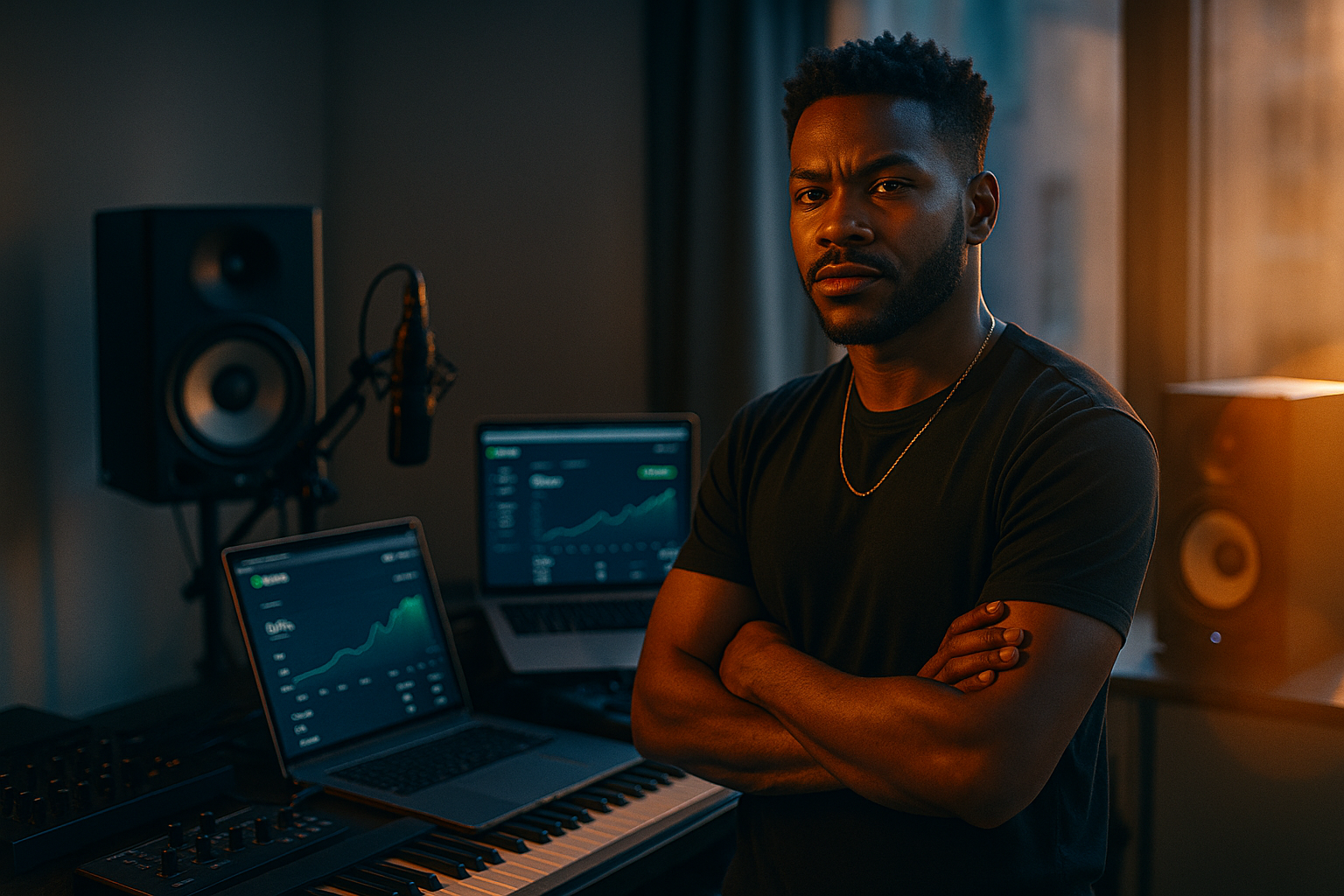
Reaching 1,000 streams validates your release and signals algorithmic viability to DSPs. Most artists never hit this number because they skip pre-release strategy and audience targeting.

How streaming algorithms decide which tracks get heard, and what independent artists can do to show up in the right data feeds.

Stefflon Don sold her entire catalogue in a multimillion-dollar deal, becoming the latest artist to cash out on her master recordings and publishing rights.
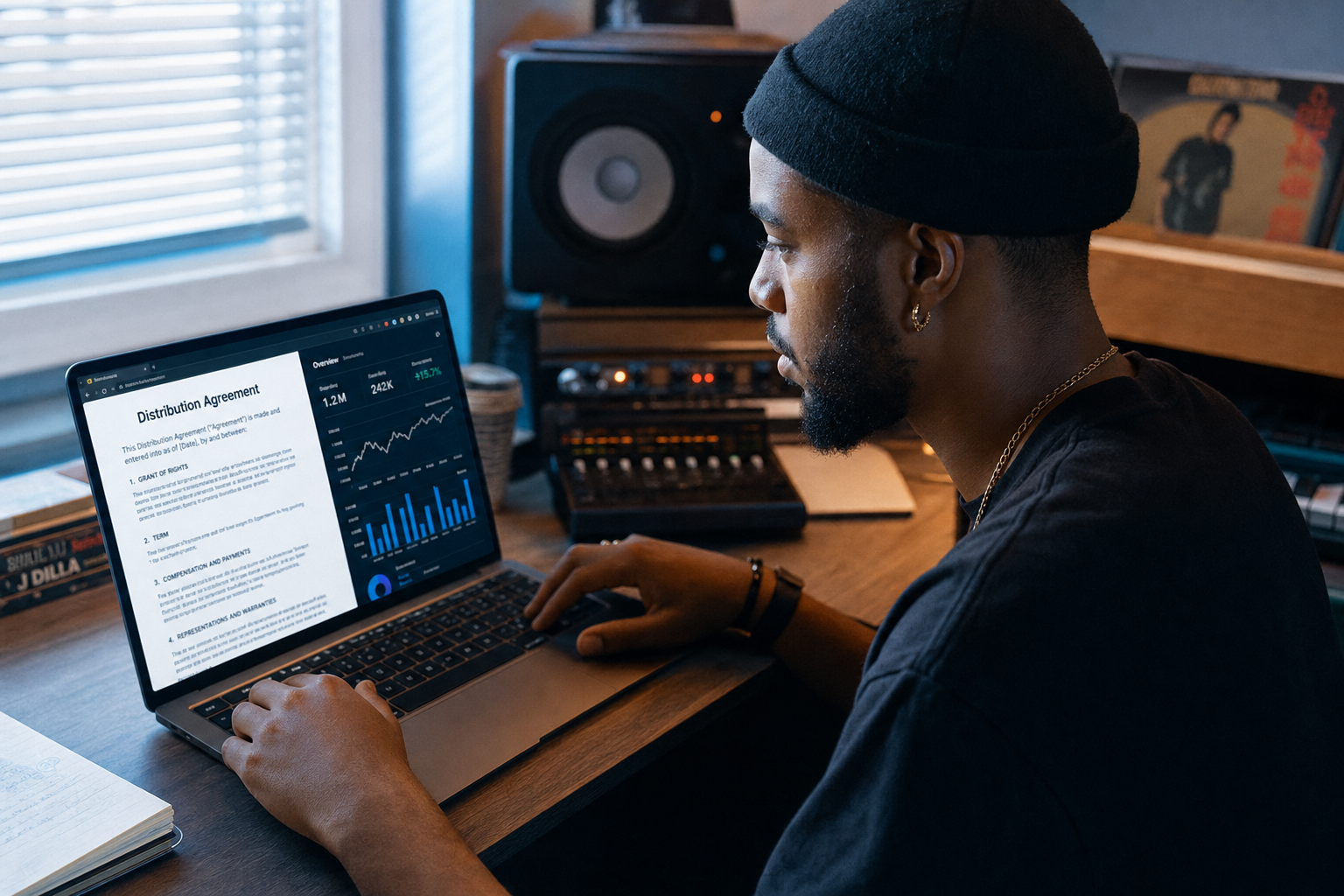
What your distributor's new AI deal actually means for your royalties, your rights, and what you need to do next.
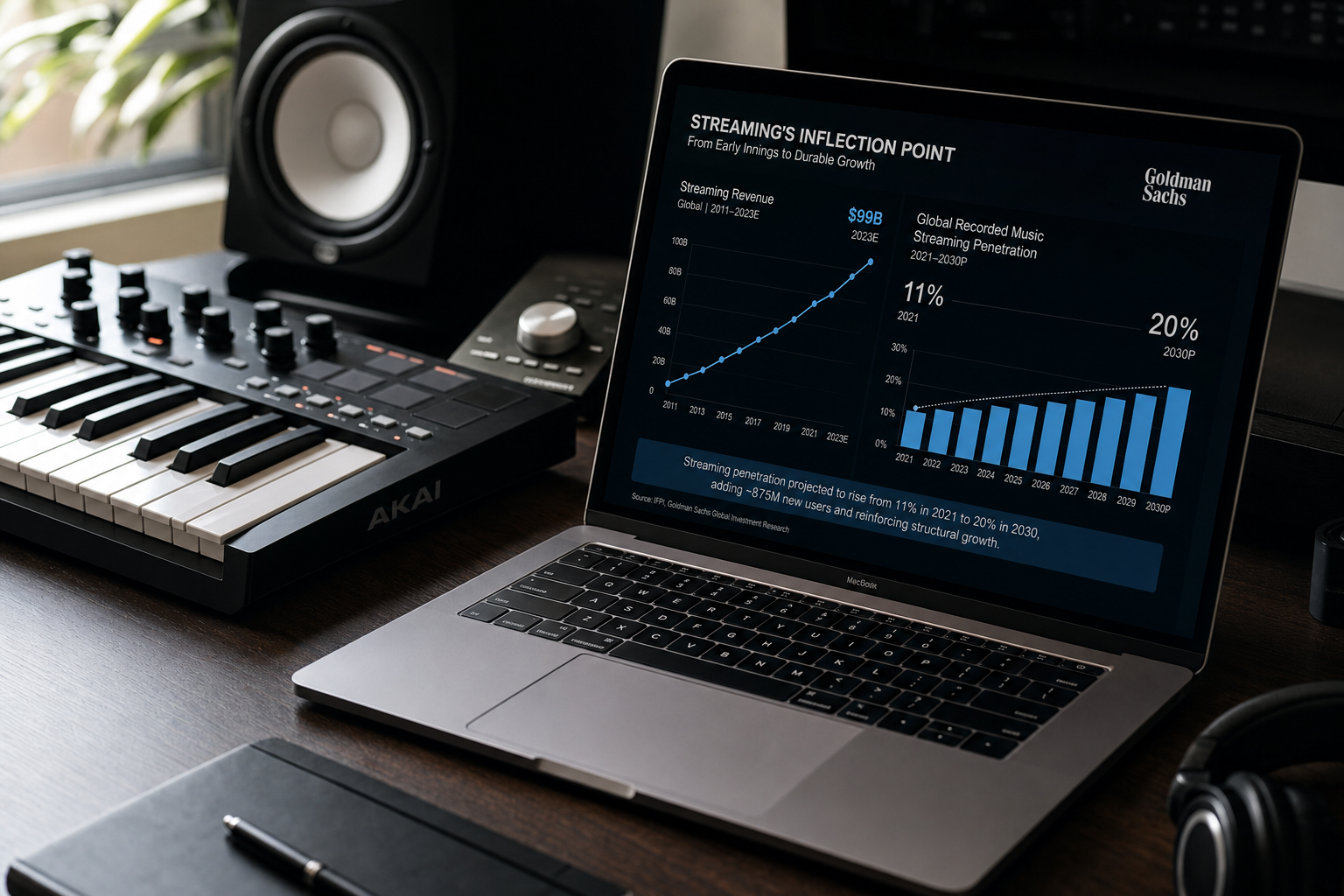
Streaming penetration sits at 11% globally. Goldman Sachs projects 20% by 2030. The growth window is open, not closed.
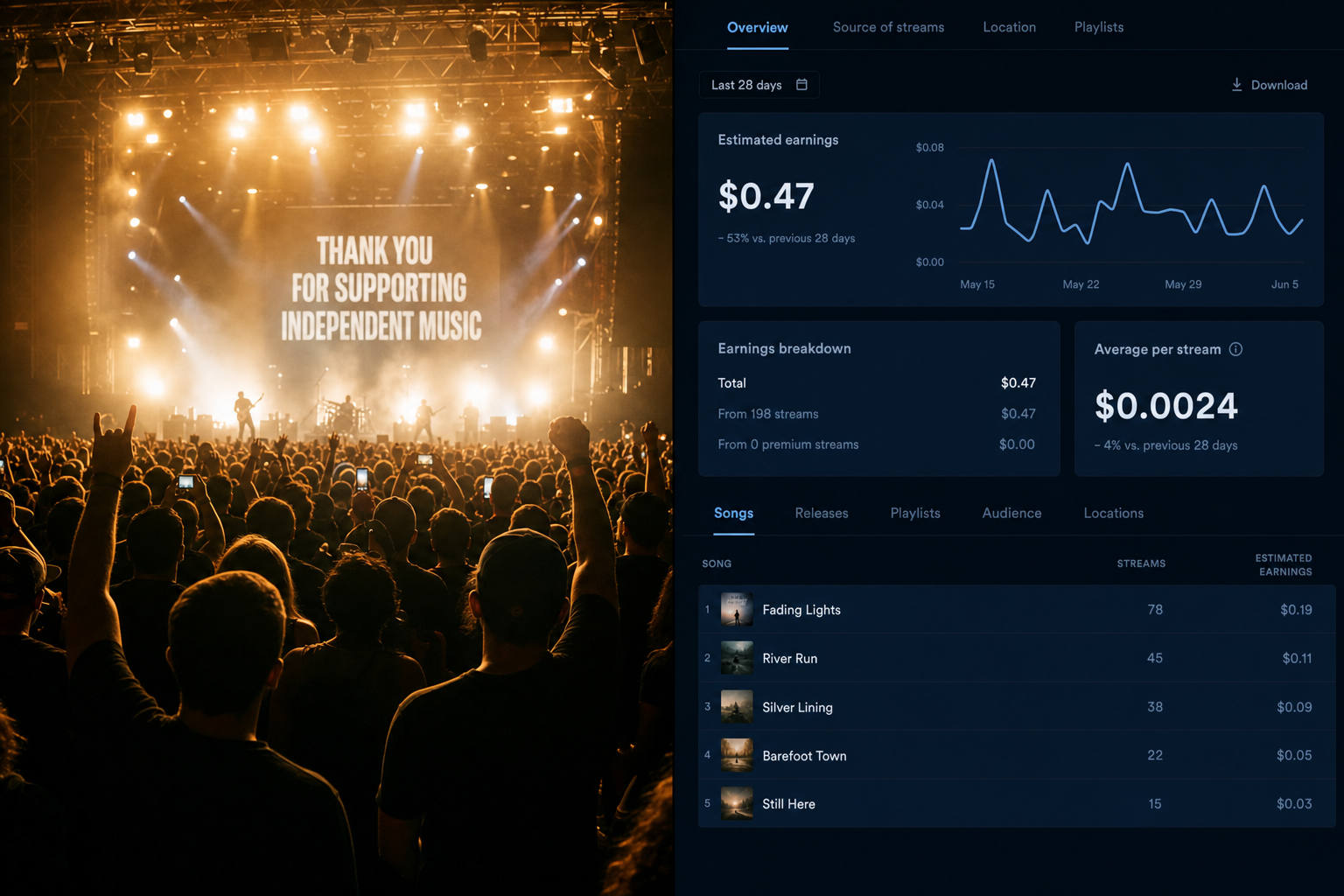
Where artist money actually comes from, why live pays better than streaming, and how bad admin kills your margin.
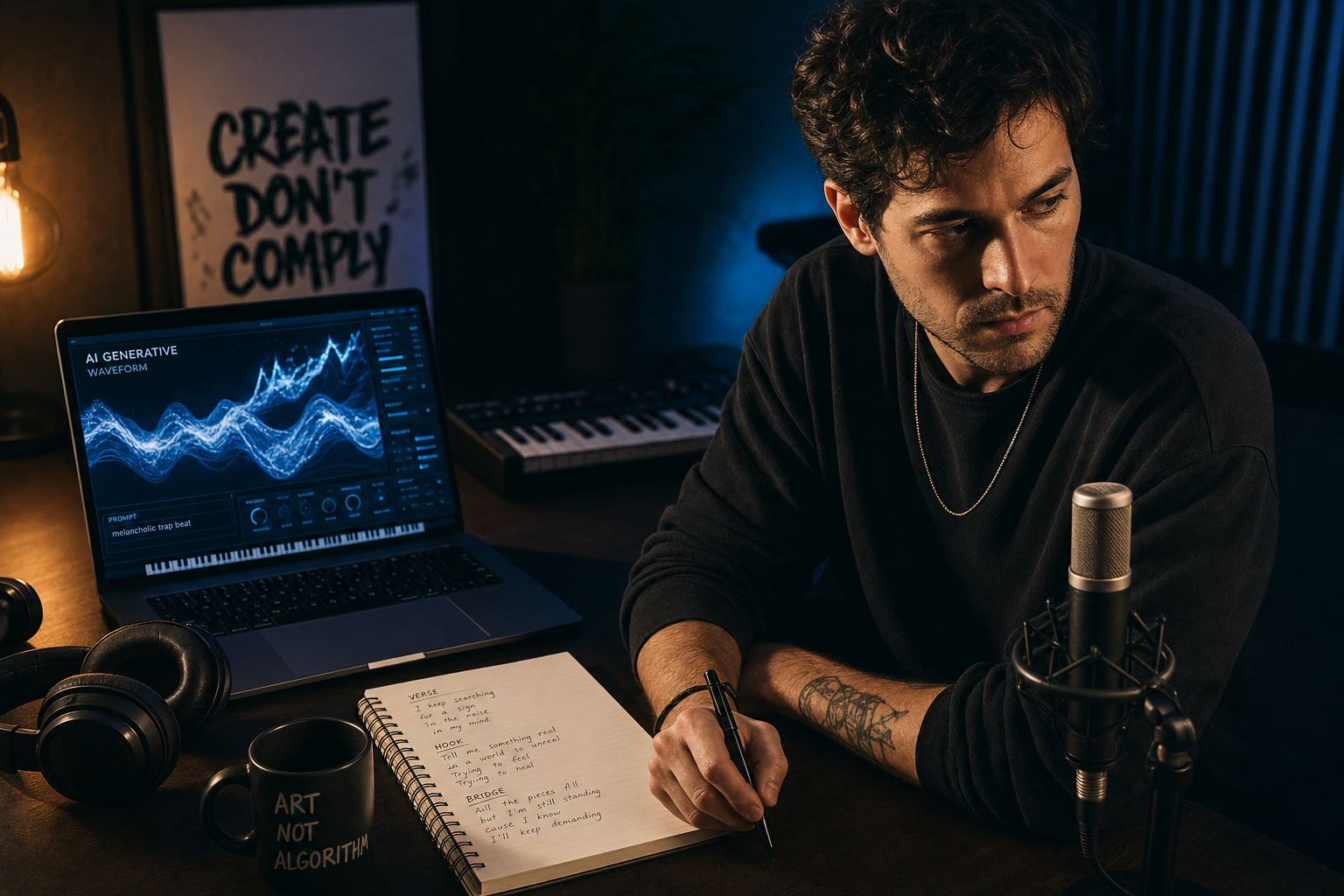
Almost every independent artist we’ve spoken to this quarter is using AI, and almost none of them are using it for the right thing.
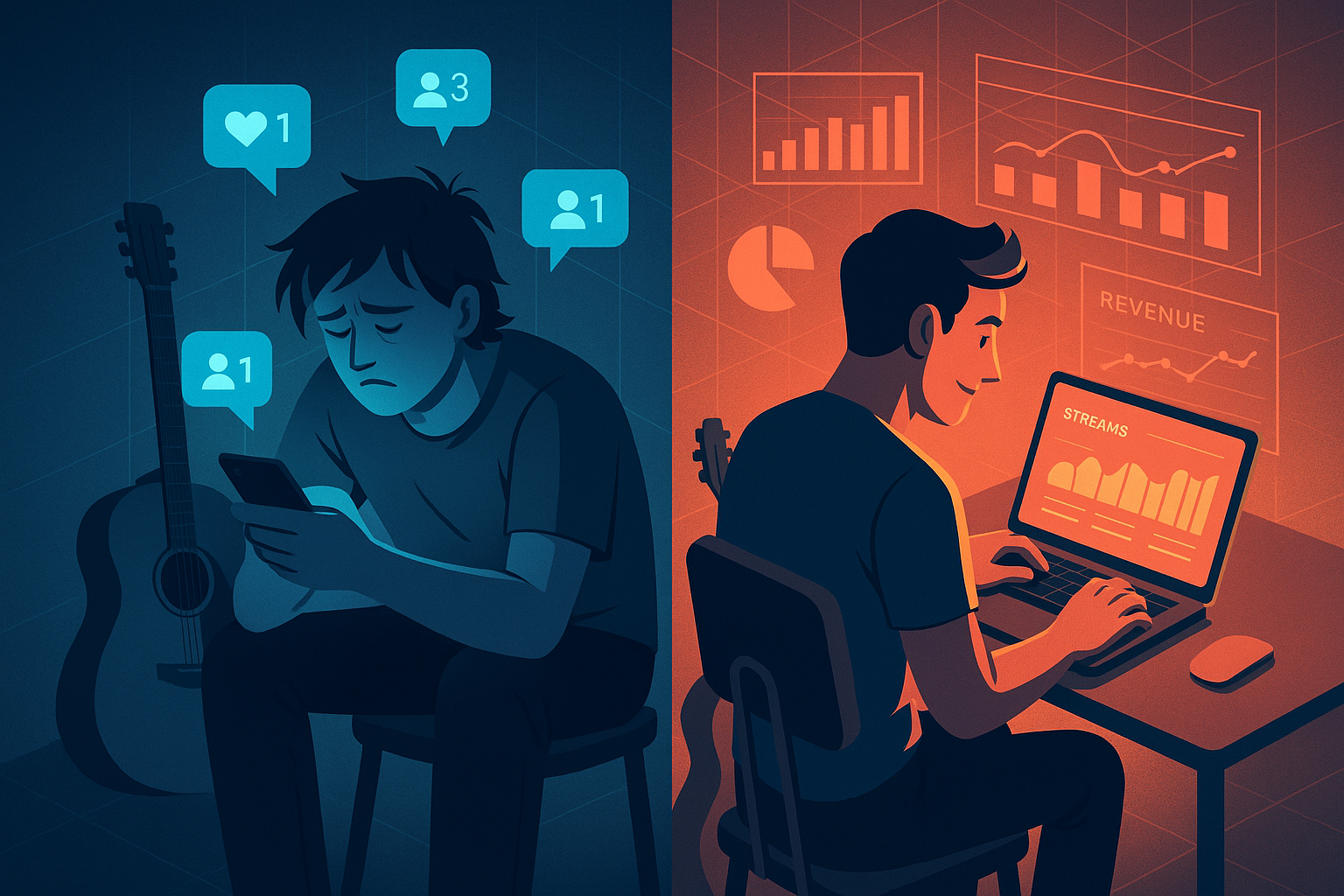
How to build targeted social campaigns that convert followers into streams, not just content that fills your feed.
Join thousands of independent artists getting early access, industry secrets, and platform updates directly to their inbox.