The cultural equity trap: Why your niche fans are your best investors
Learn how to structure fan investment beyond streams and build a community that funds your career long-term.

Key Takeaways
Niche fan communities deliver more long-term revenue than broad, transactional audiences ever will.
Your most engaged fans aren't just consumers, they're potential equity holders in your catalogue and brand.
Building direct investment frameworks turns passive listeners into active stakeholders who grow with you.
Sustainability comes from treating your fanbase like a cap table, not a mailing list.
Most independent artists are burning time and money trying to reach everyone. The smarter move is building a core group of fans who don't just stream your music, but invest in everything you create. This article shows you how to turn casual listeners into stakeholders who fund your catalogue, attend your shows, and grow with you over years, not just album cycles.
Most independent artists are optimizing for the wrong metric. They chase plays, likes, and follows when they should be building ownership into the relationship itself.
This is not about crowdfunding a single or selling merch at cost. This is about repositioning your most committed fans as stakeholders in your cultural output. Not legally (though that exists). Psychologically and financially. You're building a system where support turns into equity, and equity pays cultural dividends.
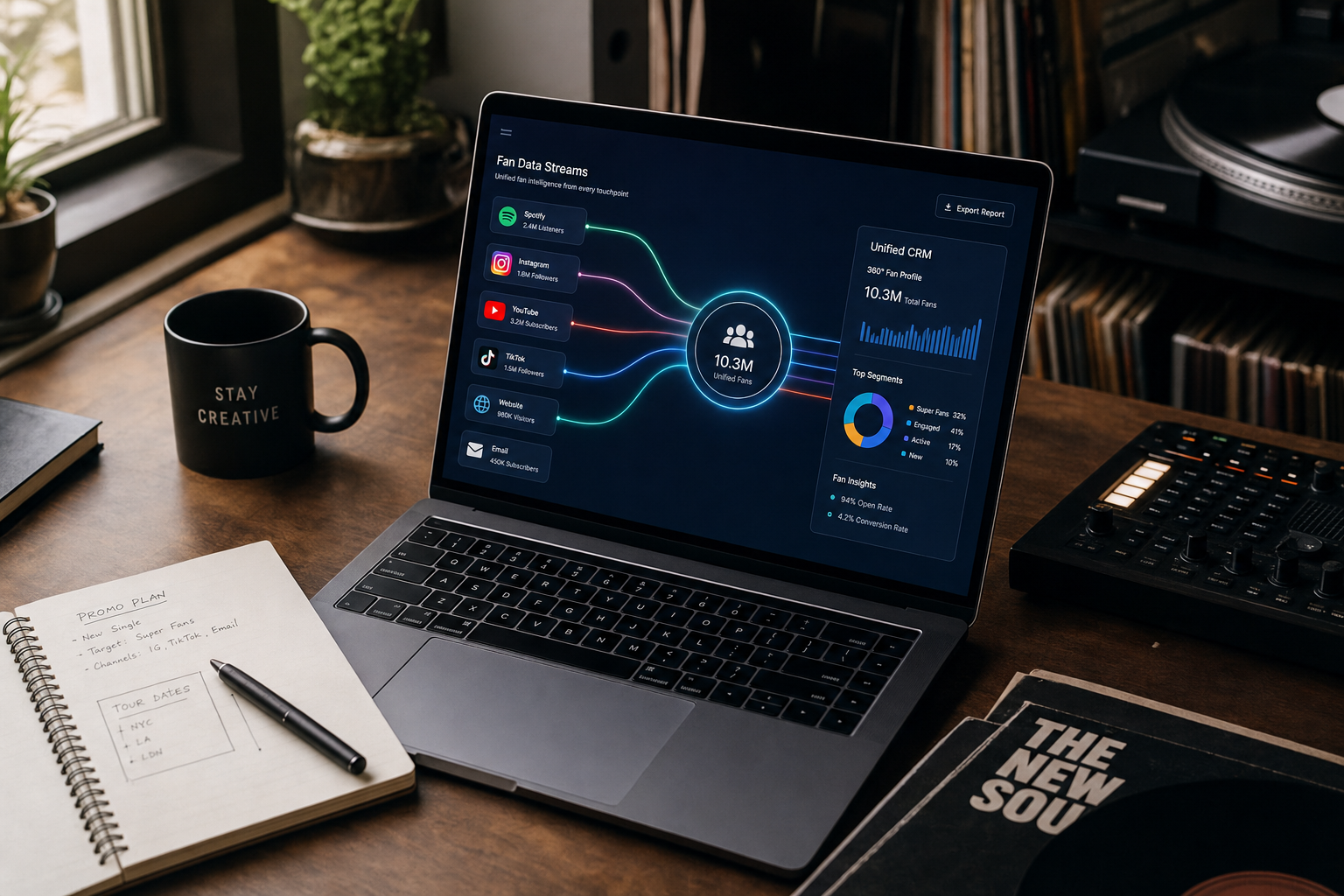
The shift is structural. It requires you to stop seeing your fan base as an audience and start seeing it as a cap table.
Why cultural equity matters now
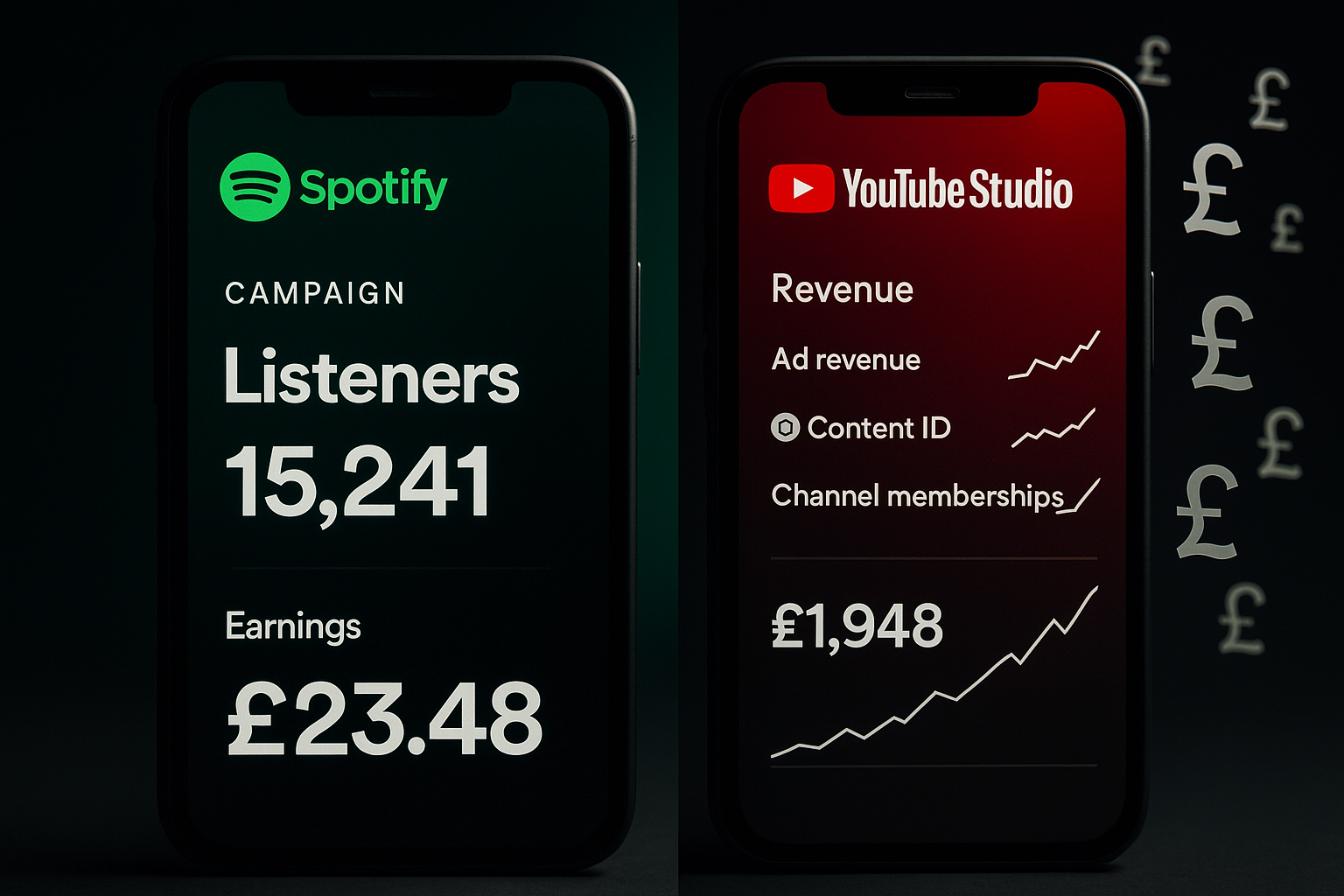
The streaming model pays you per play. The brand deal model pays you per post. Both treat you as inventory. Cultural equity flips it. Your fans gain long-term value from supporting you early, and you gain capital and loyalty that compounds over time.
Spotify doesn't care if you quit tomorrow. A fan who holds equity in your world does.
The 'cultural dividend' explains how niche audiences return more value than mass ones ever will. This piece shows you how to structure access so those fans see their early belief reflected in tangible returns.
What cultural equity actually looks like
You don't need a securities lawyer to start. Cultural equity is any system where fans receive compounding value in exchange for early or sustained financial support.
Examples:
- Lifetime access to all future releases, stems, and instrumental versions for a one-time fee.
- First access to tour pre-sales, meet and greets, or writing camp sessions.
- Percentage splits on sync placements sourced through your community.
- Naming rights on songs, production credits, or liner note mentions.
- Revenue share from a merch drop or limited edition vinyl run.
- Exclusive input on creative decisions via private Discord channels or quarterly calls.
These are not perks. They are equity instruments. The fan is buying future upside, not just current output.
How to build the framework
Start small. Pick one tier. Test demand. Then layer.
Step one: Define the equity class
Decide what you're offering and what the fan receives. Be specific. "Lifetime access to my entire catalogue plus all future releases" is clear. "Exclusive content" is not.
Use a single landing page. Write out the offer in plain terms. Include what they get now, what they get later, and how long it lasts. No vague language. No hype copy.
Step two: Set the pricing model
Price it based on the long-term value you're delivering, not what feels fair. If you release two projects a year at $10 each and you plan to do this for the next decade, lifetime access is worth $200 minimum. Price it at $150 and it's a deal. Price it at $30 and you're undervaluing your own output.
Tiered pricing works. Offer three levels: entry, committed, and believer. Each tier stacks value without cannibalizing the one below it.
Step three: Deliver the first dividend immediately
When someone buys in, they should receive something within 24 hours. A download link. A private video. A thank you voice note. Something that confirms they made the right call.
This is not about being nice. It's about proving the system works. You're building trust in a structure most fans have never seen before.
Step four: Communicate the value consistently
Every three months, remind your equity holders what they've received. A simple email: "Since you bought in, you've gotten early access to four singles, two behind the scenes videos, and a discount code that saved you $40 on merch. Your investment is already paying off."
You're training them to see support as ROI, not charity.
Where fans actually buy in
Your equity structure lives in three places: your website, your email list, and your inner circle platform.
Website: a dedicated "/invest" or "/join" page. Clean design. Clear offer. Payment link.
Email: you're not selling this to cold traffic. You're selling it to people who already stream you, bought merch, or showed up to a show. Segment your list and send a personal invite.
Inner circle platform: Patreon, Discord, Circle, or a private Telegram group. This is where equity holders congregate and where you deliver ongoing value. Choose one and own it.
Do not use Instagram or TikTok for this. Those platforms are for discovery, not depth. Equity holders need a home where the algorithm doesn't decide what they see.
How this changes your release strategy
When you have fans with equity, your release calendar becomes a value delivery system.
Instead of dropping a single and hoping for playlist adds, you're pre-releasing it to equity holders two weeks early. You're giving them stems so they can remix it. You're letting them vote on which song becomes the next single.
The Superfan Window explains why your most committed fans need to be rewarded before the masses ever hear the song. Cultural equity is the infrastructure that makes that possible at scale.
You're also future-proofing your catalogue. If you ever license a song for a commercial or a TV show, your equity holders know they were part of building that asset. That emotional connection is worth more than the sync fee itself.
What this looks like in practice
Let's say you're an independent producer with 10,000 monthly listeners. You offer lifetime access to your entire catalogue, all future beat packs, and priority placement for artists who want to work with you. You price it at $200.
If 2% of your listeners buy in, that's 200 people. That's $40,000 upfront. But more importantly, it's 200 people who are now financially and emotionally tied to your success. They will share your music. They will refer other artists. They will show up when you need them to.
Compare that to trying to make $40,000 from streaming. At $0.004 per stream, you'd need 10 million plays. And even then, you'd have zero direct relationships and zero recurring value.
This is not theory. Artists are running this model right now. Some are doing it through Patreon. Some through Gumroad or a Shopify storefront. Some through private WhatsApp groups and Google Forms.
The tools don't matter. The framework does.
Common mistakes to avoid
Do not oversell. If you say fans will get input on creative decisions, you have to actually give it to them. If you say they'll get first access to tickets, that system better work flawlessly.
Do not under-deliver. If someone pays $150 for lifetime access and you ghost for six months, you've destroyed the equity model for everyone else who might have bought in.
Do not treat this like a Kickstarter campaign. This is not a one-time funding round. This is infrastructure. You're building a system that lasts as long as your career does.
And do not let guilt dictate pricing. You are not ripping people off by charging what your work is worth. You're giving them an opportunity to invest in something they already believe in.
Why this ties to your larger artist business
Cultural equity is not a side project. It's the foundation of a sustainable independent career.
When you treat fans as stakeholders, you stop being dependent on DSPs, labels, or algorithms. You have a direct revenue stream. You have a group of people who are incentivized to grow your audience because it increases the value of what they already hold.
This is what the equity advocate framework is built on. You're not extracting value from your fans. You're creating a system where their support compounds over time and where you both win.
The artists who figure this out in the next two years will own their careers outright. The ones who don't will keep renting attention from platforms that pay them last.
How to start this week
Pick one offer. Write it out in two paragraphs. Set a price. Build a landing page or a Google Doc. Send it to your 50 most engaged fans and see who bites.
If five people buy in, you just made your first equity holders. Now deliver value, document the process, and refine the offer for the next 50.
This is not a marketing tactic. It's a business model. Treat it accordingly.
Ready to streamline your workflow?
Stop piecing together spreadsheets and scattered notes. Join the waitlist for Music Artist Manager and get your entire rollout in one place.
Written By
Gavin Alexander
Senior Marketeer
As the founder of Music Artist Manager, Gavin has spent years at the intersection of music and technology. Seeing firsthand how chaotic release rollouts and split sheets can be, he designed a platform that brings major-label infrastructure to independent artists and their teams. He writes extensively about industry trends, artist leverage, and workflow optimisation.