Independent artists now control over 50% of the music streaming market
Independent artists now control over 50% of streaming royalties. Here is what that means for your distribution deals, licensing leverage, and negotiating position.

Key Takeaways
Independent artists now hold more than 50% of global streaming royalties for the first time in history.
This market majority means distribution terms are negotiable at scale, not fixed defaults you must accept.
Collective bargaining through bodies like Merlin translates your category's majority share into better licensing rates.
Leverage only becomes real when you have consistent catalogue, audience data you own, and material streaming income.
Independent artists now control more than 50% of global streaming royalties. This is not a symbolic win. This is a structural shift that changes how distribution deals, licensing terms, and platform negotiations should work, and most artists have not adjusted their strategy to match it.
For the first time in recorded music history, independent and self-released artists collectively account for more than 50% of global streaming royalties, according to IFPI 2026 data. The majority has arrived. But here is the uncomfortable question every serious manager must ask their client: if independent artists now own the majority share of the streaming market, why are they still distributing, licensing, and negotiating as though they are a marginal, grateful minority?
The milestone is real. The structural adjustment has not followed.
The market has flipped. most artists have not adjusted yet.
The shift from a gatekeeper model to an open access model has been unfolding for a decade, but 2026 marks the inflection point where the numbers make the argument irrefutable. Independent artists are no longer on the edges of the mainstream. They are the mainstream by volume.
What this changes beneath the surface:
Distribution leverage has flipped.Platforms and distributors need indie catalogue to sustain their listener hours and justify licensing fee negotiations with rights bodies. The asymmetry that allowed platforms to set non-negotiable terms is structurally weaker than it was five years ago.
Collective bargaining is now viable.When independents represented 20% of the market, fragmentation made collective action almost impossible to organize. At 50%+, the economics of organized collective licensing (whether through PROs, CMOs, or new digital collective licensing bodies) shift meaningfully.
The "unsigned artist" stigma is commercially dead.A&R departments at labels are increasingly scouting precisely because independent releases have proven commercial viability without label infrastructure. This inverts the power dynamic in any signing conversation.
The danger: most independent artists are still operating with a scarcity mindset. They are grateful for platform access, accepting default royalty splits, and treating every negotiation as a privilege rather than a transaction between counterparties of comparable market weight.
What you need to understand to act on this
To act on this milestone, artists need to understand three structural concepts:
1. distribution margins are negotiable at scale
Standard distribution deals (DistroKid, TuneCore, CD Baby) are designed for volume intake, not value maximization. At meaningful catalogue size or monthly listener counts, direct licensing or premium distribution tiers unlock different economics. Artists should know what their annual streaming revenue is and what percentage their distributor retains.
2. market share confers negotiating credibility, not individual numbers
No single independent artist commands 50% of streams. But as a category, independents do. Understanding this means leaning into collective bodies (IMPALA, the Featured Artists Coalition, Merlin for independent labels) whose collective negotiating weight now rests on the majority market position that 2026 IFPI data confirms.
3. licensing is a separate conversation from distribution
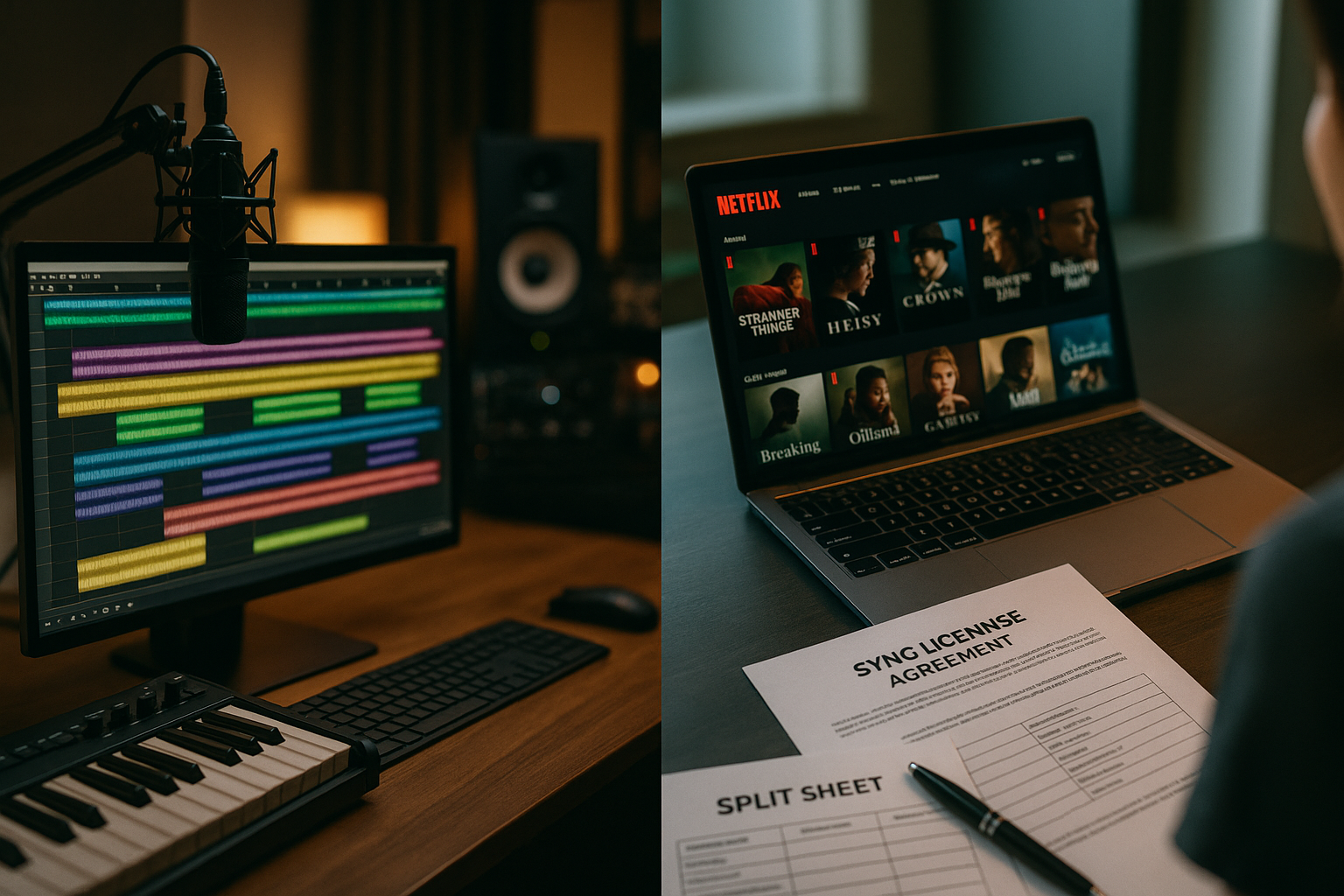
Sync licensing, master licensing, and performance rights are three distinct revenue channels. Each has its own negotiating logic. Independent artists who conflate "I have distribution" with "I have licensing coverage" are leaving significant revenue unclaimed.
Who this applies to (and who it does not)
This is not advice for an artist with 500 monthly listeners who released their first EP six months ago. The leverage conversation only becomes real when:
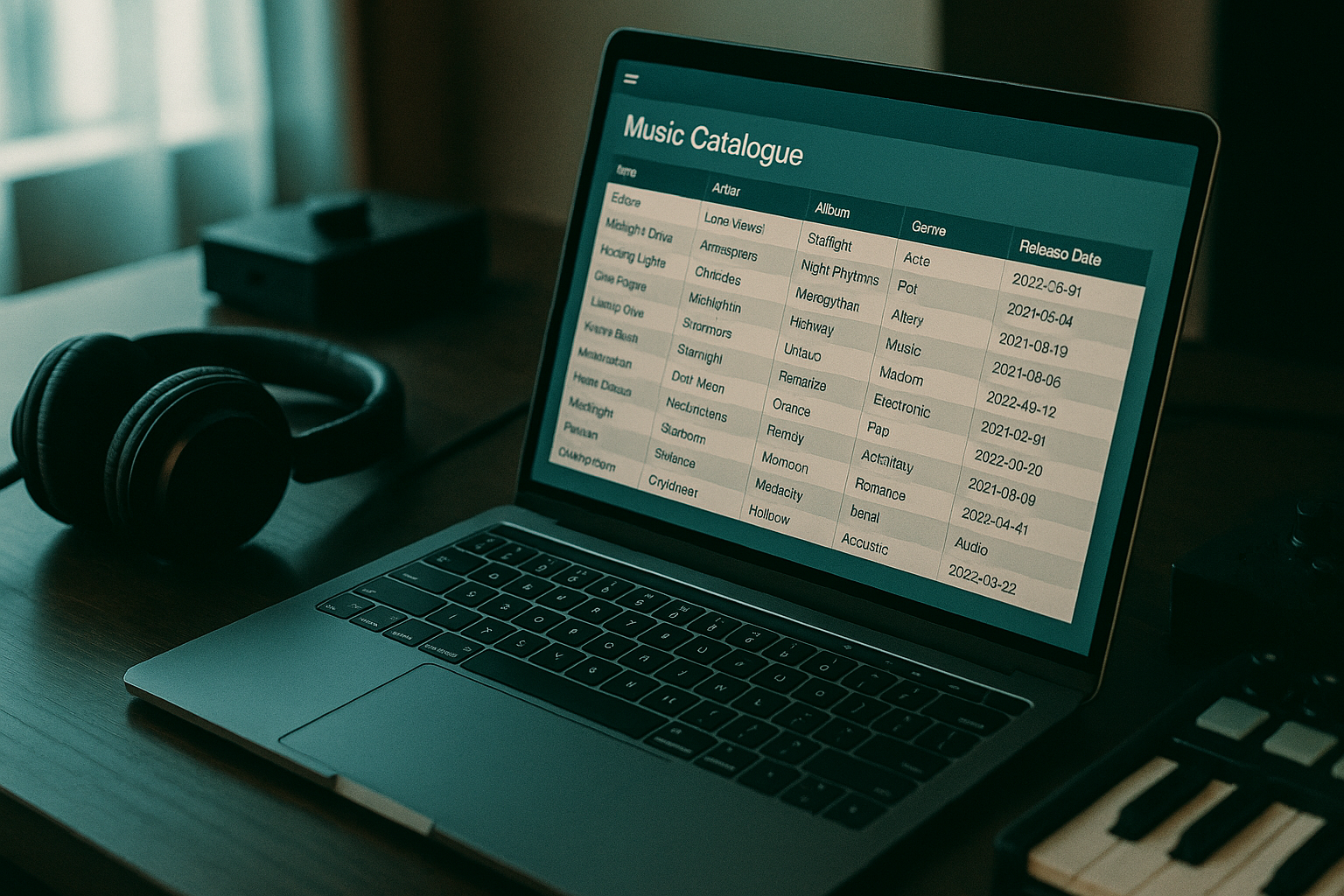
- You have a consistent catalogue (10+ tracks generating royalties)
- You have measurable audience data you own (email list, social following, streaming metrics)
- You are generating enough annual streaming income to make negotiating distribution terms financially material
If you are not there yet, your task is to build toward the position where this leverage becomes accessible, not to pretend you already have it. A 50% market share for independents as a category does not mean every individual independent artist has leverage. It means the path to leverage is now structurally clearer than ever before.
What to do next
Step 1: Audit your current distribution terms
Pull your distributor agreement. Identify the percentage split, the withdrawal terms, and whether you own your ISRC codes. Most artists have never read this document.
Step 2: Calculate your annual streaming revenue by platform
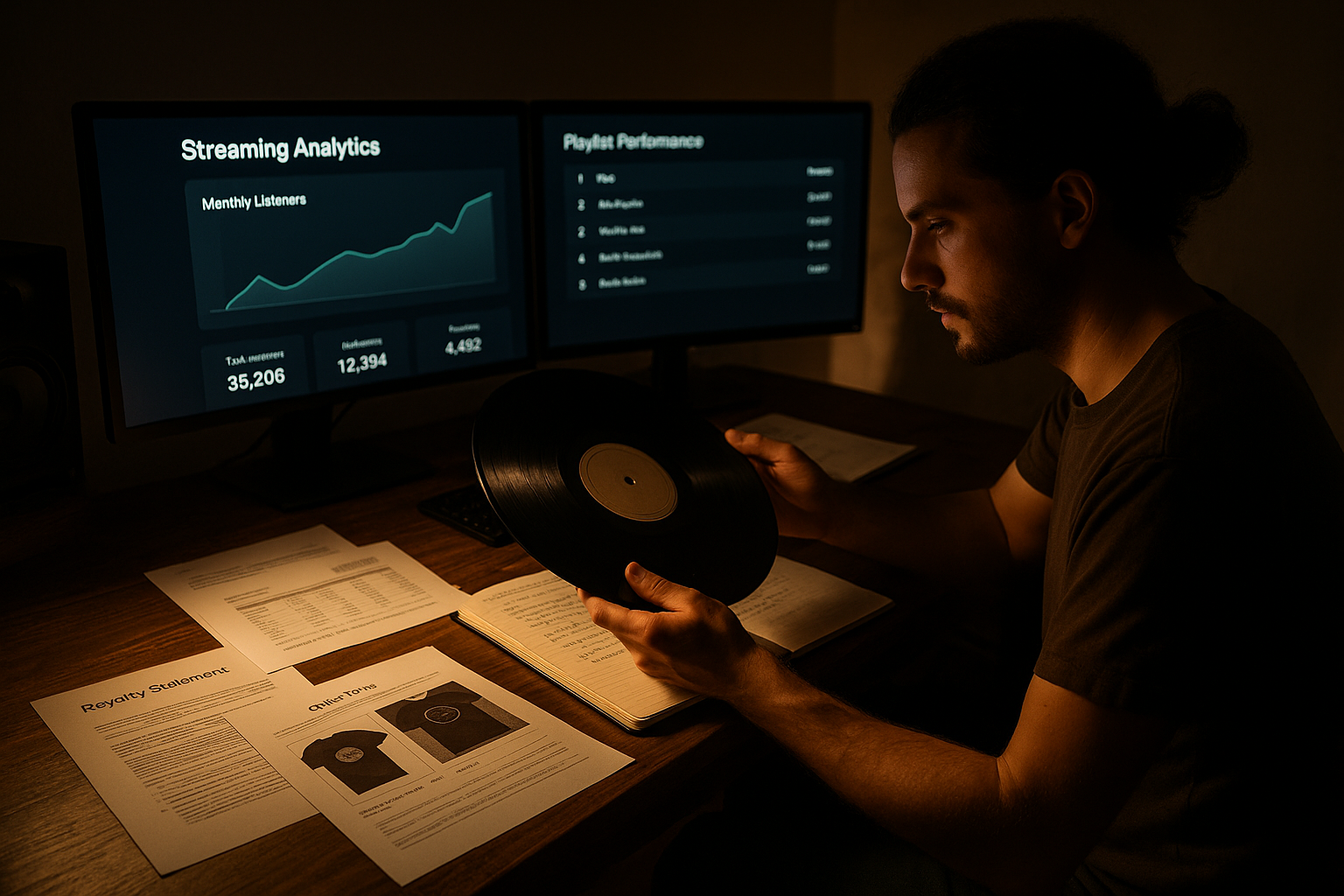
Use your distributor dashboard to break down revenue by platform. This tells you where your value lives and who you are actually negotiating with indirectly.
Step 3: Register with your national pro (if you have not already)
PRS (UK), ASCAP/BMI (US), SOCAN (Canada). Every performance generates a royalty claim. Unclaimed royalties are pooled, not held, and redistributed. You are leaving money on the table every month you are unregistered.
Step 4: Review merlin membership eligibility
If you operate your own label imprint (even informally), Merlin membership (the digital rights agency for independent music) gives you access to premium licensing rates negotiated on behalf of the independent sector's majority market position. This is the direct commercial mechanism through which the 50% milestone translates into actual improved deal terms.
Step 5: Reframe every licensing conversation
In sync licensing, brand partnership, and platform editorial conversations, explicitly reference the independent sector's market majority. Not aggressively. Strategically. "Independent releases now represent the majority of global streaming royalties" is a factual statement that resets the room.
Step 6: Build a 12-month catalogue plan
Leverage compounds over time. Map out a 12-month release schedule that grows catalogue, generates consistent streaming data, and builds the audience metrics that underpin any serious licensing or distribution negotiation.
The shift from artist to rights holder
Jay-Z did not negotiate like a rapper who needed a record deal. He negotiated like a business owner who understood what his catalogue was worth and, crucially, what the label needed from him. The 2026 IFPI data is the industry handing every independent artist that same factual foundation.
The shift is not from "artist" to "influencer." It is from performer seeking access to rights holder operating within a market where they are the majority. A CEO does not thank the supplier for taking their call. They assess the terms, understand the leverage, and negotiate accordingly.
Music Artist Manager is built for artists who have made that shift. The tools, royalty dashboards, and deal-tracking infrastructure assume you are running a business, because the market data now confirms that you are.
Track what you own.Use Music Artist Manager's Expenses module to see your streaming income across every platform in one place, identify unclaimed revenue gaps, and build the data foundation you need before any licensing or distribution negotiation.
[→ Open Expenses in Music Artist Manager]
\*\*
Related Reading:
- https://www.musicartistmanager.com/blog/sync-licensing-indie-one-stop-edge
- https://www.musicartistmanager.com/blog/royalty-audit-hidden-income-artists
- https://www.musicartistmanager.com/blog/great-unsigning-artist-independence-infrastructure
Further Reading:
- reading:
- Sources:
- - [Independent Artists Surpass 50% of Global Streaming Royalties — Loud Drip](https://louddrip.com/artist-indie-artists-to-watch-2026)
- - [Music Industry Predictions for 2026: Trends & Forecasts — Revelator](https://revelator.com/blog/predictions-for-the-music-industry-in-2026)
- - [IFPI Global Music Report 2026](https://www.ifpi.org/our-industry/industry-data/)
- - [Merlin: Independent Music's Digital Licensing Agency](https://merlinnetwork.org/)
Ready to streamline your workflow?
Stop piecing together spreadsheets and scattered notes. Join the waitlist for Music Artist Manager and get your entire rollout in one place.
Written By
Gavin Alexander
Senior Marketeer
As the founder of Music Artist Manager, Gavin has spent years at the intersection of music and technology. Seeing firsthand how chaotic release rollouts and split sheets can be, he designed a platform that brings major-label infrastructure to independent artists and their teams. He writes extensively about industry trends, artist leverage, and workflow optimisation.