Capturing direct catalogue revenue with precision metadata tagging
Learn how accurate metadata tagging influences DSP algorithms, playlist placement, and streaming income for independent artists.


Key Takeaways
Your metadata isn't admin work. It's how DSPs decide whether your track gets surfaced or buried.
Tracks with precise genre, mood, and instrumental tags perform better in algorithmic playlists than those without.
Metadata affects how streaming platforms classify your catalogue, which directly impacts your royalty allocation and reporting accuracy.
Getting your tagging right means more placements, better algorithmic reads, and stronger long-term catalogue performance.
Your metadata isn't just paperwork. It's the signal that tells Spotify, Apple Music, and YouTube Music where to place your track, which playlists to test it in, and how much shelf space you get in their recommendation engine. Bad tagging costs you streams, and streams are revenue.
Metadata is not admin work. It is discovery infrastructure. The way you tag your catalogue determines where your tracks surface, who hears them, and how much you earn.
Every DSP runs on recommendation engines. These engines scan metadata to understand what your song is, who it is for, and where it fits. Genre tags, mood descriptors, BPM, key, instrumentation, lyrical themes. These fields feed the algorithm. If you skip them or guess, you lose placement opportunities before your track even enters rotation.
This is not theory. This is how Spotify's recommendation API works. How Apple Music's algorithmic playlists populate. How Amazon's station logic decides what plays next. Metadata is the signal. The algorithm responds to the signal.
What proper tagging does for your catalogue
When you tag accurately and completely, you increase your track's eligibility for algorithmic playlists, radio features, and auto-generated stations. These placements are not curated by humans. They are triggered by metadata matches. No match, no placement. No placement, no streams. No streams, no revenue.
Detailed tagging also improves your catalogue's long-term discoverability. A properly tagged back catalogue can generate passive income years after release. Tracks resurface in mood-based playlists, genre deep dives, and seasonal rotations. But only if the metadata tells the platform what the track is.
The fields that matter most
Start with genre and subgenre. Be specific. "Hip hop" is not enough. "Boom bap hip hop" or "melodic trap" gives the algorithm more to work with. DSPs use multi-level genre trees. The more precise your input, the better your targeting.
Mood and energy tags matter for editorial and algorithmic playlist placement. Is this track high energy or chill? Uplifting or melancholic? Aggressive or introspective? These descriptors map directly to user behaviour and listening context.
BPM and key unlock sync opportunities and DJ tool integrations. They also support cross-genre discovery when users filter by tempo or harmonic compatibility.
Lyrical content flags matter for clean vs explicit routing, which affects playlist eligibility and DSP rating filters in family accounts. Tag it wrong and you lose access to certain user segments.
Instrumentation and production style tags help your track surface in instrument-specific or production-focused playlists. If your track features live drums, tag it. If it is sample-based, tag it. If it uses a specific synth or vocal processing style, tag it.
How this connects to revenue
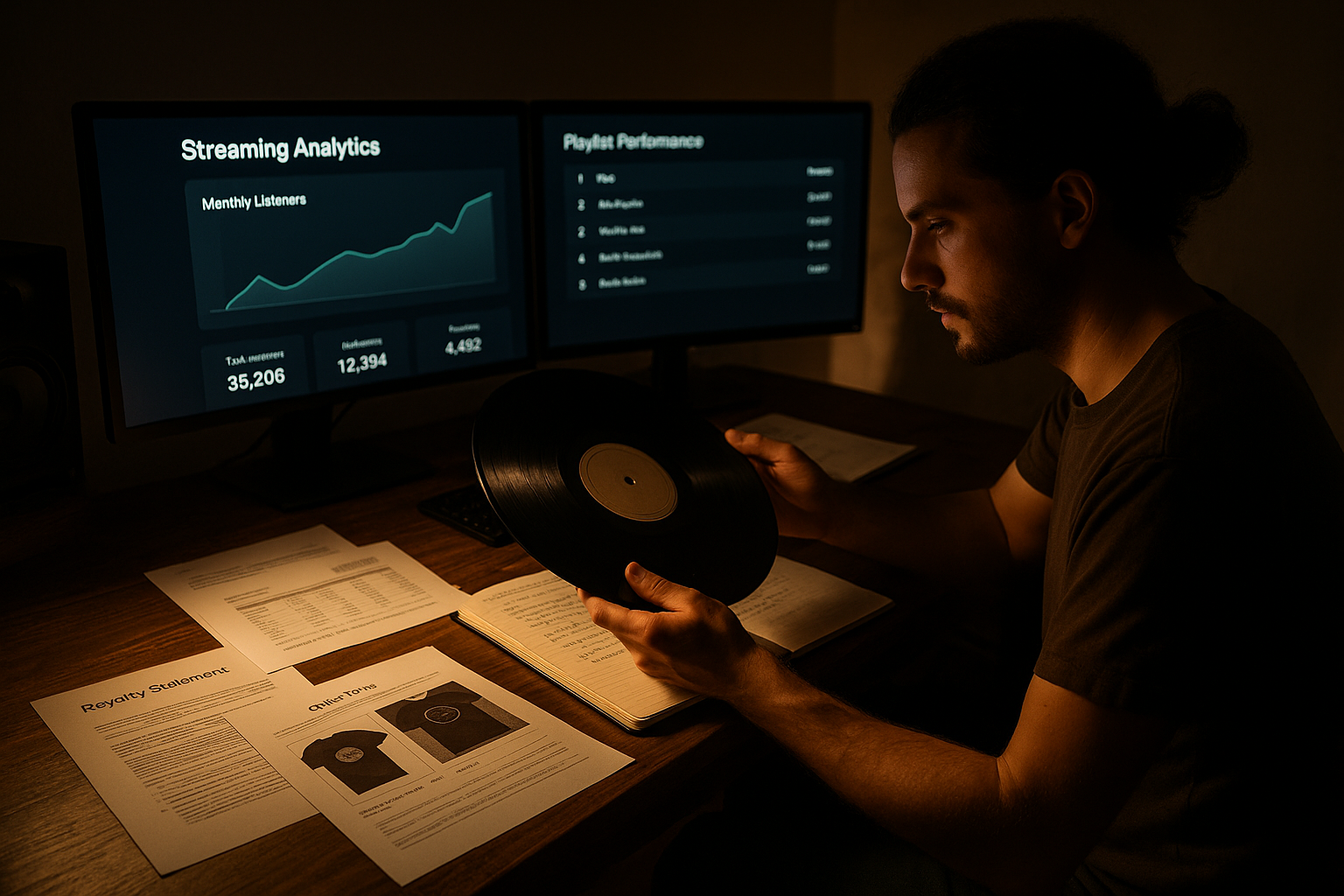
Algorithmic placements drive the majority of streams on major DSPs. Editorial playlists get attention, but algorithmic playlists deliver volume. More algorithmic placements mean more streams. More streams mean more royalties.
Metadata precision also improves your catalogue's performance in licensing and sync searches. Music supervisors and sync libraries search by mood, genre, BPM, and instrumentation. If your metadata is incomplete, your tracks do not show up in these queries. You miss opportunities you never knew existed.
Accurate tagging also protects your royalty splits. Metadata errors can delay payments, misattribute credits, or trigger disputes with collaborators. Clean metadata means clean accounting.
How to implement this now
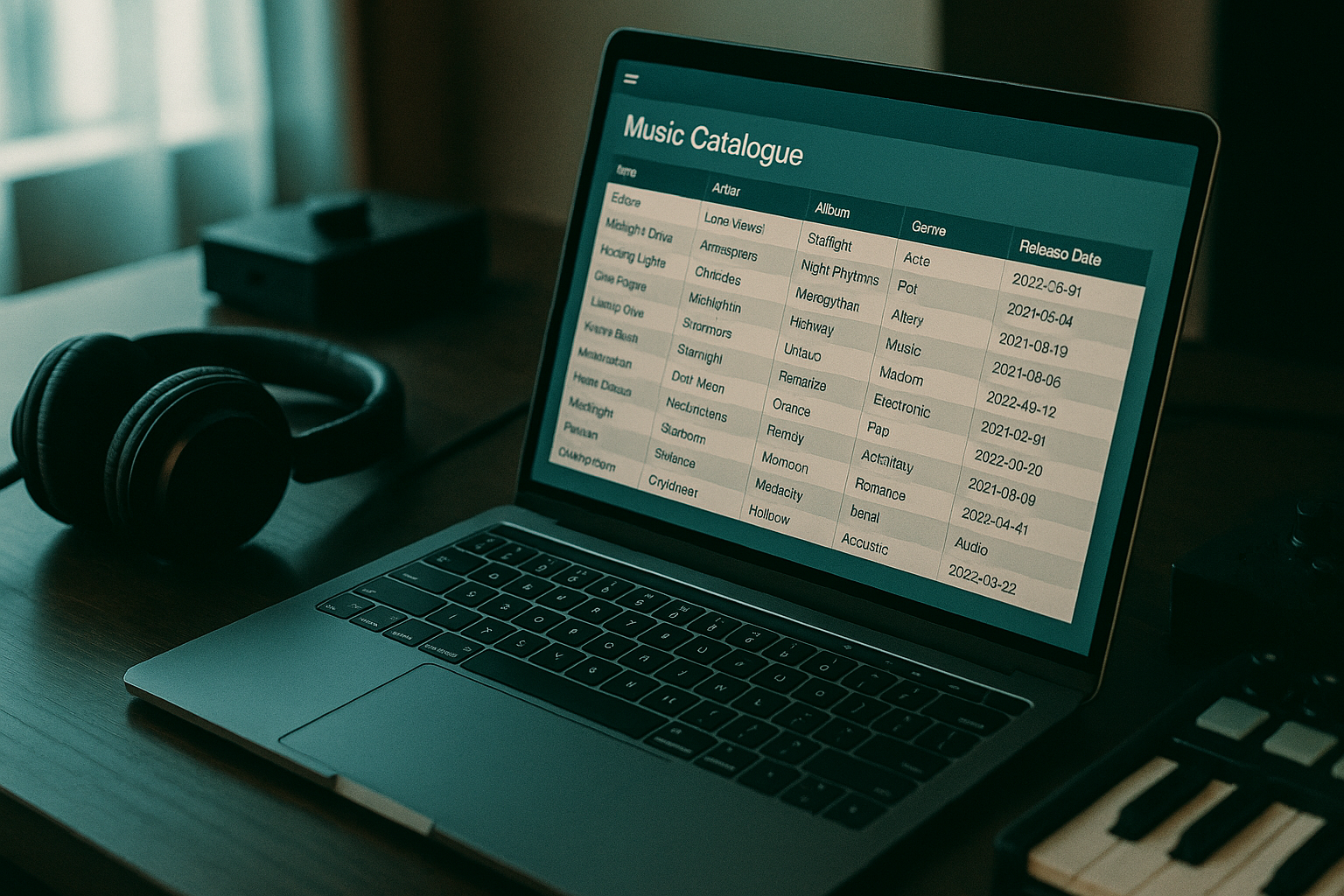
Audit your catalogue. Pull your current metadata from your distributor and cross-reference it against DSP taxonomy standards. Look for missing fields, vague descriptors, and incorrect classifications.
Use the genre and mood taxonomies provided by your distributor. Most distributors now offer dropdown menus or structured tagging fields based on DSP requirements. Use them. Do not freeform tag unless the field allows it.
Be consistent across your catalogue. If you tag one single with detailed mood and energy descriptors, do it for every release. Consistency trains the algorithm to understand your artist profile.
Update your back catalogue. Metadata is not static. DSPs refine their taxonomies regularly. Go back and improve old releases with more detailed tagging. This can trigger re-indexing and new playlist placements.
The long game
Metadata strategy is catalogue strategy. Every tag you add increases your catalogue's surface area for discovery. Every field you complete improves your algorithmic eligibility. Every correction you make protects your revenue.
This is not busywork. This is competitive positioning. Artists and managers who treat metadata as strategic infrastructure will outperform those who treat it as an afterthought. The difference shows up in streams, placements, and revenue over time.
Tag like your income depends on it. Because it does.
Ready to streamline your workflow?
Stop piecing together spreadsheets and scattered notes. Join the waitlist for Music Artist Manager and get your entire rollout in one place.
Written By
Gavin Alexander
Senior Marketeer
As the founder of Music Artist Manager, Gavin has spent years at the intersection of music and technology. Seeing firsthand how chaotic release rollouts and split sheets can be, he designed a platform that brings major-label infrastructure to independent artists and their teams. He writes extensively about industry trends, artist leverage, and workflow optimisation.