How independent artists build industry reputation before they have
How independent artists build industry reputation before they have access, credibility or connections.
Key Takeaways
Reputation is built in rooms you're not in, not on your social feed.
Craft reputation matters, but behavioural and positional reputation are what accelerate independent careers.
Industry professionals trust names they've heard from people they respect, not pitch decks.
Your network is infrastructure, not a contact list. Track it, nurture it, manage it like an asset.
Chris Anakout helped launch Rihanna's career. When asked what matters most in music, he didn't say streams or followers. He said reputation: what people say about you in rooms you're not in. That single insight reframes how independent artists should think about building industry credibility before they have industry access.
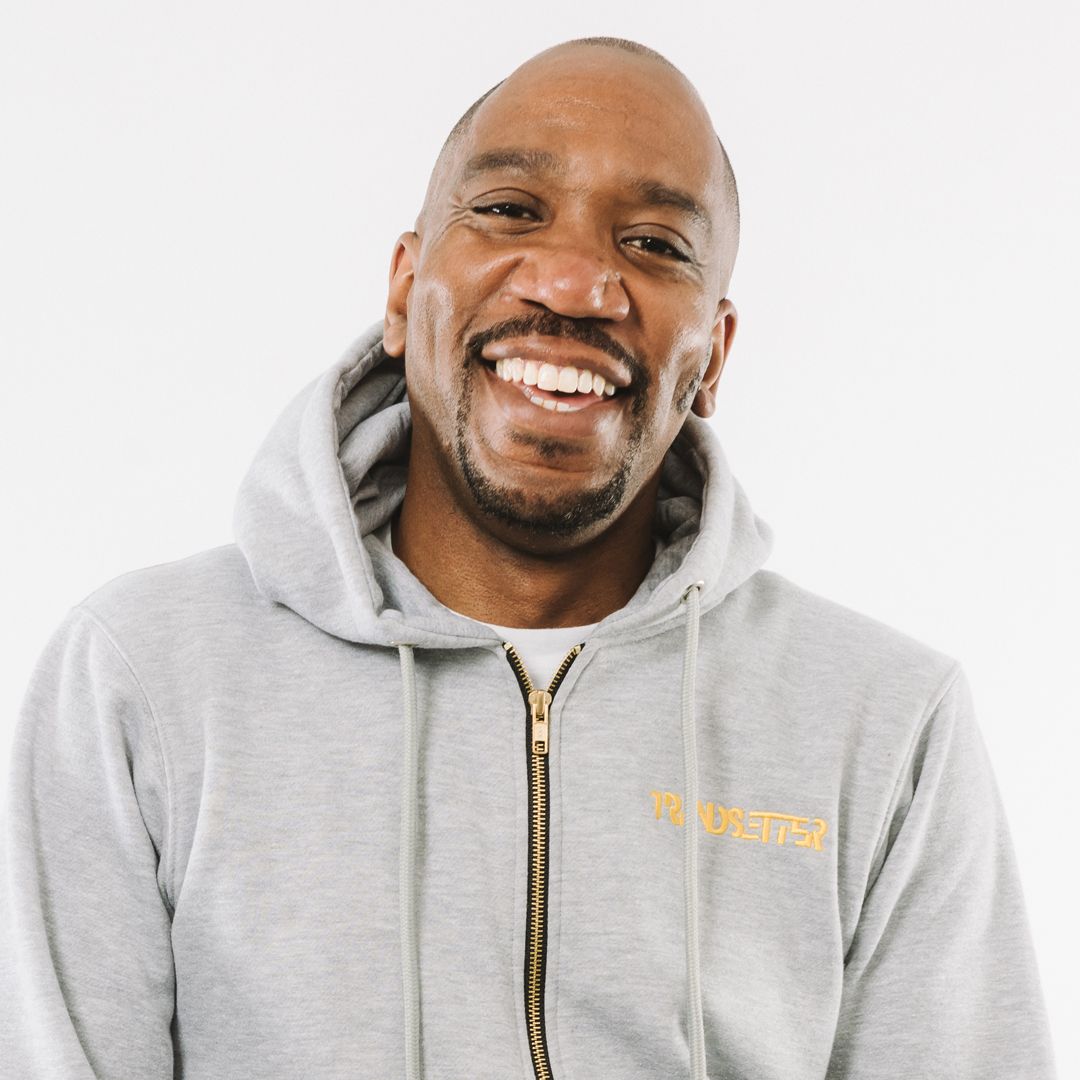
Chris Anakout spent 43 years in A&R. He helped launch Rihanna's first single. He worked with Katy Perry, Zara Larsson, Fifth Harmony. Now he's building Electric Feel Records with Austin Rosen, Post Malone's manager.
When asked what the most valuable currency in music is, his answer had nothing to do with streams or social following.
"My abundance is in the kingdom. That reverence Aaron shown me is extreme wealth. The way people talk about you in rooms when you're not in there."
That single line reframes the entire independent artist playbook. The deal isn't made when you walk into the room. It was made, or lost, long before you arrived.
The shift beneath the surface
Independent artists in 2026 operate in a paradox. You have more distribution power than ever. But the gatekeepers who accelerate careers (A&Rs, sync supervisors, booking agents, label services partners) still move through relationship networks built on reputation.
As the barrier to release has collapsed, the signal-to-noise ratio has made reputation, not output volume, the primary filter. Industry professionals are drowning in pitches. What they trust is the name they've heard in passing from someone they respect.
The question isn't "how many streams do you have?" It's "who already believes in you, and why?"
The three layers of industry reputation
Reputation in the music industry operates on three layers.
Craft reputation. The quality and consistency of the work itself. As Anakout puts it: "Desire, a point of view, and a unique perspective, either vocally or spiritually. Music that makes me want to pay attention. It has nothing to do with how you look or your stream count."
Craft builds the foundation. Without it, nothing else holds.
Behavioural reputation. How you treat collaborators, show up to sessions, respond to feedback, and handle setbacks. Industry is a long game. The producer you paid fairly, the mixer you credited properly, the manager whose time you respected. These are the people who mention your name positively later.
Positional reputation. Being associated with the right contexts, conversations, and communities before you have the credits to justify it. This is the hardest to build and the most valuable. It means being in the ecosystem. Attending showcases, contributing to scenes, working with people one level above you.
Most independent artists only focus on Layer 1. Layers 2 and 3 are where careers actually accelerate.
Who this works for
This is not about networking events or handing out business cards. It is not a shortcut.
This approach works for artists who:
- Already have a body of material with genuine artistic identity (Anakout's principle: "Don't launch without material depth")
- Are willing to operate with a long time horizon. Reputation compounds over 18 to 36 months, not 90 days.
- Can identify specific scenes, collaborators, or industry communities they want to be part of
This will not work for artists who:
- Have no consistent artistic identity yet
- Expect a single introduction or co-sign to change everything
- Treat industry relationships as transactional
How to build reputation infrastructure
Audit your craft first. Before any outreach, build a portfolio of 6 to 10 strong tracks that represent a clear, consistent point of view. Nothing undermines a reputation faster than being introduced to someone and having no material to back it up.
Map your ecosystem. Identify 10 to 15 people who are one level above where you are right now. Not superstars, but credible working professionals. Producers with placements, managers with active rosters, sync coordinators, regional bookers. These are the rooms that matter.
Give before you ask. Offer your skills, your network, or your time. Credit collaborators correctly and publicly. Show up to support other artists. The music industry remembers generosity in both directions.
Create reference points. Every time you release, perform, or collaborate, document it in a way that others can share. Press shots, release assets, performance clips. Reputation travels on shareable evidence.
Activate a "board of belief." Identify 3 to 5 people who genuinely believe in you and have some industry surface area. Keep them informed. Not pitching. Informing. When something important happens, they need to know so they can speak about it naturally in their own rooms.
Track your reputation signals. Who is mentioning you without being asked? Who brought your name into a conversation you weren't part of? These are your leading indicators. Monitor and nurture them.
Use Music Artist Manager's contact and relationship tools to log and track these relationships systematically. A reputation built without a system becomes luck. A reputation built with a system becomes infrastructure.
The CEO shift
Most independent artists think about career development as a marketing problem. More posts, more ads, more pitches, more streams.
But the artists who break through consistently solve a reputation problem first.
Chris Anakout's point is profound precisely because it inverts the logic. The value isn't in what you say about yourself. It's in what gets said when you're not in the room. That means the work, every collaboration, every interaction, every piece of material you release, is simultaneously building the music and building the story that circulates without you.
An independent artist who understands this stops asking "how do I get noticed?" and starts asking "what story am I leaving behind?"
That is the CEO shift: from performer to brand architect.
Use Music Artist Manager's Team & Contacts module to build your industry relationship map. Log every key contact, track interactions, and set follow-up reminders. Your network is an asset. Manage it like one.
Start building your reputation infrastructure today.
Ready to streamline your workflow?
Stop piecing together spreadsheets and scattered notes. Join the waitlist for Music Artist Manager and get your entire rollout in one place.
Written By
Gavin Alexander
Senior Marketeer
As the founder of Music Artist Manager, Gavin has spent years at the intersection of music and technology. Seeing firsthand how chaotic release rollouts and split sheets can be, he designed a platform that brings major-label infrastructure to independent artists and their teams. He writes extensively about industry trends, artist leverage, and workflow optimisation.