Why the Spotify–UMG fan remix deal is a master ownership Wake-Up call for independent artists
What the Spotify–UMG fan remix deal reveals about master ownership — and why indie artists with clean catalogue are sitting on negotiable platform leverage right now.
Key Takeaways
The explosion of UGC and fan remixes turns master ownership into a direct participation right in decentralized creator revenue.
Artists who retain their master rights can authorize remixes, sample packs, and derivative works without label interference.
Major labels are building closed-door remix deals; independent artists must structure clear commercial terms for their stems.
Monetize fan-created virality by maintaining clear ownership records and claim systems across all short-form platforms.
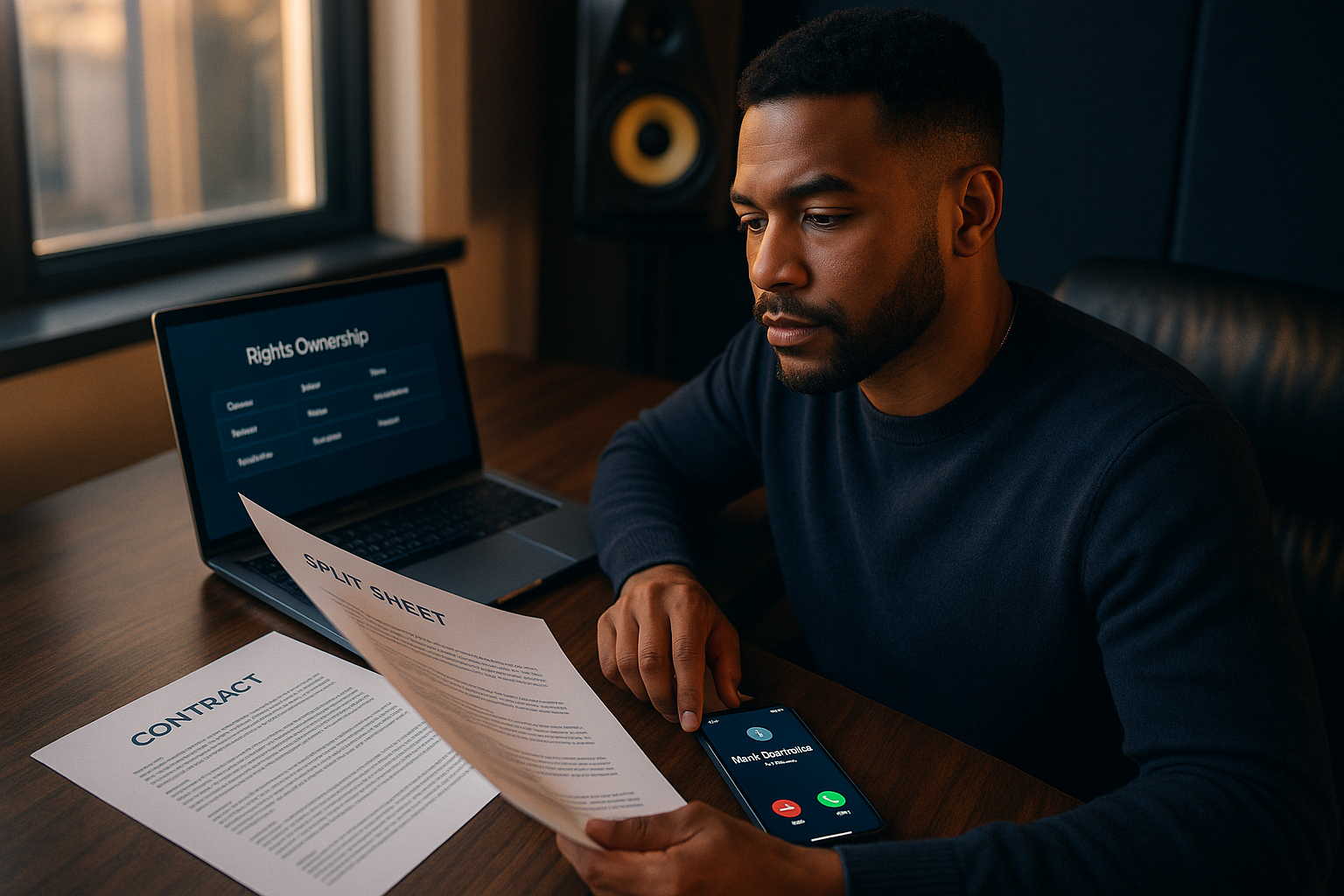
On 21 May 2026, Spotify and Universal Music Group launched a fan remix feature that lets Premium subscribers create covers using intelligent technology. The deal includes revenue sharing for "participating artists," but that phrase hides a structural advantage most independent artists don't know they have. If you own your masters outright, you're sitting on negotiable leverage that major label artists will never control.
On 21 May 2026, Spotify and Universal Music Group announced a landmark licensing deal enabling Premium subscribers to create fan-made covers and remixes of songs using a new intelligent technology tool. The deal includes a revenue-sharing model that lets "participating artists and songwriters directly share in the value generated."
It sounds like a win for artists. But read the fine print and a structural fault line opens up: participating artists means artists whose rights are controlled by UMG. Every indie artist who owns their masters is sitting outside this deal. Not because they can't participate, but because nobody has positioned them to negotiate. The labels moved first. Again.
The template for next-generation platform licensing
The Spotify–UMG deal is not an isolated product launch. It is the template for the next generation of platform licensing.
Intelligent technology is now a revenue layer, not just a production tool. Platforms are building premium paid features (add-ons on top of Spotify Premium) that generate incremental revenue specifically from fan interaction with existing catalogue.
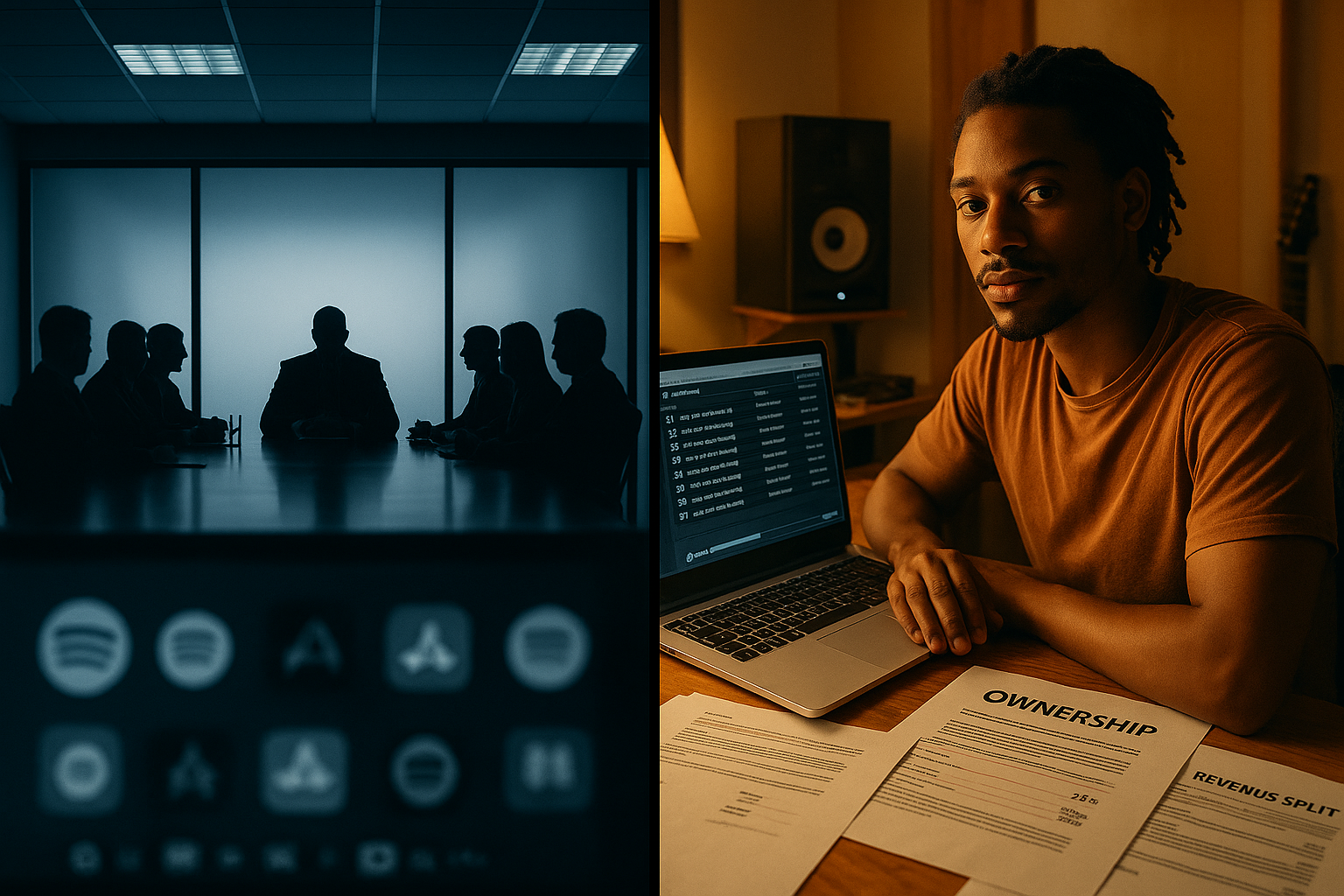
Major labels negotiate blanket licences for their entire roster. Individual signed artists have no agency over whether they're included, what terms apply, or what share they receive. That is determined by their label deal structure.
Independent artists with clean master ownership are structurally more powerful. They can negotiate directly, opt in selectively, and retain a higher share of any revenue generated. But this leverage only exists if they understand it and can demonstrate clear ownership.
Expect Warner Music Group and Sony to follow with similar deals within 12 to 18 months. The window to get ahead of this as an independent artist is now.
What "participating" actually means in a deal like this
The revenue flow in a platform licensing arrangement typically runs: Platform → Label/Distributor → Artist.
For a major label artist, the label controls opt-in and negotiates terms on behalf of the entire catalogue. The artist's share is then filtered through their recording contract royalty rate (often 15 to 25% after recoupment).
For an independent artist who owns their masters outright:
- There is no label taking a cut of the master recording revenue
- Participation would be negotiated directly between the artist (or their manager) and the platform
- The split is negotiable, and the artist has 100% of the leverage on the master side
Key concepts you must understand before entering any such deal
**Master recording rights:** who owns the original recording (the "master").
**Publishing / composition rights:** who owns the underlying song (separate from the master).
**Sync vs. master licensing:** fan remix tools touch both. You need both to be clean.
**Opt-in vs. blanket licensing:** major labels opt entire rosters in. Independents can choose track by track.
This is for you if:
- You own 100% of your master recordings (no label deal, no co-ownership agreements unresolved)
- You have your publishing registered (PRS, ASCAP, BMI, or equivalent) with clear splits documented
- You have released at least 6 to 12 months of catalogue with consistent streaming data (platforms want demonstrated audience value)
- You have a manager or legal representative who can approach platform partnerships teams
This is not for you if:
- You have unsigned agreements with producers or co-writers that cloud master ownership
- You have never registered your compositions with a PRO
- You are signed to a label or distributor with revenue share clauses on new platform deals
What to do right now
1. Audit your master ownership today
Pull every release. Confirm in writing who owns the master for each track. If there's ambiguity (beat leases, co-production deals, unregistered collaborators), address it now before any platform deal becomes possible.
2. Register all compositions with your PRO
Every song should have a registered ISWC (International Standard Musical Work Code) and be filed correctly. This is the publishing side of the deal, and it matters for fan remix licensing just as much as the master.
3. Document your catalogue in a central system
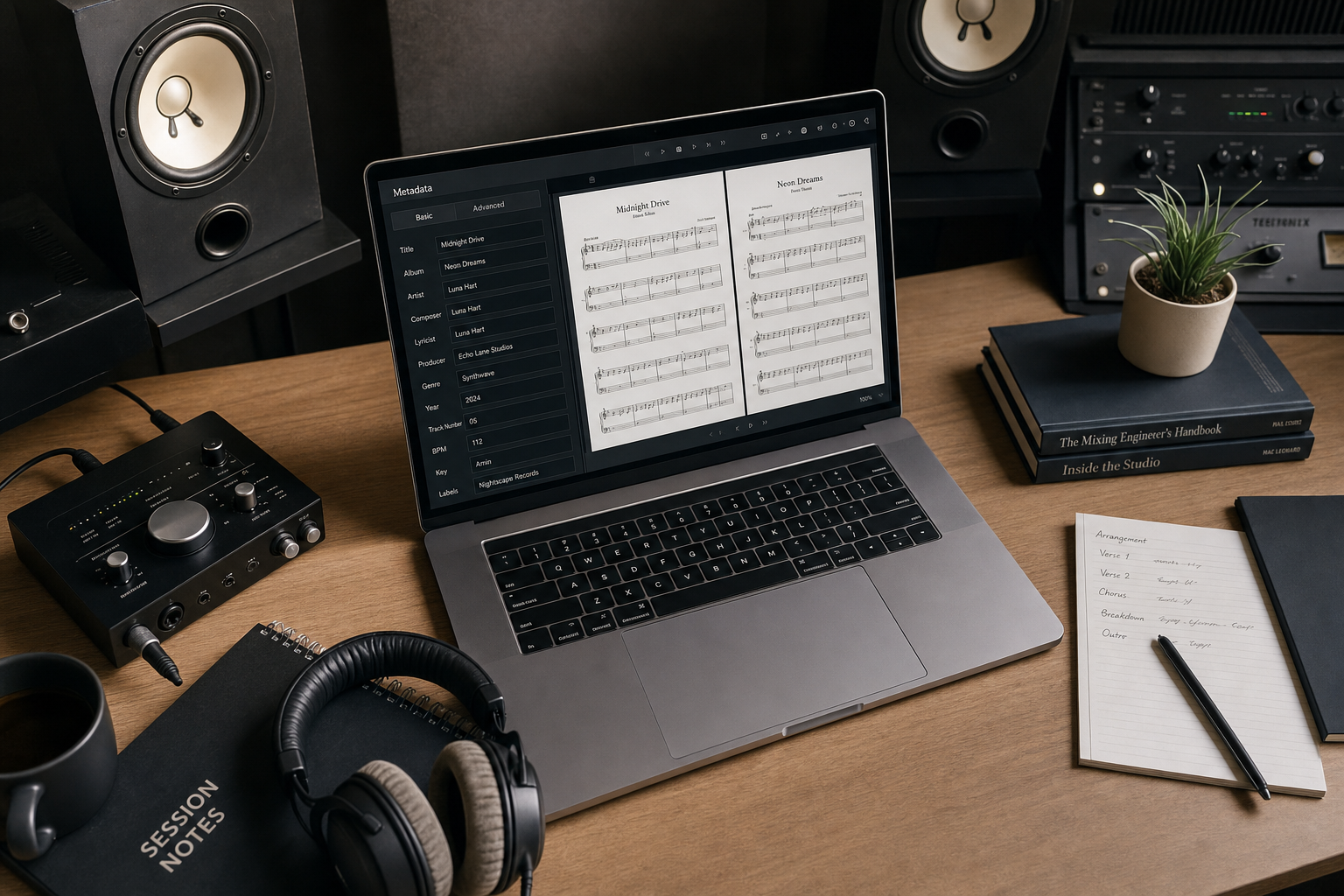
Title, ISRC, ISWC, master ownership percentage, publishing splits, release date, distributor. This is your negotiation evidence pack. Use Music Artist Manager's catalogue management tools to build this systematically.
4. Brief your manager or legal rep on platform licensing opportunities
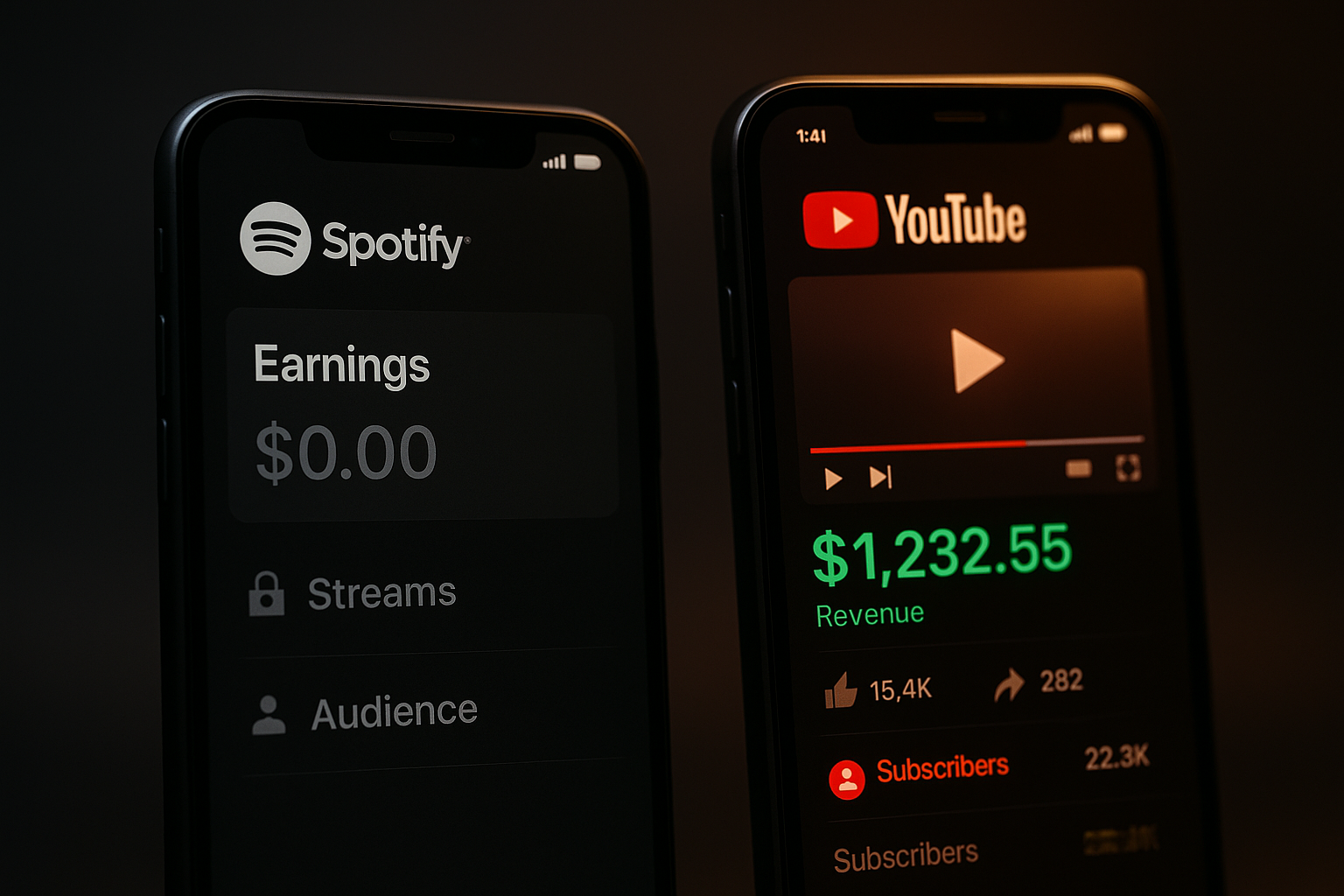
Spotify, Apple Music, Amazon Music, and YouTube are all building fan interaction features. Your manager should be monitoring these announcements and flagging deals where your catalogue qualifies.
5. Make a targeted approach to your distributor
Ask explicitly: does our distribution agreement include any platform licensing that covers fan-generated content? If so, what are the terms? If not, is there a route to opt in directly? DistroKid, TuneCore, and CD Baby are all navigating these questions. Your distributor's partnerships team is the first port of call.
6. Build a Spotify for Artists profile with complete metadata
Editorial relationships and direct platform contact begin here. A complete, verified profile with up-to-date team contacts signals readiness to participate in platform programmes.
Master ownership is a commercial asset
Most independent artists watched the Spotify–UMG announcement and thought: "That's for big artists." A savvy manager read it and thought: "That's the leverage we need to build towards."
The labels moved quickly because they have infrastructure. Legal teams, partnerships directors, blanket licensing precedents. What the independent artist has, that the label artist does not, is direct control. No label intermediary. No recoupment wall. No roster negotiation where your catalogue is bundled with 300 other artists to sweeten a deal that benefits the label more than you.
Master ownership is not a badge of honour. It is a commercial asset. The moment platforms start paying for access to catalogue in new ways (and they are paying, right now), every artist who owns their masters is sitting on a negotiating position. The ones who understand that are the ones who will show up at the table. The rest will read about the deal afterwards and wonder why they weren't included.
Own your masters. Document everything. Build the infrastructure before the opportunity arrives.
For more on how to position your catalogue for direct licensing opportunities, read our guide on sync licensing and the one-stop edge. If you're thinking strategically about where streaming fits in your revenue mix, start with why you should stop advertising on Spotify. And if you want to make sure you're capturing every dollar your catalogue generates, run through our royalty audit checklist.
Use Music Artist Manager's Splits and Tracks to centralise your ISRC codes, master ownership records, and publishing splits so when a platform licensing opportunity lands, your evidence pack is ready in minutes, not months.
---
**Sources:**
-Spotify and Universal Music Group Announce Landmark Licensing Agreements for Fan-Made Covers and Remixes— Spotify Newsroom
-Spotify and Universal Music strike deal allowing fan-made AI covers and remixes— TechCrunch
-Spotify and Universal Music Announce Agreements for Fan-Made Covers— Variety
Ready to streamline your workflow?
Stop piecing together spreadsheets and scattered notes. Join the waitlist for Music Artist Manager and get your entire rollout in one place.
Written By
Gavin Alexander
Senior Marketeer
As the founder of Music Artist Manager, Gavin has spent years at the intersection of music and technology. Seeing firsthand how chaotic release rollouts and split sheets can be, he designed a platform that brings major-label infrastructure to independent artists and their teams. He writes extensively about industry trends, artist leverage, and workflow optimisation.