The cultural compounding effect: Why your back catalogue generates more than just passive income
How to turn your back catalogue into recurring revenue through licensing, merch, and strategic re-releases.
Key Takeaways
Your back catalogue isn't a static asset. It's a revenue engine that compounds when you work it correctly.
Old releases drive new fan acquisition when you reposition them strategically across licensing, merch, and live sets.
Cultural relevance doesn't fade on its own. It fades because most artists stop promoting after week one.
Every track you've released is a sync opportunity, a sample source, and a reason for someone to discover you today.
Your back catalogue isn't just old music collecting dust on Spotify. It's a revenue engine that compounds cultural relevance, drives new fan acquisition, and opens licensing and merch opportunities most artists ignore. This article breaks down how to actively manage your older releases so they keep working for you, not against you.
Your back catalogue is not a static asset. It is working inventory.
Every release you have ever put out, whether it performed or not, can generate new revenue, attract new listeners, and reinforce your positioning in the market. The key is understanding that old releases do not earn based on nostalgia alone. They earn because you treat them like renewable resources and give them reasons to re-enter circulation.
This is the cultural compounding effect. It is the measurable, repeatable process of making older work relevant again so it drives income across multiple channels: streaming, sync, merch, tickets, and catalogue sales.
Most independent artists release music, promote it for six weeks, then move on. That approach leaves money on the table. Your catalogue should be working for you long after release week ends. This article breaks down how to make that happen.
What cultural compounding actually means
Cultural compounding is not about virality. It is about visibility over time.
When you re-promote an older song, place it in a sync, reference it in new content, or add it to a fresh playlist, you create a touchpoint. Each touchpoint has the potential to introduce that song to someone who did not hear it the first time. Those new listeners then explore the rest of your catalogue. They follow you. They buy tickets. They stream your new releases.
This is why catalogue strategy matters. A single song that gets rediscovered can drive traffic to your entire discography. That traffic converts into revenue across multiple formats.
The artists who understand this do not treat their catalogue like a graveyard. They treat it like a distribution network that keeps expanding.
How back catalogue drives revenue beyond streaming royalties
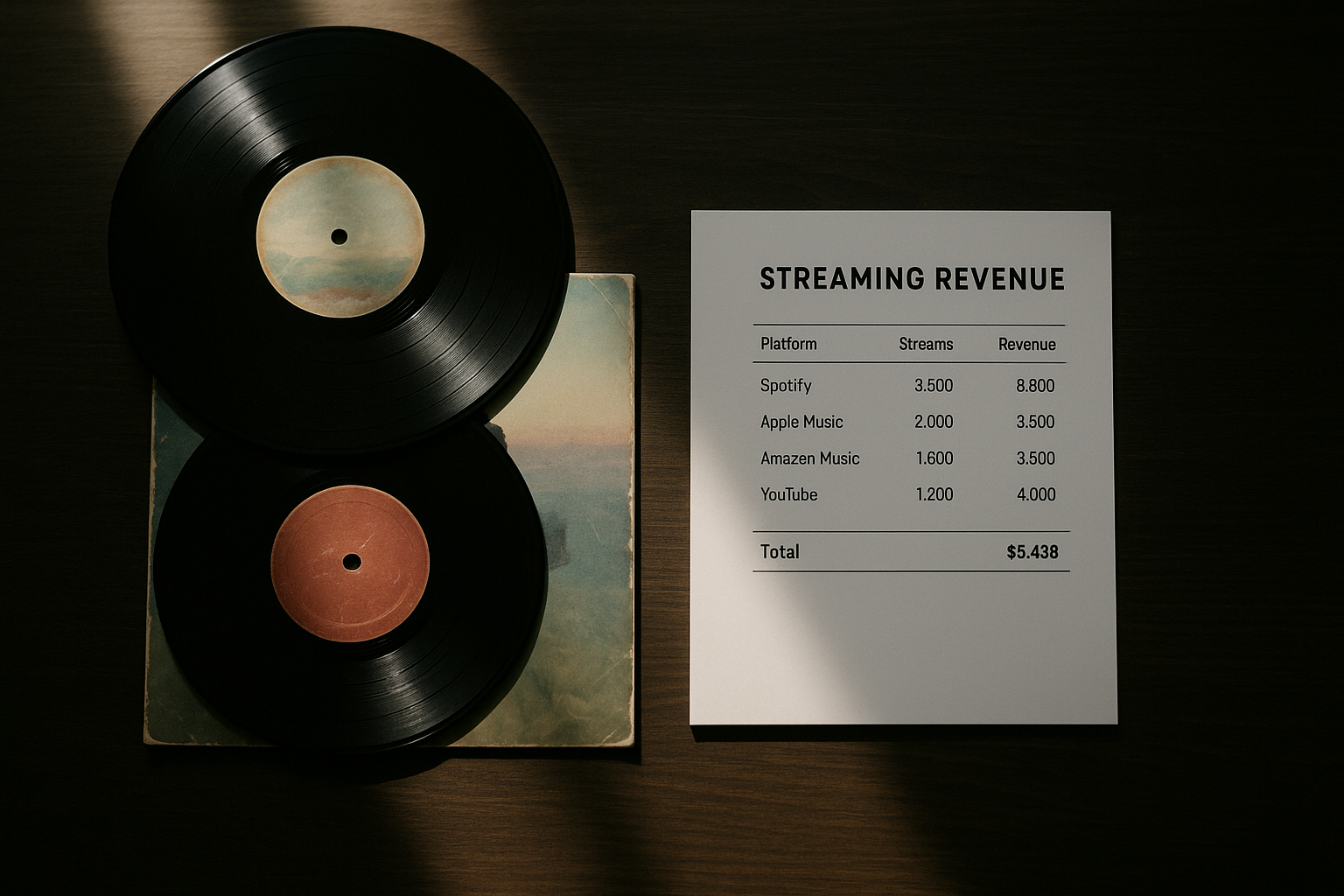
Streaming royalties are real income, but they are not the only income your catalogue generates.
Here are the other revenue streams your back catalogue feeds:
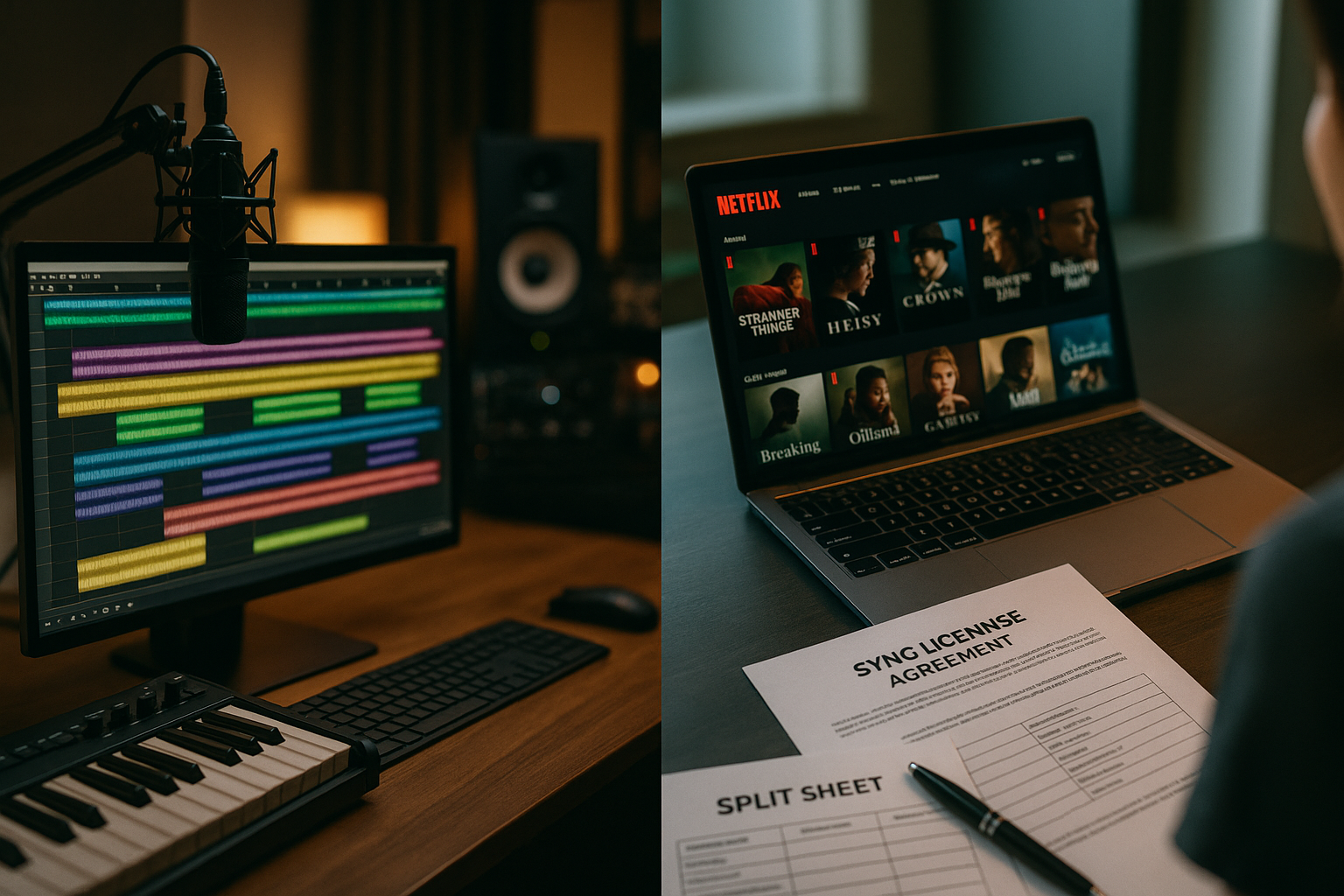
Sync licensing. Every song in your catalogue is a potential sync placement. Supervisors often dig through an artist's older work when sourcing. A song you released three years ago could land in a series, ad, or trailer tomorrow. That placement pays upfront fees and backend royalties. It also drives streams and discovery.
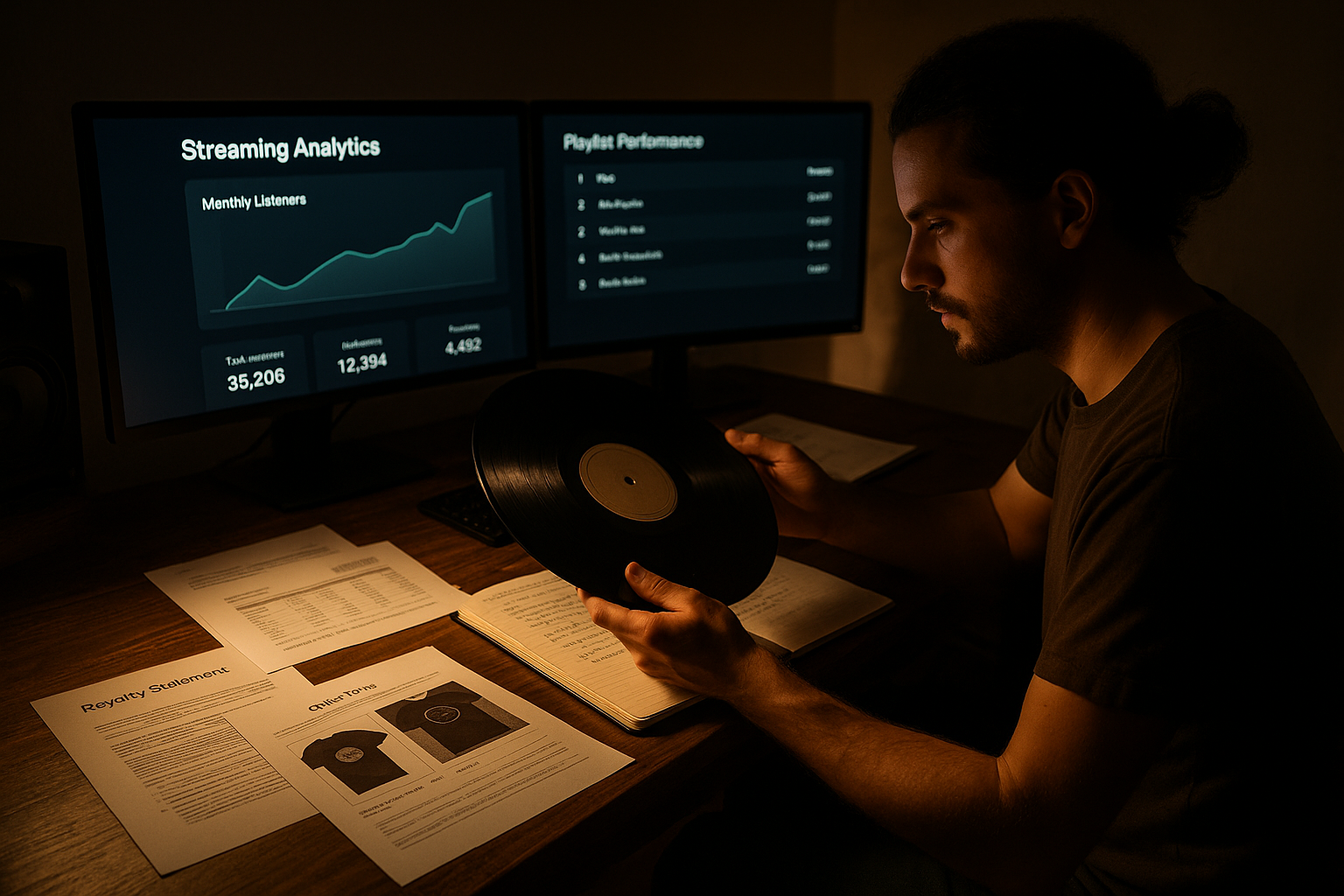
Merchandise sales. When you re-promote older work, you create context for merch tied to that era. Fans who discover a song from 2021 will buy a shirt if you give them the opportunity. Merch margins are high. Catalogue gives you more products to sell.
Live performance demand. Catalogue depth makes you bookable. Promoters and venues want artists who can hold a crowd for a full set. A deep catalogue with recognizable songs increases your perceived value and allows you to command higher guarantees.
Catalogue licensing and acquisition interest. If you ever plan to license or sell your catalogue, active performance matters. Buyers evaluate catalogues based on consistent earning potential. A catalogue that still generates streams, placements, and engagement is worth more than one that has gone dormant.
New fan acquisition. Old songs act as entry points. A listener who discovers your 2020 single through a playlist will check your profile. If they like what they hear, they follow and stream everything. That is how catalogue depth accelerates growth.
Your back catalogue is not passive. It is a multi-channel income engine if you treat it that way.
Why most independent artists underutilize their catalogue
Most artists release music, then forget about it. They assume the algorithm will surface it or that it will find its audience naturally.
That does not happen.
Here is what usually goes wrong:
No post-release strategy. Artists focus all promotion on the first four to six weeks after release. After that, the song gets no support. Streams decline. Momentum stops. The song becomes invisible.
No catalogue maintenance. Metadata gets outdated. Playlists are not refreshed. Older songs are not added to new campaigns or paired with fresh content. The catalogue sits there, earning pennies, because no one is pushing traffic to it.
No re-promotion windows. Artists do not plan regular touchpoints for older work. They do not use anniversaries, milestones, or new placements as reasons to re-surface songs. The catalogue becomes static.
No cross-promotion with new releases. When new music drops, artists do not direct listeners to
Ready to streamline your workflow?
Stop piecing together spreadsheets and scattered notes. Join the waitlist for Music Artist Manager and get your entire rollout in one place.
Written By
Gavin Alexander
Senior Marketeer
As the founder of Music Artist Manager, Gavin has spent years at the intersection of music and technology. Seeing firsthand how chaotic release rollouts and split sheets can be, he designed a platform that brings major-label infrastructure to independent artists and their teams. He writes extensively about industry trends, artist leverage, and workflow optimisation.