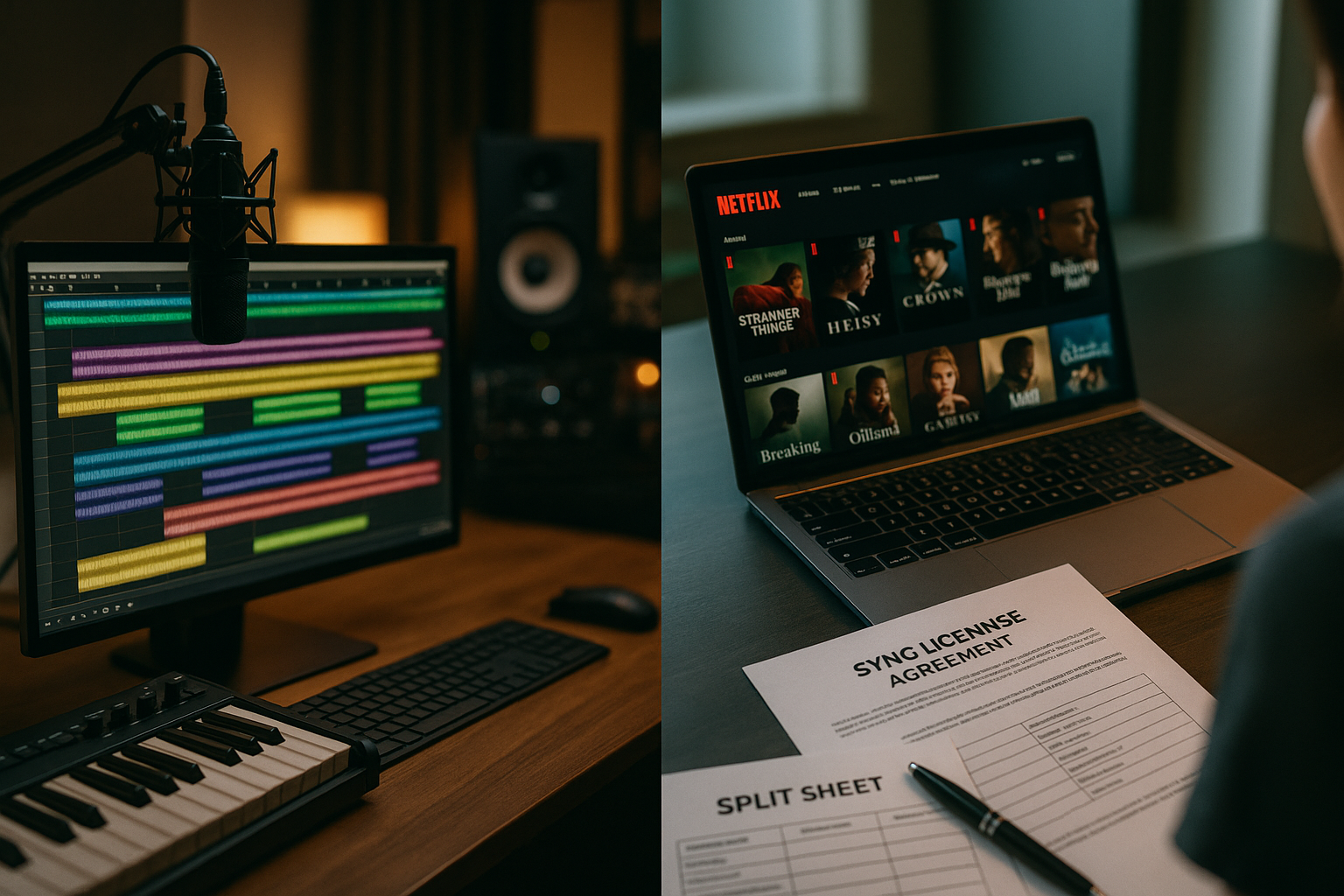
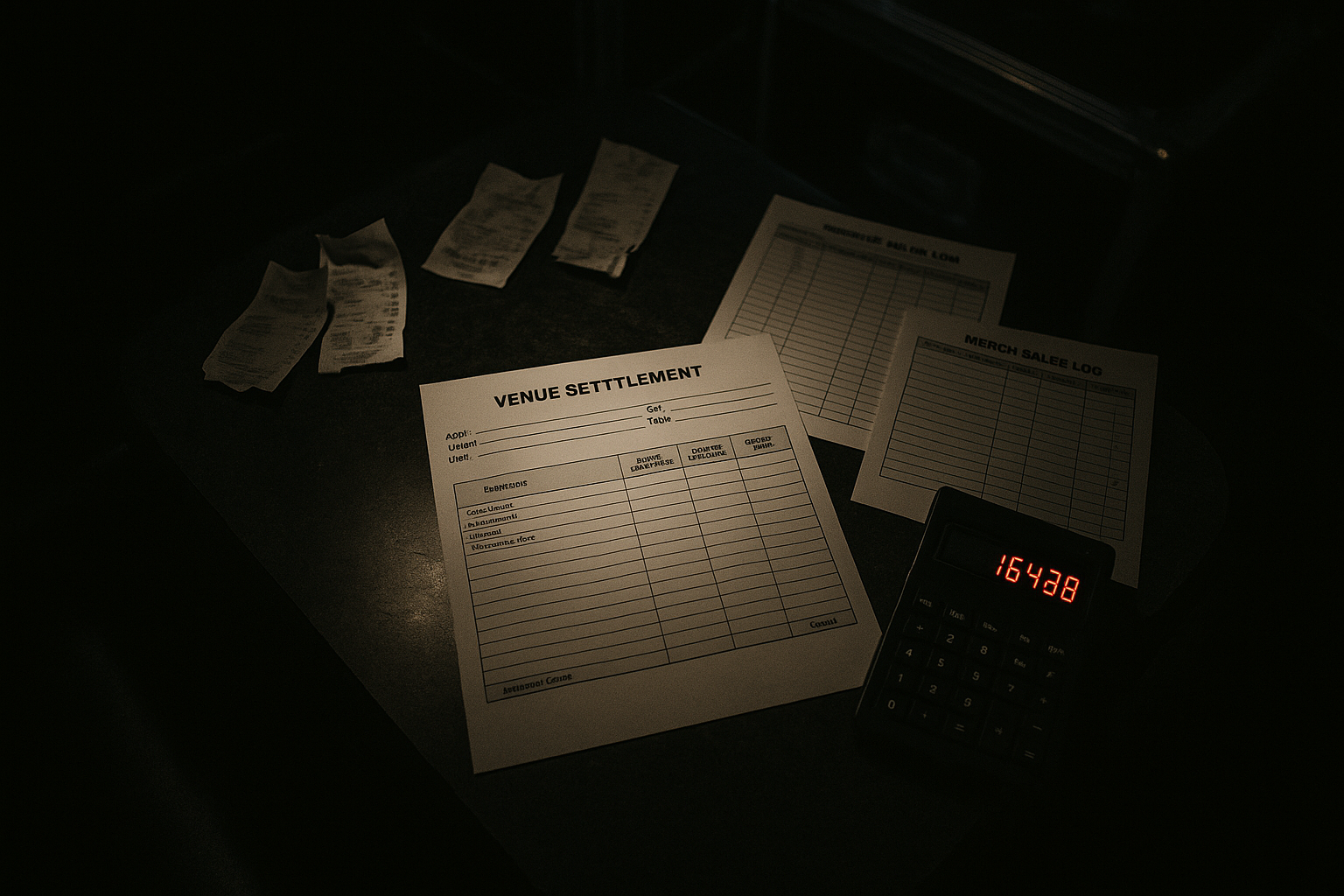
Unlocking revenue: Building and managing your artist's digital vault
How to build a digital vault that tracks every stem, split, and royalty source so you stop leaving money on the table.

Key Takeaways
Organise your session files now. Future licensing deals depend on clean catalogue management, not guesswork.
Register every track with your PRO. Unregistered works cost you real money every quarter they sit dormant.
SoundExchange collects digital performance royalties most managers miss. Set up your account and claim what you're owed.
Catalogue value grows when your admin is tight. Operational clarity builds trust and opens doors for better deals.
How to build a digital vault that tracks every stem, split, and royalty source so you stop leaving money on the table.
Why most artists lose thousands in unclaimed royalties (and how to stop it)
You don't need another Spotify playlist strategy. You need a digital vault.
Most independent artists treat their catalog like a folder on their desktop. Session files scattered across hard drives. No documentation of who played what. No splits logged. No PRO registrations updated since 2019.
Then a sync opportunity comes through, and you can't deliver stems in 48 hours. Or your producer asks about their backend points, and you realize nothing was ever formalized. Or worse, you find out a song has been streaming on Pandora for two years and SoundExchange has $4,000 sitting in your name that you never claimed.
This isn't about being organized for the sake of it. This is about not leaving your money on someone else's table.
Start with catalog management, not marketing
Before you think about your next release, audit what you already own.
Every song you've ever released needs documentation. Session files. Stems. Metadata. Writer splits. Producer agreements. Master ownership percentages. If it's not written down and stored systematically, it doesn't exist in a negotiation.
Use a tool that works for you. Google Sheets is fine if you're disciplined. Platforms like Disco give you more structure if you need it. The tool doesn't matter. The habit does.
For every track, log:
- Song title and ISRC
- All writers and their split percentages
- All producers and their points
- Session file location
- Stem export location
- PRO registration status
- Neighboring rights registration status
This is the foundation. Without it, you're guessing at your own business.
Register everything with your PRO
ASCAP and BMI are not optional. They are infrastructure.
Every song you release should be registered with your Performance Rights Organization within 30 days. Not when you remember. Not when someone emails you about a sync. Immediately.
Taylor Swift didn't rebuild her catalog and re-record her masters without understanding exactly what she owned and where every royalty stream lived. That level of control starts with registration discipline.
If you're working internationally or have placements outside the U.S., research regional PROs. Some countries have collection societies that won't talk to ASCAP or BMI automatically. You need to register directly, or you're leaving performance royalties uncollected.
Set a calendar reminder every quarter. Go into your PRO account. Cross-check your registered works against your actual releases. If something is missing, fix it that day.
Don't ignore SoundExchange
SoundExchange collects digital performance royalties when your music plays on non-interactive platforms. Pandora, SiriusXM, iHeartRadio. These are separate from the royalties your distributor pays you.
Most independent artists never register. The money just sits there.
Drake's team doesn't miss revenue streams. Neither should you. Create your SoundExchange account. Register your catalog. Check it twice a year. The royalties add up, especially if you have older tracks with long tails on internet radio.
This isn't passive income. This is income you already earned that you're choosing not to collect.
Build trust with your team through operational clarity
When your splits are documented, your stems are organized, and your registrations are current, you're not just protecting revenue. You're building trust.
Your producer knows they'll get paid. Your co-writer knows their backend is protected. Your manager knows they can move fast when opportunities come in. That trust turns into better collaborations, faster deal cycles, and longer-term partnerships.
The artists who scale aren't the ones with the most talent. They're the ones who run their catalog like a business, because that's what it is.
Start today. Pick five songs. Document everything. Register what's missing. Build the vault one track at a time.
Your catalog is worth more than you think. Treat it that way.
Related Reading:
- [How to Maximize Catalog Value](URL)
- [Understanding Music Royalties](URL)
Ready to streamline your workflow?
Stop piecing together spreadsheets and scattered notes. Join the waitlist for Music Artist Manager and get your entire rollout in one place.
Written By
Gavin Alexander
Senior Marketeer
As the founder of Music Artist Manager, Gavin has spent years at the intersection of music and technology. Seeing firsthand how chaotic release rollouts and split sheets can be, he designed a platform that brings major-label infrastructure to independent artists and their teams. He writes extensively about industry trends, artist leverage, and workflow optimisation.