2026 is the new 2016: Why the music industry can't ignore the nostalgia wave
Gen Z are streaming music from the 1990s and 2000s more than ever, and your catalogue strategy needs to catch up.

Key Takeaways
Streaming of 1990s and 2000s music is growing faster than any other decade right now.
Gen Z are buying cassettes for nostalgia they never lived through, and the data proves it.
Your old catalogue is more valuable today than when you first released it.
Fans of 2010s music are 61% more likely to buy products endorsed by artists they follow.
The 2010s are about to have their moment (and your catalogue strategy isn't ready)
If you released music between 2010 and 2019, you're sitting on an asset you're probably ignoring.
The 1990s and 2000s are peaking right now. Streaming growth for those decades is outpacing everything else. But the 2010s? They're lagging at 2% year-over-year growth while the 1990s hit 8%.
That lag is temporary. And predictable.
How nostalgia actually works
People lock in their core music taste between ages 12 and 18. That preference stays with them. Twenty years later, when they have kids, those kids grow up hearing their parents' music on repeat. By the time that second generation hits their teens, they're primed to engage with the exact music their parents were streaming in high school.
Luminate calls this the intergenerational music theory. It's not a theory anymore. It's a documented cycle playing out in streaming data right now.
Someone born in 1985 formed their taste between 1997 and 2003. They had kids around 2011. Those kids are 15 now in 2026, and they're the reason Y2K-era tracks are charting. This is why PinkPantheress connects. Why Addison Rae's entire sonic palette makes sense. It's a 20-year lag between taste formation and cultural resurgence.
The cohort born in the 1990s and 2000s is now entering their twenties. They grew up hearing 2010s music from older siblings, parents, early childhood media. The model says the 2010s are due within the next 3 to 5 years.
What the streaming data actually shows
Luminate tracked on-demand audio growth across the top 35,000 catalogue titles released between 1970 and 2015. Here's Q2 2025 year-over-year growth:
- 1970s: 5%
- 1980s: 5%
- 1990s: 8%
- 2000s: 7%
- 2010s (2010–15 only): 2%
The 1990s and 2000s are surging. The 2010s are underperforming. But right now, only 49% of U.S. listeners actively engage with 2010s music. That's the lowest share of any recent decade. The 1990s sit at 64%.
That 15-point gap is pent-up demand waiting for the right trigger.
What this means if you have 2010s catalogue
Start planning now. Not in two years when the wave is already cresting.
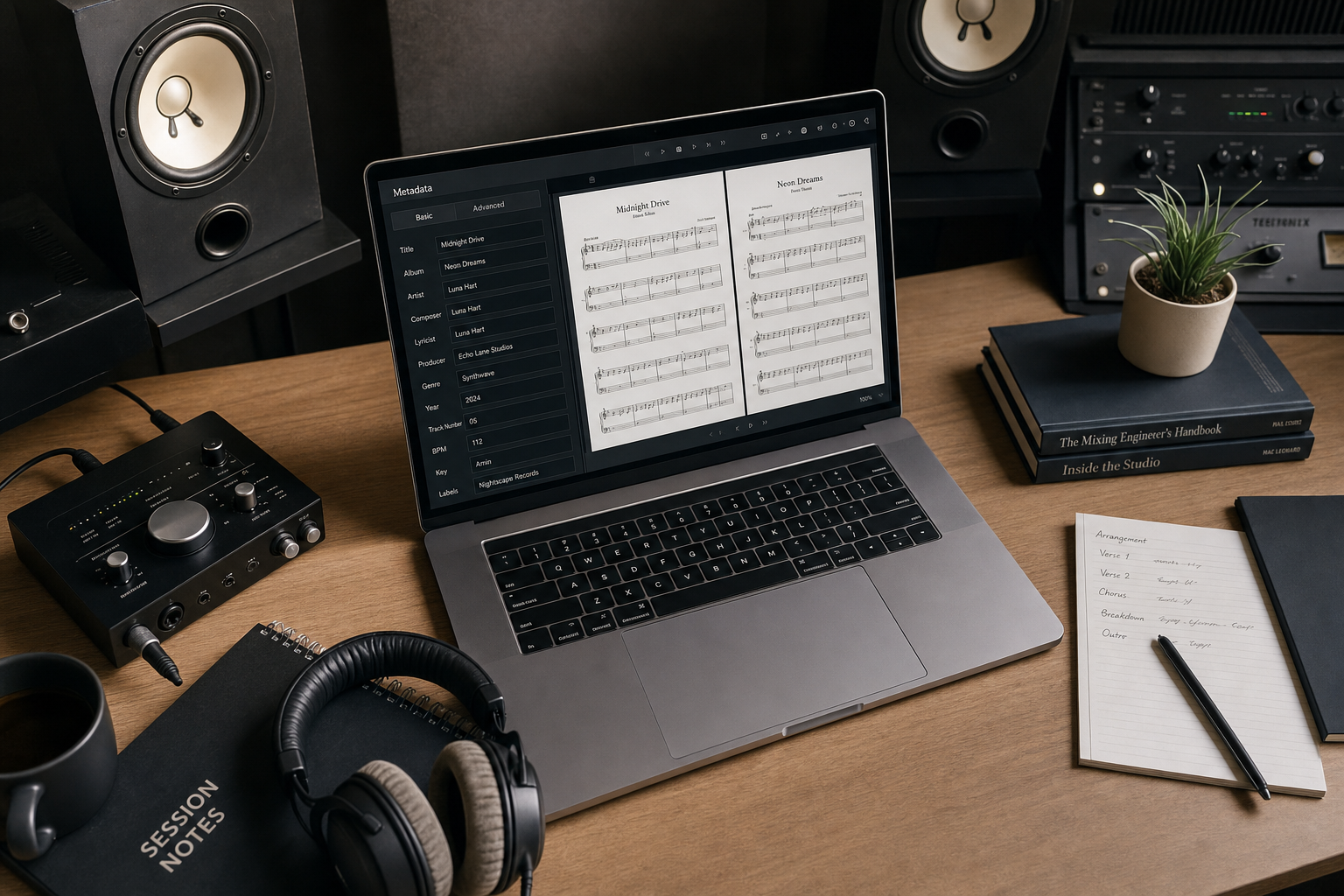
Update your metadata. Make sure every track has clean, accurate information across all DSPs. Refresh cover art if it looks dated or low-res. Pitch those tracks to editorial playlists under throwback, nostalgia, or decade-specific themes.
Consider releasing alternative versions. Acoustic cuts, live recordings, or remasters with updated mixing. The goal is to give streaming algorithms and playlist curators a reason to resurface old material.
Monitor your streaming data for unusual upticks. If a 2014 track suddenly starts climbing without promotion, investigate immediately. Is it showing up in user-generated content? Did it get placed in a show or film? If you can identify the source, you can amplify it before the moment passes.
Your 2015 EP might be worth more in 2027 than it was on release day. Treat catalogue like an asset, not an archive.
Gen Z is streaming music older than they are
Between 2021 and 2025, the share of 13-to-24-year-olds who favour 1990s-or-earlier music climbed from 18% to 25%. That's a 7-point shift in four years.
At the same time, their preference for 2020s music dropped from 55% to 44%.
This doesn't mean new music is failing. It means younger listeners are splitting their attention across decades in ways that didn't happen before. Algorithms make every era equally accessible. Social platforms resurface old tracks through memes, challenges, and user-generated content. The monoculture is dead. Micro-niches are winning.
If your sound leans retro, analog, or references 1990s/2000s production, lean in harder. The audience is already primed. But only if it's authentic to your project. Pastiche without perspective reads as hollow every time.
Catalogue tracks are outperforming new releases
The ten fastest-growing catalogue tracks in 2025 were all from the 1990s or 2000s. Radiohead's "Let Down" grew 685% year-over-year. Imogen Heap's "Headlock" jumped 419%. Black Eyed Peas' "Rock That Body" surged 705%.
These weren't reissues. They weren't anniversary campaigns. They were old songs finding new audiences through TikTok trends, streaming TV placements, and algorithmic discovery.
If you have back catalogue, monitor it the same way you monitor new releases. Set up alerts for unusual streaming activity. Check your royalty dashboards monthly, not quarterly. If something spikes, you need to know within 48 hours so you can pitch it to playlists, create social content around it, and drive the momentum further.
Catalogue streaming growth is outpacing new music in multiple decades right now. Your oldest releases might be your highest ROI opportunity.
The Stranger Things effect keeps happening
When "Stranger Things" season 5 dropped in January 2026, Prince's "Purple Rain" spiked from 4 million to 20 million global streams in one week. "When Doves Cry" went from 1.5 million to 6 million.
This is the same pattern Kate Bush saw with "Running Up That Hill" in season 4. One sync placement in a culturally dominant show resurrects a decades-old track and creates a new revenue stream overnight.
You can't manufacture this. But you can be ready for it.
Make sure your catalogue is properly registered with all PROs and publishers. Ensure metadata is clean and complete across every DSP. Have social assets ready to deploy if a track spikes. Know who to contact at your distributor for emergency playlist pitching.
If a song jumps 300% in a week and you're still figuring out who owns the master, you've already lost the window.
Physical formats are selling because of nostalgia
Luminate surveyed music purchasers and asked them directly why they're buying CDs, vinyl, and cassettes. The top answer across all age groups was nostalgia.
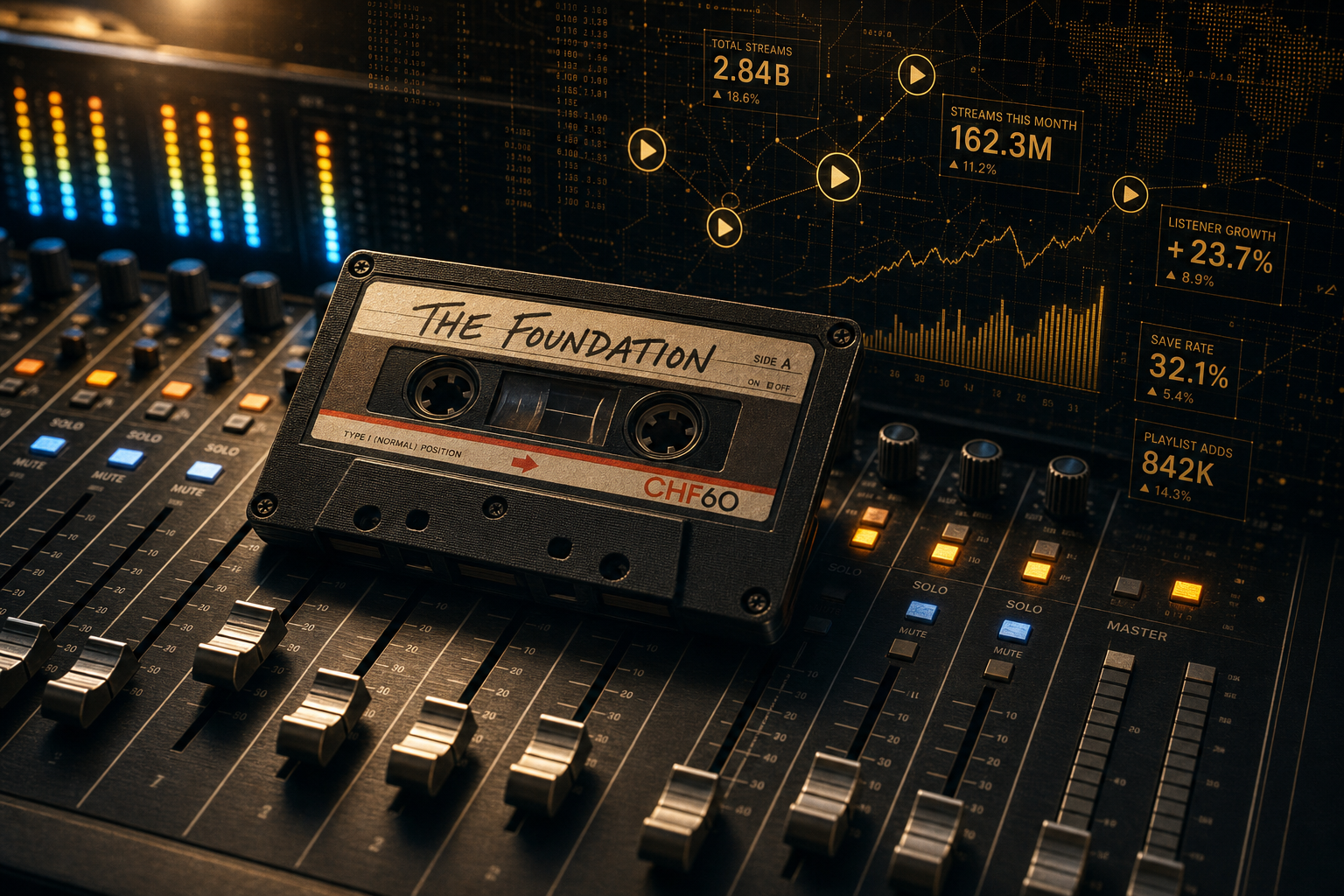
For cassettes specifically, 41% of Gen Z buyers cited nostalgia as an important factor. Gen Z is buying nostalgia for an era they never experienced firsthand because they've been culturally primed for it through social media, streaming TV, and algorithmic content feeds.
If you're running a direct-to-fan store, test limited physical SKUs tied to retro aesthetics. Cassette runs with intentionally lo-fi packaging are connecting with younger buyers. This isn't a mass-market play. It's a high-margin, low-volume SKU for your most engaged fans.
The margins on physical are better than streaming. The brand value is higher. And right now, the cultural moment is aligned.
What to do with this information
If you released music in the 2010s, position it for a nostalgia wave within the next 3 years. Update assets now. Refresh metadata. Consider deluxe or alternative releases that give algorithms and curators a reason to resurface old material.
If your sound naturally leans retro, double down on the visual and sonic cues that signal it. Album art, video aesthetics, and merch design that reference 1990s/2000s culture are performing. But only if it's authentic to your project.
If you have older catalogue, monitor it like you monitor new releases. Streaming growth in the 1990s and 2000s is outpacing new music. Your 2007 album might be more valuable now than it was at launch.
Test physical formats tied to nostalgia aesthetics. Cassettes and CDs are selling to buyers who never used them the first time around.
Don't chase this if it's not authentic to your project. But if it is, understand that the cultural conditions are unusually favourable right now.
Nostalgia isn't random. It's cyclical, predictable, and backed by streaming data you can act on today.
Your catalogue strategy should reflect that.
Ready to streamline your workflow?
Stop piecing together spreadsheets and scattered notes. Join the waitlist for Music Artist Manager and get your entire rollout in one place.
Written By
Gavin Alexander
Senior Marketeer
As the founder of Music Artist Manager, Gavin has spent years at the intersection of music and technology. Seeing firsthand how chaotic release rollouts and split sheets can be, he designed a platform that brings major-label infrastructure to independent artists and their teams. He writes extensively about industry trends, artist leverage, and workflow optimisation.