Building compound catalogue value beyond passive streaming
Learn how to turn your back catalogue into active revenue using reactivation tactics, repurposed stems, and historical data to drive current growth.
Key Takeaways
Your catalogue isn't a retirement fund. It's your highest-leverage asset right now.
Historical streaming data tells you exactly what your audience wants before you spend a dollar.
Repurposing stems and masters creates new content without new recording sessions or studio time.
Reactivating older tracks through playlisting and sequencing drives algorithmic discovery better than most new releases.
Most artists treat their back catalogue like a pension fund. Something that generates passive income while they focus on what's next. That's leaving serious money on the table. Your old tracks are not just royalty streams. They're data sources, content engines, and revenue multipliers that should be working as hard as your latest single.
Most independent artists treat their back catalogue like a pension fund. Release it, collect the royalties, and move on to the next thing. That's leaving money on the table.
Your catalogue is not a retirement account. It's working capital. Every track you've released contains reusable equity: stems, session files, metadata, performance rights, sync potential, and fan behavior data. The question isn't whether it's earning. It's whether you're actively managing it.
Why back catalogue matters more now than it used to
The streaming economy runs on catalogue depth, not singles. DSP algorithms favor artists with consistent release history. Playlist editors look at catalogue performance to gauge whether a new single is worth adding. Labels and managers review catalogue data before deciding whether to take a meeting.
Your catalogue is your credibility. It shows consistency, work ethic, and whether your audience actually sticks around.
And unlike new releases, catalogue comes with data. You already know which tracks convert, which cities stream hardest, and which songs perform better over time than they did at launch. That information should be shaping every release decision you make going forward.
Reactivation tactics that actually move the needle
Reactivating catalogue doesn't mean reposting old songs with a "throwback Thursday" caption. It means treating older releases like inventory and putting them back into rotation with intention.
Repackage for playlists.Pull a track from two years ago, pitch it to new editorial and independent playlists with updated one-sheets that include current streaming proof and recent press. Playlist editors care about momentum, not release date.
Create remixes or alternate versions.A stripped-down acoustic version, a sped-up edit, or a feature remix extends the life of a song without requiring a full production cycle. These versions can be pitched as new releases while driving streams back to the original.
Use stems for content.Pull vocal stems, drum loops, or melody lines and drop them on TikTok, Instagram, or YouTube as creator-friendly assets. Tag them clearly, let people use them, and watch the original track get discovered by new listeners.
Bundle catalogue into EPs or playlists.Group older singles by mood, theme, or season and release them as a project. This gives you a new asset to pitch, new cover art to promote, and a way to reintroduce older work to people who missed it the first time.
Revisit underperforming releases.Not every song pops on release day. Some tracks grow slowly. If a song didn't connect at launch but has steady streams or saves, treat it like a sleeper and give it a second push with new visuals, a lyric video, or a targeted ad spend test.
Leverage historical data to inform future strategy
Your catalogue tells you what works. Use it.
Look at which songs have the highest save-to-stream ratio. That tells you what resonates emotionally. Look at which tracks have the longest average listen time. That tells you what holds attention. Look at playlist adds, skip rates, and repeat listens. All of that should be feeding into your next release strategy.
If a song from 2021 still pulls 500 streams a day with no promotion, figure out why. Is it the tempo? The lyrical hook? The production style? Replicate what's working.
If a track spiked in a specific city or demographic, target that audience with your next release. Use Facebook ads, Spotify marquee, or playlist pitching services that let you geo-target. Don't guess. Follow the data.
And if you're sitting on catalogue that underperformed, don't assume it's dead. Test it with paid ads or influencer placement. A $50 TikTok creator campaign can bring a forgotten song back into rotation if the creative is right.
For a deeper breakdown on how to audit your past work and use it strategically, check out the cultural auditor.
How to think about catalogue as a revenue stream
Catalogue generates income in more ways than just streaming royalties. Here's where to look.
Performance royalties.If your back catalogue gets radio play, live performances, or DJ sets, you're owed performance royalties through your PRO. Make sure every track is registered correctly with accurate splits.
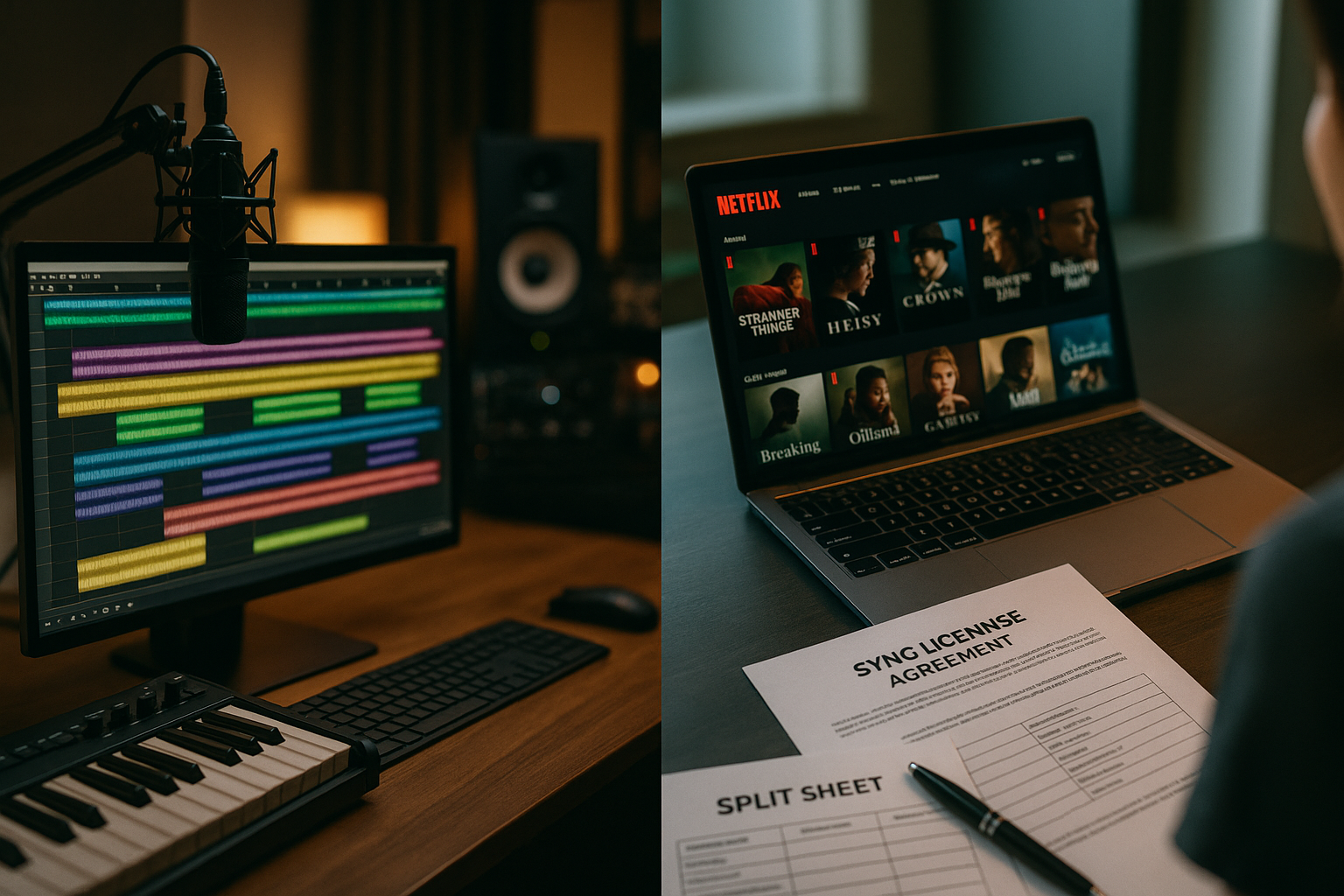
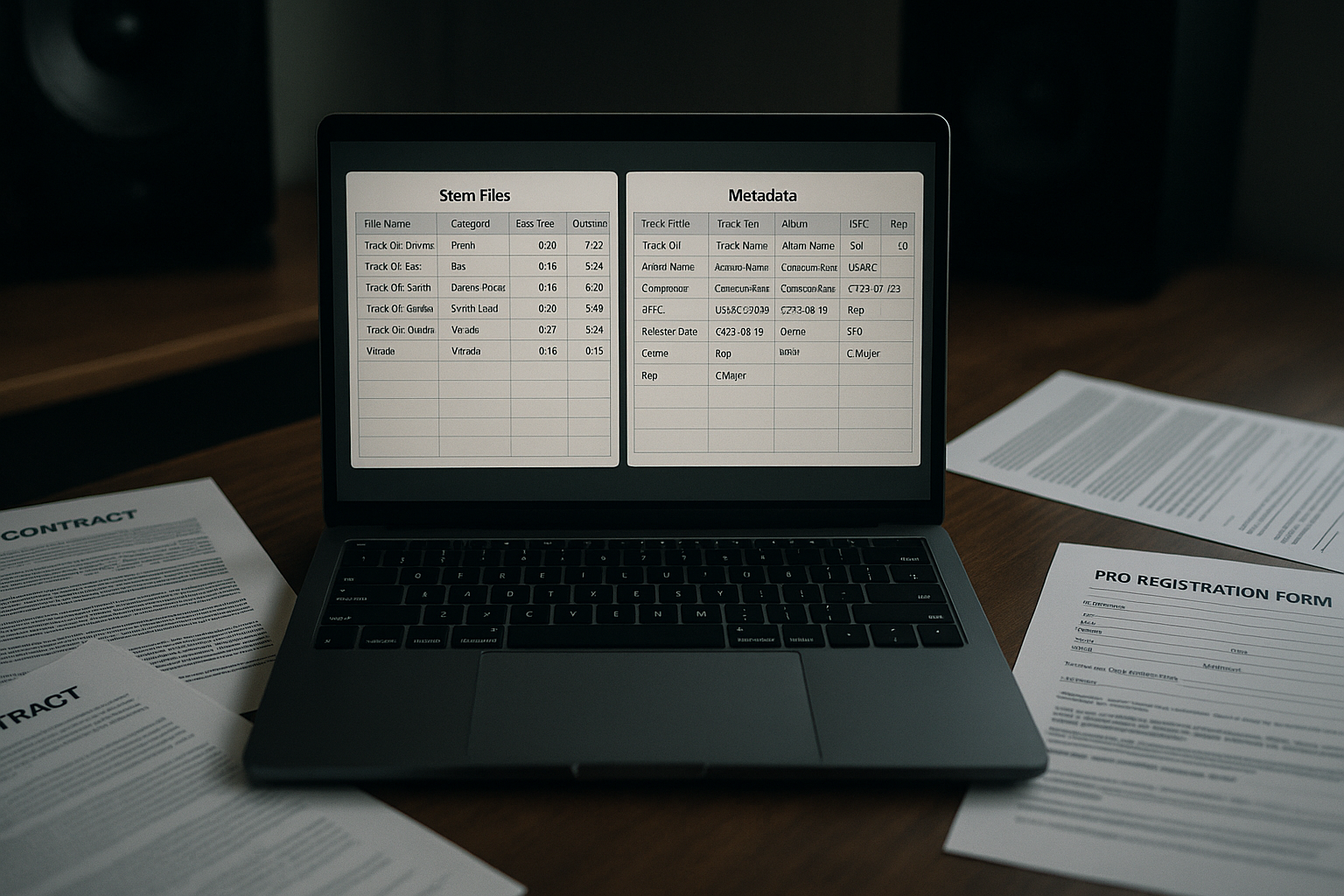
Sync licensing.Older songs are often easier to license because they've been cleared, released, and road-tested. Build a sync-ready catalogue by organizing stems, instrumentals, and clean versions. Then pitch them to sync libraries, supervisors, and licensing platforms like Musicbed or Audiosparx.
Superfan monetization. Your catalogue is content. Use it to create exclusive offerings for your most engaged fans. Offer downloadable stems, behind-the-scenes production breakdowns, or limited vinyl pressings of older projects. These aren't streams. They're direct sales with no middleman. The tiered pricing and $52 superfan playbook walks through exactly how to structure these offers.
YouTube Content ID.If your catalogue is being used in videos, you should be collecting on it. Distribute through a service that offers Content ID so you earn every time someone uses your music in user-generated content.
Sample licensing.If producers or other artists want to sample your work, that's another income stream. Set clear terms, charge appropriately, and make sure the splits are documented upfront.
Catalogue strategy is release strategy
The way you manage your back catalogue directly affects how your new music performs. If your catalogue is scattered across distributors, missing from key playlists, or sitting with incomplete metadata, it's dragging down your overall profile.
Clean it up. Consolidate distribution under one platform so your catalogue is easy to manage. Update cover art, song descriptions, and credits. Make sure every track has proper ISRC codes and songwriter splits registered with your PRO and MLC.
Then use your catalogue to build context around new releases. If you're dropping a new single, create a playlist that includes the new track plus three older songs that fit the same vibe. That gives listeners a reason to stay in your catalogue after the new song ends.
Catalogue depth also strengthens your pitch when you're going after playlist adds, press coverage, or label interest. It shows you're not a one-off. You're consistent, productive, and worth paying attention to.
For more on how to turn volume into sustainable income, read the volume gap: why more streams doesn't.
Final word
Your back catalogue is not a graveyard. It's a toolkit. Every song you've released is an asset that can be reactivated, repurposed, or leveraged to drive new revenue and new audience growth.
Stop treating old music like it's finished. Start treating it like inventory. Because in the streaming economy, your catalogue isn't your past. It's your foundation.
Ready to streamline your workflow?
Stop piecing together spreadsheets and scattered notes. Join the waitlist for Music Artist Manager and get your entire rollout in one place.
Written By
Gavin Alexander
Senior Marketeer
As the founder of Music Artist Manager, Gavin has spent years at the intersection of music and technology. Seeing firsthand how chaotic release rollouts and split sheets can be, he designed a platform that brings major-label infrastructure to independent artists and their teams. He writes extensively about industry trends, artist leverage, and workflow optimisation.