Stop selling songs: How to turn your music catalogue into an intellectual property holding company
Learn to structure your music catalogue, image rights, and content output as revenue-generating IP assets with long-term value.
Key Takeaways
Your catalogue is not just songs. It is a portfolio of intellectual property assets that generate multiple revenue streams.
Think like a holding company, not a recording artist. Your brand, image, and content all carry independent commercial value.
Streams are one income channel. Licensing, sync, merch, and brand partnerships are others. Build systems to monetise each one separately.
Long term value comes from owning and controlling your IP, not chasing short term placement. Protect what you create and structure it correctly.
When the IFPI released its Global Music Report in March 2026, the headline figures celebrated record-breaking global streaming revenues, yet a deeper dive into the data revealed a sobering reality for independent creators: local market streaming payouts have plateaued whilst administrative deductions have surged by 14%. Imagine sitting down with your accountant at 2 a.m. after a gruelling multi-city tour, only to discover that your master royalties barely cover the cost of your digital distributor's premium subscription tier.
This systemic squeeze is the direct result of a fundamental misunderstanding. Most independent artists view themselves as service providers selling individual tracks, rather than treating their catalogue as a highly structured portfolio of intellectual property assets. To build sustainable, long-term wealth, you must stop behaving like an employee of the DSPs and start operating your music career like a formal IP holding company.
The difference between these two approaches is the difference between earning once and earning repeatedly. Between being dependent on a single revenue stream and controlling a diversified asset base. Between reacting to opportunities and structuring deals that work in your favor.
This is not abstract brand theory. This is how you build long-term value as an artist.
What qualifies as intellectual property in your portfolio
Your IP portfolio includes everything you own that has commercial potential. That means:
Master recordings. The actual sound recordings you release. These generate mechanical royalties, streaming revenue, sync licensing fees, and sample clearance income.
Composition rights. The underlying musical work. Separate from the master. If someone covers your song or uses it in film, this is what pays.
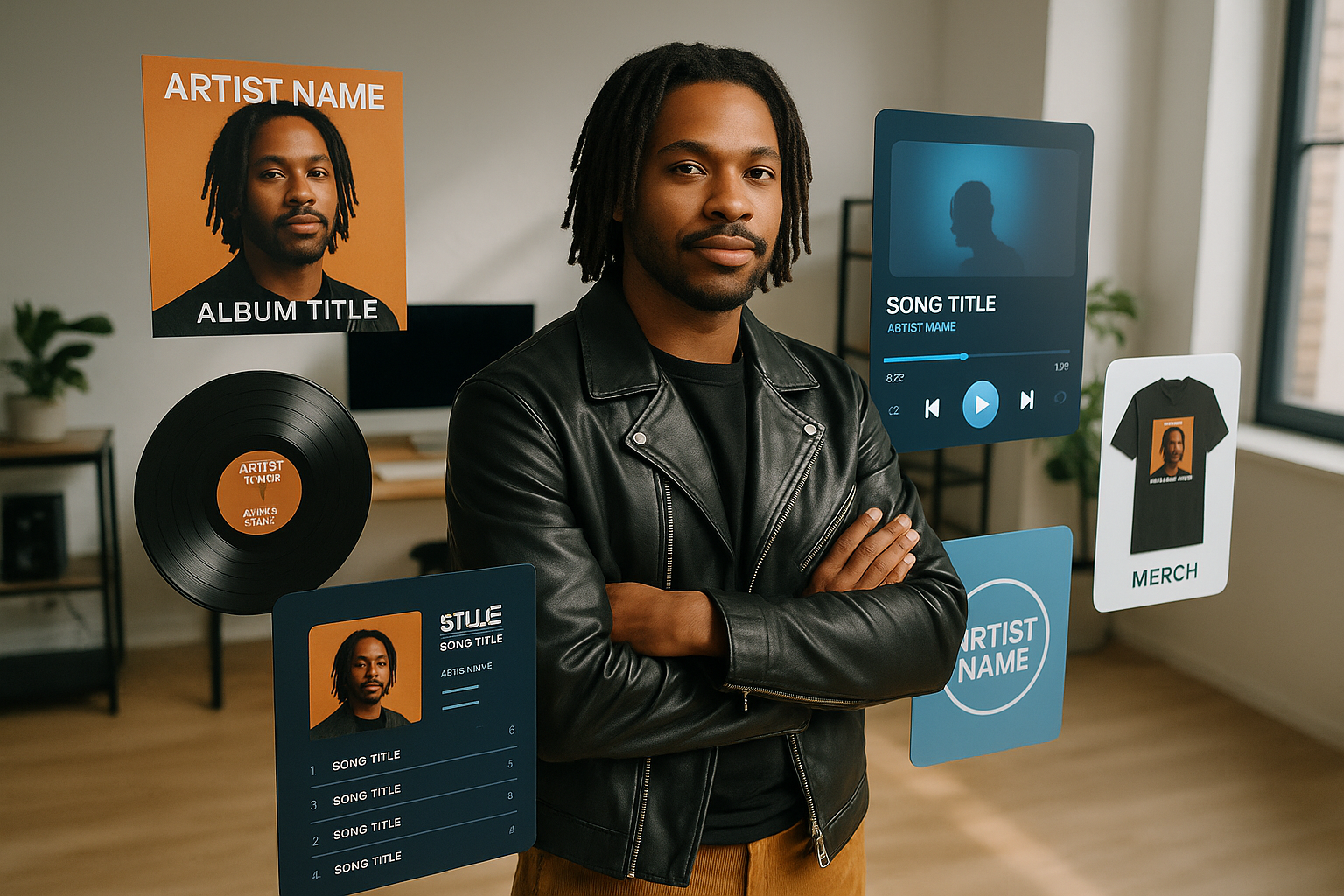
Name and likeness. Your artist name, logo, and image. These can be trademarked and licensed for merchandise, endorsements, and brand partnerships.
Visual content. Album artwork, music videos, photography, social media content. All of it is ownable, licensable, and monetisable.
Brand equity. Your reputation, your audience, your story. Harder to quantify but critical when negotiating partnerships, sponsorships, or label deals.
Most artists control some of these. Few treat them as a unified system designed to generate multiple income streams from a single piece of creative work.
The IP holding company mindset
An IP holding company doesn't just create. It protects, organises, and monetises. It treats every release as an asset that will be exploited across formats, territories, and timelines.
Here's what that looks like in practice:
You own your masters. Always. If a distributor or label wants them, the deal needs to be worth giving up decades of future income. Most aren't.
You register your compositions properly. With a performing rights organisation (ASCAP, BMI, SESAC) and with a publisher if you have one. Every stream, every cover, every sync should be tracked and paid.
You trademark your artist name. Especially if you're building a brand around it. This prevents others from using it commercially and gives you leverage in licensing and partnerships.
You document your splits. Before the song is released. Producer points, co-writer percentages, feature artist splits. Get it in writing. Register it with your distributor and PRO. Disputes kill deals.
You catalog everything. Every master, every composition, every piece of visual content. You need to know what you own, who owns it with you, and where it's being used.
This is not busywork. This is the infrastructure that allows you to monetise your IP at scale.
Revenue streams beyond streaming
Streaming is one income channel. It should not be your only one. Here's where else your IP can generate revenue:
Sync licensing. Your master and composition placed in film, TV, ads, or games. This pays upfront fees plus backend royalties. A single sync can outperform a year of streaming.
Sample clearances. If a producer wants to sample your work, they pay for it. Rates vary, but you set the terms if you own the master and composition.
Merchandise. Your name, logo, and image on physical products. This is direct-to-fan revenue with higher margins than streaming.
Brand partnerships. Companies pay to associate with your audience and image. These deals scale with your brand equity, not just your stream count.
Cover song royalties. Every time someone covers your composition, you earn mechanical and performance royalties. You don't need to approve it. You just get paid.
Neighboring rights. If your music is played on terrestrial radio or in public spaces outside the U.S., you're owed royalties. Register with SoundExchange or a neighboring rights collection society.
Direct licensing. Sell or lease your music directly to content creators, podcasters, or indie filmmakers. Set your own rates. Keep the full fee.
Each of these requires you to own your IP, document it clearly, and know who to contact when an opportunity arises.
How to structure your IP for long-term value
Value comes from clarity and control. If you can't prove you own something, you can't sell or license it. If your rights are fragmented across poorly documented deals, you lose negotiating power.
Here's how to structure your IP properly:
Use a single entity to hold your assets. An LLC or similar structure depending on your location. This separates your personal finances from your business assets and makes it easier to license, sell, or bring in investors later.
Keep master ownership clean. If you're paying a producer, buy out their master points upfront or structure a clear royalty split. Don't leave ownership ambiguous.
Register your compositions immediately. Every song should be registered with your PRO and, if possible, with a publisher or rights management service that can chase down international royalties.
Document every collaboration. Use split sheets. Have all parties sign before release. Include producer points, writer splits, and any other claims to the master or composition.
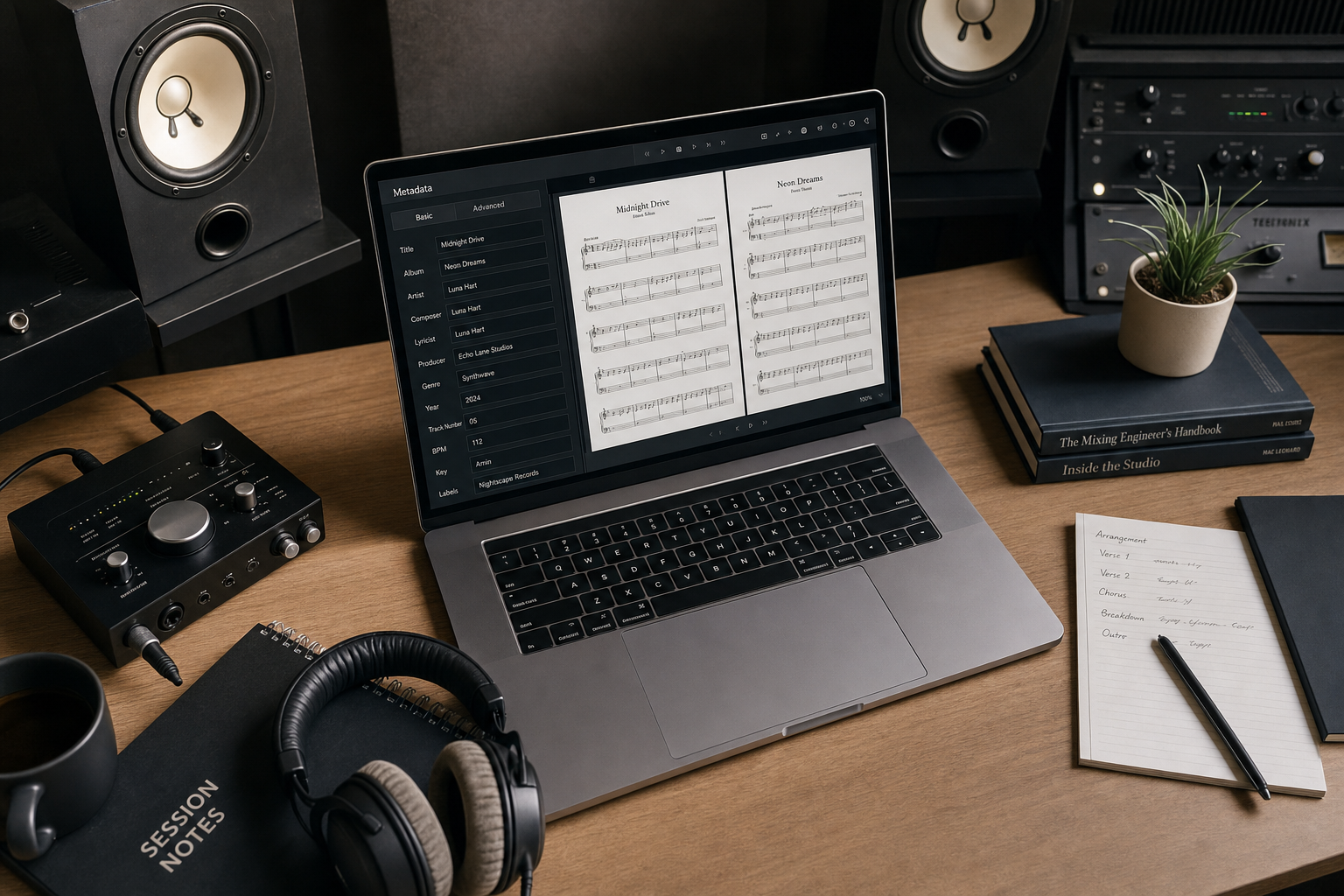
Maintain a central IP registry. A spreadsheet or database that lists every song, master ownership, composition ownership, split percentages, ISRC codes, ISWC codes, and registration status. Update it with every release.
Use your distributor's publishing admin tools. Most distributors (DistroKid, CD Baby, TuneCore) offer publishing administration that collects mechanical and performance royalties globally. Turn it on.
This is how you prepare your catalog for licensing, sale, or investment. Buyers and partners want clean IP. If your rights are messy, they walk.
How to monetise your IP strategically
Once your IP is structured, you can start making strategic decisions about how to monetise it.
Prioritise high-margin revenue. Sync licensing and direct partnerships pay better than streaming. Focus energy on pitching your catalog to music supervisors, agencies, and brands.
Build your catalog intentionally. More songs means more opportunities for placements, covers, and samples. Release consistently. Catalog depth compounds over time.
Separate your catalog into tiers. Not every song has the same commercial potential. Identify your sync-ready tracks, your streaming performers, your deep cuts. Pitch and monetise each accordingly.
Retain flexibility in your deals. Avoid exclusive distribution deals unless the advance justifies giving up control. Non-exclusive agreements let you license freely and respond to opportunities faster.
Plan for eventual exits. Whether that's selling your catalog, bringing in investors, or signing a label deal. Clean IP and diversified revenue make your catalog more valuable.
Reinvest in IP creation. Your catalog is your asset base. The more quality IP you own, the more you can earn. Budget for recording, production, and content creation like you're funding inventory.
This is how you think long-term. Not track by track. Not release by release. Portfolio by portfolio.
The independent artist as IP enterprise
The shift from artist to IP enterprise is not about losing creative identity. It's about recognising that your creative output has commercial value that extends far beyond the first listen.
Every song you release is an asset. Every piece of content you create is monetisable. Every piece of IP you own is leverage.
Transitioning your creative operation into an IP holding company requires robust administrative infrastructure, not just a shift in mindset. The MAM Catalogue Manager is designed specifically to solve this problem, allowing you to log every master recording, map split sheets directly to ISRC and ISWC codes, and register ownership percentages in a secure, central registry. By centralising your IP data within our platform, you ensure that no royalty goes unclaimed and no licensing opportunity is delayed by messy paperwork.
Do not let administrative disorganisation drain your future earnings. Log into your Music Artist Manager dashboard today, navigate to the MAM Catalogue Manager, and upload your active release metadata to establish your clean, auditable asset portfolio before your next release cycle.
Ready to streamline your workflow?
Stop piecing together spreadsheets and scattered notes. Join the waitlist for Music Artist Manager and get your entire rollout in one place.
Written By
Gavin Alexander
Senior Marketeer
As the founder of Music Artist Manager, Gavin has spent years at the intersection of music and technology. Seeing firsthand how chaotic release rollouts and split sheets can be, he designed a platform that brings major-label infrastructure to independent artists and their teams. He writes extensively about industry trends, artist leverage, and workflow optimisation.