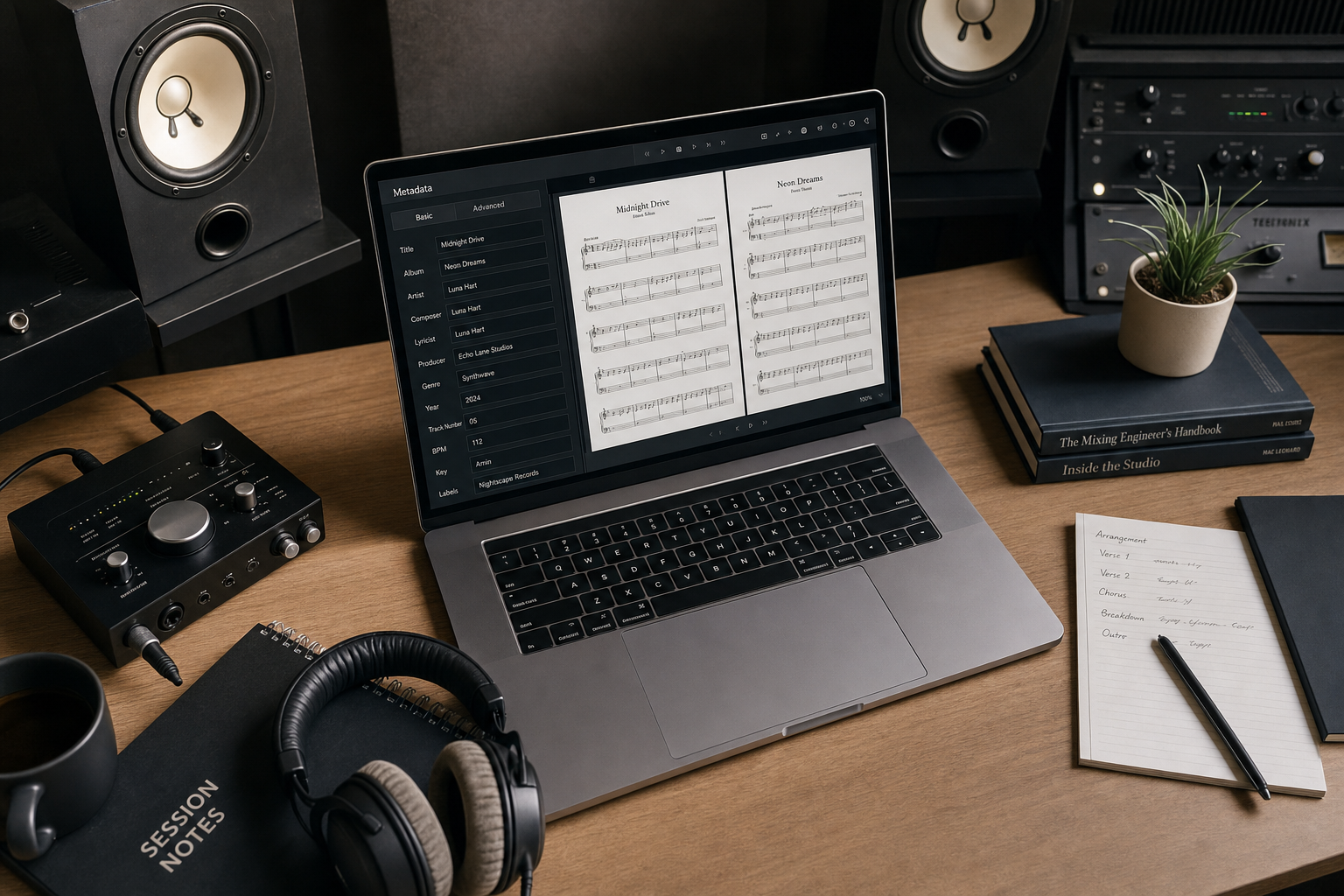
Deepening fan loyalty through genre-bending releases
Learn how genre fluidity builds deeper fanbase loyalty and unlocks sustainable revenue beyond streaming metrics.


Key Takeaways
Genre fluidity builds deeper loyalty because fans connect with artistic honesty, not category convenience.
Audiences who discover range early stay longer and spend more across merch, tickets, and catalogue.
Streaming metrics reward consistency, but sustainable careers are built on emotional investment and repeat engagement.
Positioning yourself across genres isn't confusion, it's control over how your catalogue ages and monetises.
Artists who blur genre lines don't just avoid being boxed in. They build fanbases that stay longer, spend more, and care deeper. This article breaks down why genre fluidity creates stronger commercial outcomes and how to use it as a core brand strategy without diluting your identity.
Most independent artists worry that blending genres will confuse their audience. The opposite is true. Artists who refuse to be boxed into a single category consistently build more emotionally invested fanbases than those who stay strictly within one sound.
This is not about being experimental for the sake of it. It is about recognizing that genre fluidity, when done strategically, creates a sense of discovery that translates directly into deeper loyalty and more sustainable revenue beyond streaming alone.
The strategic advantage of refusing to be categorized
When you operate across multiple genres, you signal authenticity. Fans are not following a product. They are following a creative voice that refuses to compromise for algorithmic convenience.
This approach does three things simultaneously:
- It attracts listeners from multiple DSP editorial lanes, increasing your total addressable audience.
- It positions you as an artist-first creator, which builds trust faster than any single-genre consistency ever will.
- It creates natural catalogue depth that supports longer listening sessions and higher lifetime value per fan.
The artists who master this are not chasing trends. They are building a body of work that reflects their actual creative range, and fans respond to that honesty.
How genre fluidity translates into revenue
Streaming metrics tell one story. Revenue diversification tells another.
Artists with genre-fluid catalogues consistently perform better in:
- Sync licensing: supervisors need variety, and a catalogue that spans moods and styles is inherently more placeable.
- Direct-to-fan sales: fans who feel they are discovering something unique are more likely to buy merch, tickets, and exclusive releases.
- Playlist longevity: editorial teams at DSPs are more likely to revisit your catalogue when each release offers something distinct.
You are not building a hit. You are building a catalogue that works across multiple revenue streams. Genre fluidity gives you more doors to walk through.
Tactical ways to embrace genre-bending as brand strategy
This is not about random experimentation. It is about intentional sequencing and clear communication with your audience.
Start by auditing your catalogue. Identify the through-line that connects your work, even if the sonic elements differ. That through-line becomes your brand anchor.
Then:
- Use release sequencing to guide your audience. Drop a genre-fluid single, then follow it with a track that leans into one of those influences more heavily. This trains your fans to expect range.
- Be explicit in your messaging. Do not apologize for shifting sounds. Frame it as creative honesty, because that is what it is.
- Build playlists that showcase your influences. Let fans see the connective tissue between your work and the genres you are pulling from.
- Use visual identity to create cohesion. Your artwork, video aesthetic, and social presence should feel consistent even when your sound is not.
The goal is not to confuse your audience. It is to build a fanbase that trusts your creative direction enough to follow you anywhere.
Why this approach works for independent artists specifically
You do not have a label telling you to stay in one lane for the sake of radio or retail placement. That gives you a structural advantage over artists who are contractually obligated to repeat what worked once.
Independent artists who embrace genre fluidity are not competing with major label acts in a single category. They are carving out their own space, and that space is harder to replicate.
Your fans are not looking for the next version of someone else. They are looking for a creative voice they can trust. Genre fluidity, when executed with intention, becomes proof that you are building something real.
This is not a trend. This is a long-term brand strategy that separates you from the thousands of artists trying to fit into a single algorithmic box. The question is not whether you should do it. The question is whether you are ready to commit to it fully.
Ready to streamline your workflow?
Stop piecing together spreadsheets and scattered notes. Join the waitlist for Music Artist Manager and get your entire rollout in one place.
Written By
Gavin Alexander
Senior Marketeer
As the founder of Music Artist Manager, Gavin has spent years at the intersection of music and technology. Seeing firsthand how chaotic release rollouts and split sheets can be, he designed a platform that brings major-label infrastructure to independent artists and their teams. He writes extensively about industry trends, artist leverage, and workflow optimisation.