Establishing artist independence without major-label validation
Lorde spent a decade earning back what independent artists are born with: the right to own their masters, publishing, and name.
Key Takeaways
Lorde spent 13 years earning back what independent artists are born with: full ownership.
Registering your masters, publishing, and PRO is not optional if you want to collect everything.
A clean slate is not a reward for leaving a label — it's your starting position.
Every unregistered track is leaking royalties you'll never recover without proper structure in place.
In March 2026, Lorde left Universal Music Group and became independent. The industry called it brave. What they missed: she spent over a decade earning back what every unsigned artist already owns. If you're releasing music independently right now, you're not working towards a clean slate. You're standing on one.
In March 2026, Lorde announced she is now an independent artist. Her contract with Universal Music Group, signed when she was 12 years old, expired quietly at the end of 2025. In voice notes to fans, she described the moment as a "clean slate": "I knew that I needed to take a second to have nothing being bought or sold that comes from me."
The coverage framed it as brave. The industry treated it as news.
But here's what got buried: she spent over a decade earning back something independent artists are born with.
The structural drift
Lorde's exit is part of a pattern happening across the industry in 2026. Artists at every level are re-evaluating what major label infrastructure actually provides versus what it costs. The "Great Unsigning" narrative is accelerating. Artists quietly declining renewal, letting contracts lapse, choosing independence.
The shift matters for independent artists not because they should copy Lorde, but because it exposes what a label deal actually trades away: the right to have nothing being bought or sold without your permission. That right is the default position for every signed-to-no-one artist. Most are squandering it.
Independent artists in 2026 sit on more distribution power, direct-to-fan revenue infrastructure, and data ownership than any unsigned artist in history. The clean slate is the starting position, not the goal to work back towards.
What independence actually controls
- Masters
- Signed (Major): Label owns (typically)
- Independent: Artist owns
- Publishing
- Signed (Major): Often co-signed or label-adjacent
- Independent: Artist controls (if registered)
- Release schedule
- Signed (Major): Label approval required
- Independent: Artist's discretion
- Revenue timing
- Signed (Major): Quarterly accounting, recoupment offsets
- Independent: Direct, faster via indie distributors
- Brand deals/sync
- Signed (Major): Label takes cut, controls approvals
- Independent: Artist negotiates directly
- Data
- Signed (Major): Limited, label aggregates
- Independent: Full access via distributor dashboards
Lorde's "clean slate" is simply the state of owning all of the above simultaneously. For independent artists, that state is now. But only if they've structured it correctly.
An artist who hasn't registered their publishing, who distributes without retaining masters, or who signs a bad sync deal has already signed pieces of their slate away without getting the infrastructure a label would provide in return.
The three structural levers
- Masters. Your recordings. Must be owned and registered properly.
- Publishing. Your underlying compositions. Register with a PRO (PRS, ASCAP, SOCAN) and a publishing admin immediately.
- Name & likeness. Trademark your artist name if you're building a real business.
Who this is for
This is not advice to avoid ever working with a label, publisher, or manager. Infrastructure and capital have real value. The argument is not "never sign." It is "know exactly what you're trading when you do."
This article is for artists who are:
- Releasing music independently right now
- Have not yet registered their PRO publishing
- Are distributing without understanding what rights they are or are not assigning
- Have not audited their catalogue for unclaimed royalties
If you are already fully registered, publishing-administered, and masters-owned, you are already operating on a clean slate. The work then is protecting and monetising it.
The playbook
Register your masters
Confirm your distributor agreement does not assign ownership. DistroKid, TuneCore, CD Baby all operate on licence-only by default. Verify yours does too.
Join a pro today if you haven't
PRS for Music (UK), ASCAP/BMI (US), SOCAN (Canada). This is non-negotiable. Every live performance and broadcast generates performance royalties. None of it flows to you without registration.
Register a publishing admin
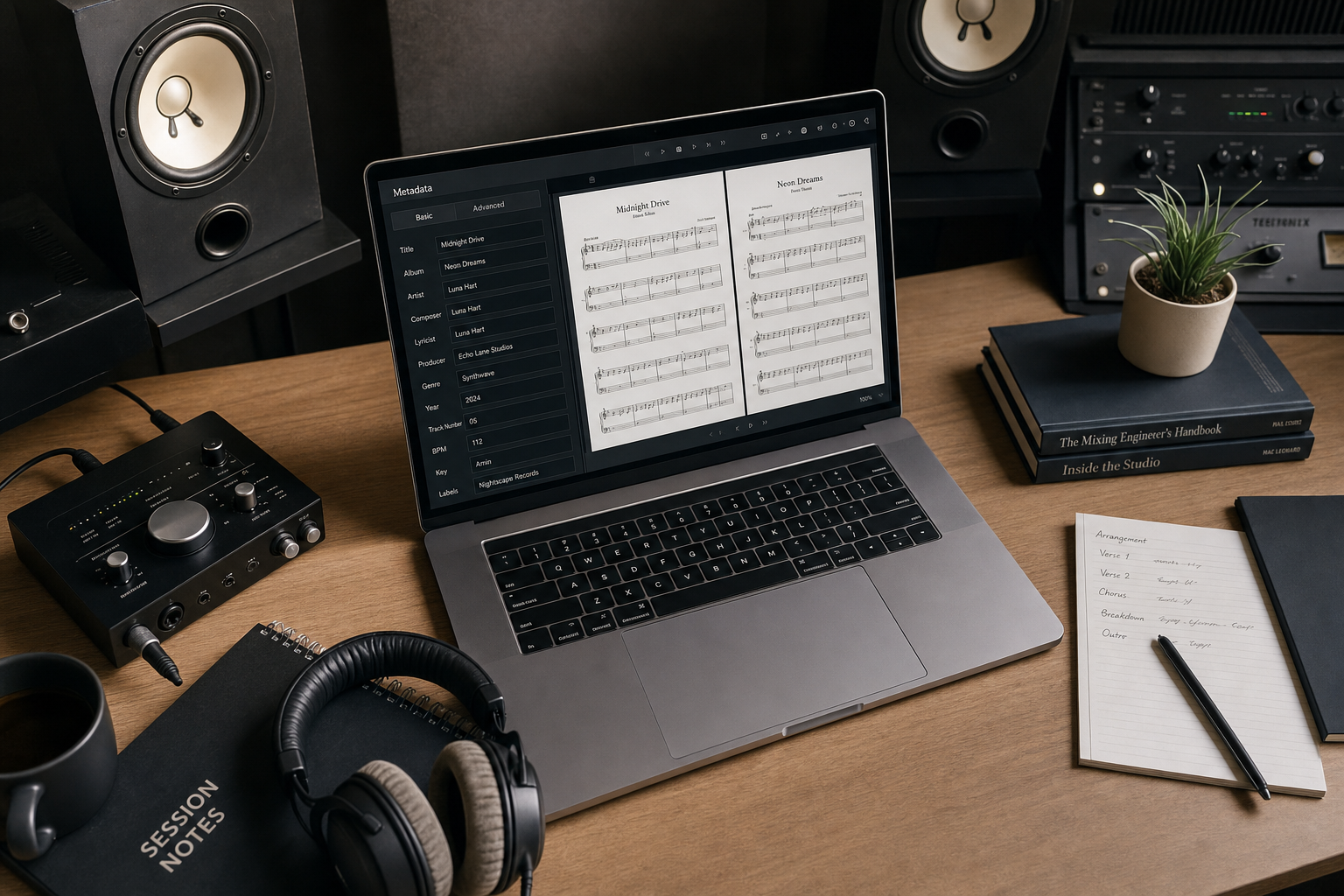
A PRO only captures performance royalties. A publishing administrator (Songtrust, DistroKid Publishing, Downtown Music) collects mechanical royalties from streaming globally. These two combined recover what's leaking.
Audit your existing releases
Pull your distributor statements. Cross-reference with your PRO account. Identify tracks earning streams that aren't generating corresponding publishing income. That gap is money owed.
Document every collaboration
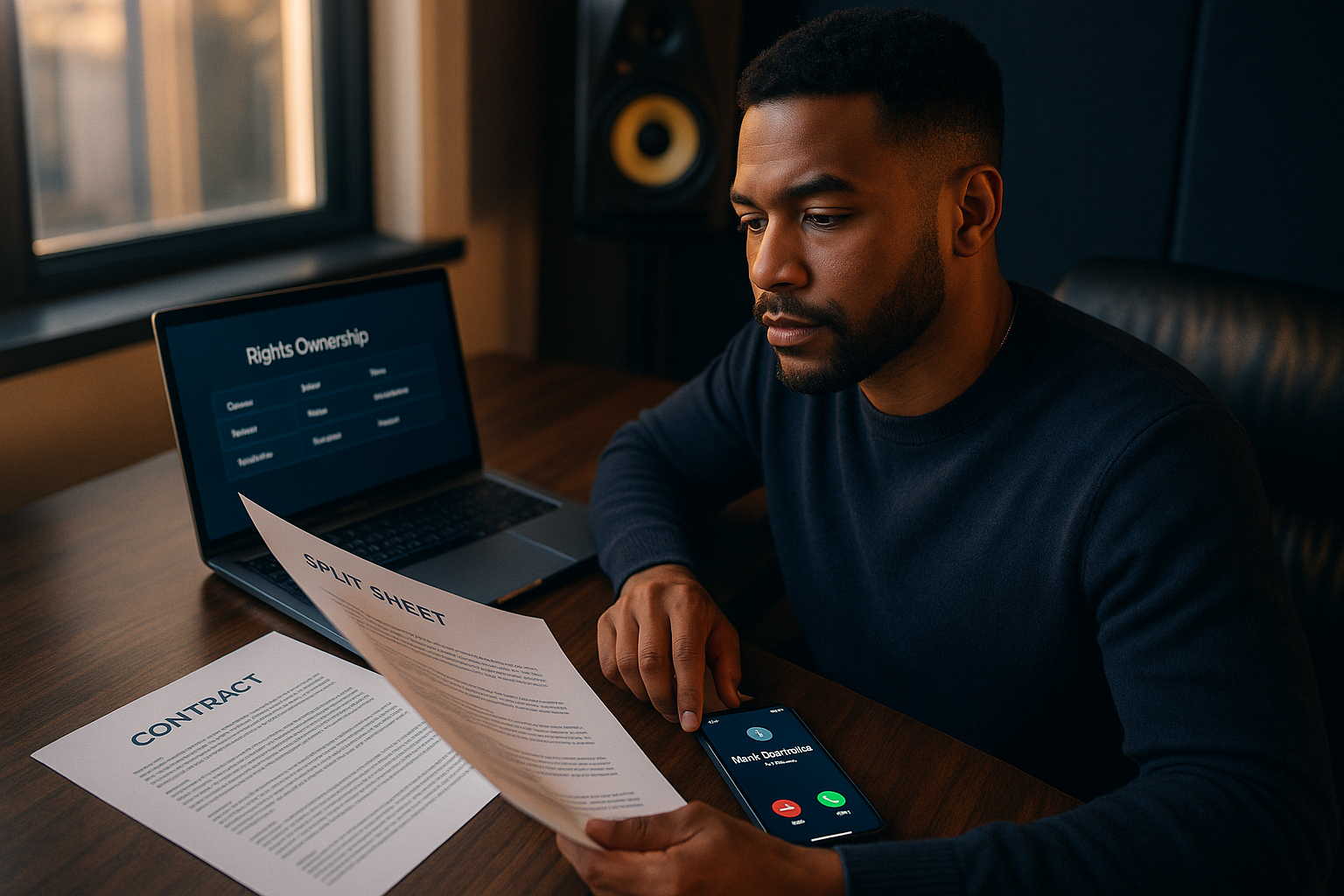
Any track with a co-writer or producer needs a split agreement signed before release. Disputes after the fact are expensive and messy.
Set a review cadence
Treat your catalogue like a portfolio. Quarterly: check statements, verify registrations, follow up on anomalies. This is what a manager does on your behalf. If you don't have one, Music Artist Manager's dashboard surfaces this automatically.
Day one, not day 3,650
Lorde's independence story is being covered as a bold move. It is actually a corrective one. She is reclaiming what should have been hers from the start.
Independent artists in 2026 do not need to reclaim anything. They need to recognise what they already have and run it like a business.
The clean slate is not a reward for leaving a label. It is day one. The artists who win are the ones who treat it that way from their very first release. Building systems, protecting rights, and compounding ownership rather than leaking it deal by deal, track by track.
You are not "unsigned." You are independently owned.
Never release another track with an unclaimed asset. Music Artist Manager Splits and Tracks in Music Artist Manager lets you register, track, and audit your catalogue rights, PRO status, and publishing registrations in one place.
Related Reading:
Further Reading:
- "Lorde embraces 'clean slate' as independent artist" — Rolling Stone
- "Lorde reveals she's now an independent artist after her contract with universal expired" — Variety
- "Power shift: Why artists are ditching their record labels in droves" — Who
- "Why artists go independent: Benefits, challenges & industry shift" — Imusician
Ready to streamline your workflow?
Stop piecing together spreadsheets and scattered notes. Join the waitlist for Music Artist Manager and get your entire rollout in one place.
Written By
Gavin Alexander
Senior Marketeer
As the founder of Music Artist Manager, Gavin has spent years at the intersection of music and technology. Seeing firsthand how chaotic release rollouts and split sheets can be, he designed a platform that brings major-label infrastructure to independent artists and their teams. He writes extensively about industry trends, artist leverage, and workflow optimisation.