Major-label distributor acquisitions and what they mean for indie tools
Warner acquired Revelator in April 2026, placing independent artist infrastructure under major label control for the first time.

Key Takeaways
• Warner acquired Revelator in April 2026, placing independent artist infrastructure under major label control for the first time.
• Platform ownership delivers recurring revenue from thousands of independent artists without traditional A&R risk or artist development costs.
• Your distribution platform is now a strategic vulnerability if you cannot move your catalog, metadata, and fan relationships independently.
• Independence in 2026 means owning your data flow and fan access, not just avoiding a label contract.
Warner Music Group bought Revelator in April 2026, placing the infrastructure that independent artists use to avoid major labels under major label control. This is not about signing artists anymore. This is about owning the systems that let you stay independent in the first place.
Warner Music Group purchased Revelator, the B2B distribution and royalty platform used by tens of thousands of independent artists, in April 2026. For the first time, a major label owns the infrastructure that was built specifically to help artists avoid major labels.
This is not about signing talent. This is about owning the tools that made independence possible in the first place.
Why infrastructure beats artist ownership
The majors are not competing for your signature anymore. They are buying the systems you use to stay independent. Revelator provided distribution to all DSPs, royalty tracking, rights clearance, and real-time earnings dashboards. It was the neutral backend that let you operate like a label without signing to one.
Now it is Warner property. Concord buying Ninja Tune one month earlier in March 2026 confirms the pattern. This is not about individual artist acquisitions. This is about owning the rails.
Independent artists command 30% of global streams. That growth created a multi-billion-dollar services market where artists could bypass traditional gates entirely. But those services are now consolidating into major label ownership. The economics are straightforward. Majors generate predictable recurring B2B revenue from thousands of independent creators without the overhead of artist development, marketing budgets, or tour support.
Your independence becomes a positioning statement, not a structural reality.
What revelator was and why ownership matters
Revelator operated as a B2B SaaS platform. It distributed your music to Spotify, Apple Music, TIDAL, Amazon Music, and every other DSP. It managed your royalty splits across writers, producers, and collaborators. It tracked your earnings in real time and cleared your rights on the backend.
Thousands of independent artists and micro-labels used it because they needed professional-grade infrastructure without signing their catalog away. It was a service provider, not a rights holder.
When a major owns that infrastructure, the relationship changes. They own the data flow. They can adjust payout structures and priority rankings algorithmically. They shape which artists get recommended in their own promotional tools. They control terms of service unilaterally.
What was a partner relationship becomes a tenant-landlord dynamic. You are no longer renting a tool. You are operating inside someone else's property.
Who this affects and how much
Mid-tier independent artists with 1 million to 100 million annual streams face the highest risk. Your catalog is valuable enough for a major to want the data and metadata, but too small for you to negotiate custom terms or command platform exceptions. You are in the middle. Visible enough to matter. Not powerful enough to set conditions.
If you are on an indie platform that remains independent, your immediate risk is low. But platform vulnerability is now real. Your distributor's terms of service can change overnight if they are acquired. There is no alert system. There is no grace period. The acquisition closes and the new owner sets the rules.
If you are already signed to a label, this changes nothing for you. You were already operating inside major-owned infrastructure through The Orchard, ADA, or Virgin Music. Your data was never yours.
What to do about it
Audit your current platform
Identify where your music is distributed and who owns that distributor. The Orchard is Universal. ADA is Warner. Virgin is Universal. Kobalt remains independent. If you do not know who owns your distributor, you do not control your distribution.
Document all your metadata and catalog information outside your platform
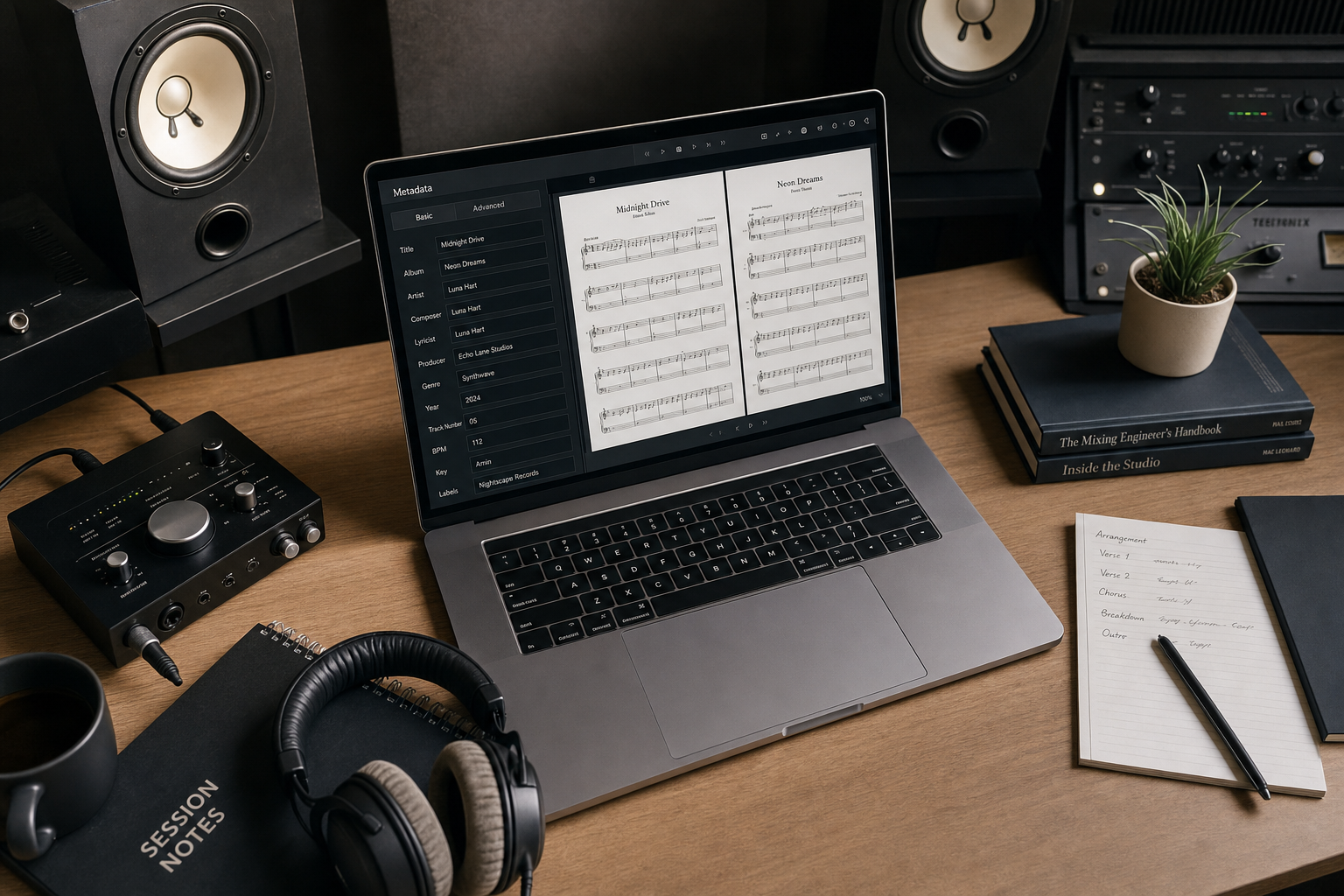
Pull your full rights chain, songwriter splits, producer credits, ISRC codes, and UPC codes into a centralized database you control. If your platform is acquired, this data is your exit strategy. Without it, you are locked in.
Separate your distribution from your artist identity
Use a distributor as a channel, not as your brand or community hub. Build your fan relationships directly through your mailing list, Bandcamp, Discord, or SMS. If your distributor changes hands, your fans should not notice. Your relationship with them should exist independently of any platform.
Explore user-centric streaming platforms
TIDAL and other services using direct artist payout models are less susceptible to major label control. Shift a portion of your promotional energy toward these channels. Diversify your streaming footprint the same way you would diversify your income.
Review your distribution agreement
Look for clauses about metadata ownership, termination rights, and what happens if the distributor is sold. Many indie platforms have vague or absent language here. If your agreement does not specify that you retain full ownership of your metadata and can terminate without penalty, you do not have portability.
The new definition of independence
Independence is not about which company signs your contract. It is about who controls your data, your fan access, and your payment flow. The headline reads majors acquire indie platforms. The structural truth is that infrastructure is always owned by someone.
What matters is whether you are a user renting access or a negotiating partner with alternative options.
Building direct-to-fan channels, owning your metadata, and staying portable across platforms is the new independence. The tools you use should be interchangeable. The relationships you build should not be.
Music Artist Manager helps you structure your catalog for portability and build operational systems that travel with you, not with your distributor. Learn how to audit your platform dependencies and document your rights chain at Music Artist Manager.
Related Reading:
- https://www.musicartistmanager.com/blog/catalog-ownership-competitive-advantage
Further Reading:
- Warner Music Group Acquires Revelator, B2B Music Platform — Billboard — https://www.billboard.com
- Who Owns Independent Music: How the Majors Are Buying the Infrastructure of Independence — Exposed Vocals — https://exposedvocals.com/who-owns-independent-music-how-the-majors-are-buying-the-infrastructure-of-independence/
- Concord Acquires UK-based Indie Label Ninja Tune Records — Music Business Worldwide — https://www.musicbusinessworldwide.com/concord-acquires-uk-based-indie-label-ninja-tune-records/
Ready to streamline your workflow?
Stop piecing together spreadsheets and scattered notes. Join the waitlist for Music Artist Manager and get your entire rollout in one place.
Written By
Gavin Alexander
Senior Marketeer
As the founder of Music Artist Manager, Gavin has spent years at the intersection of music and technology. Seeing firsthand how chaotic release rollouts and split sheets can be, he designed a platform that brings major-label infrastructure to independent artists and their teams. He writes extensively about industry trends, artist leverage, and workflow optimisation.