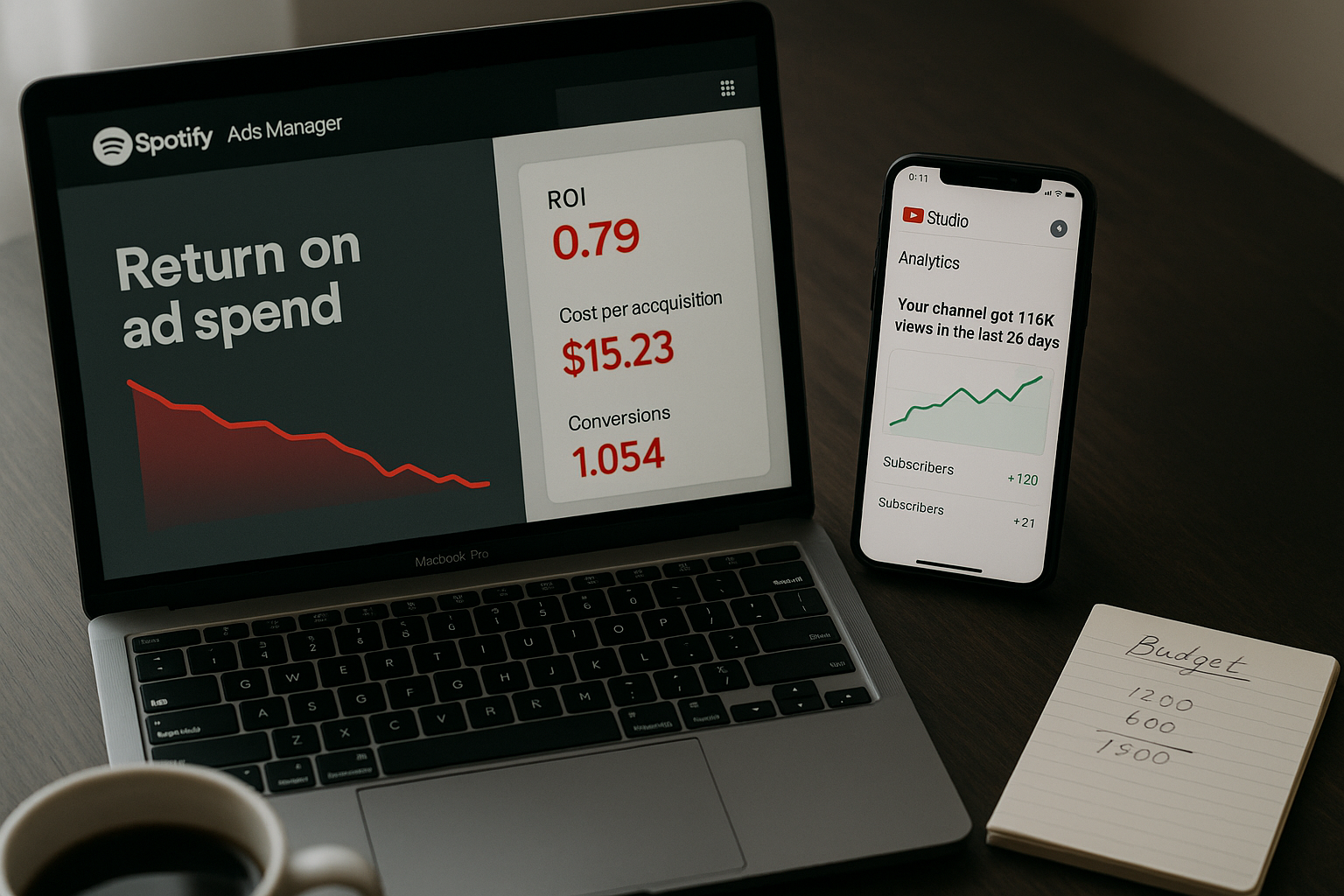
Reverse-engineering the algorithm: Why your artist needs a distro hacker
Learn how distro hackers engineer metadata, audit feature credits, and optimise ingestion windows to build streaming assets that compound over time.
Key Takeaways
Your release isn't just music. It's metadata, ingestion windows, and feature credits that determine whether algorithms work for you or ignore you.
Streams-per-listener matters more than total streams. High SPL signals active intent, which compounds over time and builds catalogue value.
Editorial placement feels good but fades fast. Algorithmic placement from engaged listeners creates long-term, repeatable streaming assets.
The distro hacker role exists to engineer technical precision into every release. This isn't admin work. It's competitive infrastructure.
The distro hacker: the role no one told you existed
You've probably never hired a distro hacker. Most artists haven't. But the ones pulling 500k monthly listeners without playlist placements or label support? They have one. Or they became one.
This isn't a new role in the traditional sense. It's what happens when an artist or manager realizes that releasing music is only 30% creative and 70% technical operations. The distro hacker is the person who engineers the technical layer of your release strategy so your music doesn't just arrive on streaming platforms. It arrives optimized, tagged correctly, and ready to feed the algorithmic systems that actually move streams.
What a distro hacker actually does
A distro hacker manages the operational backend of your distribution process. That means:
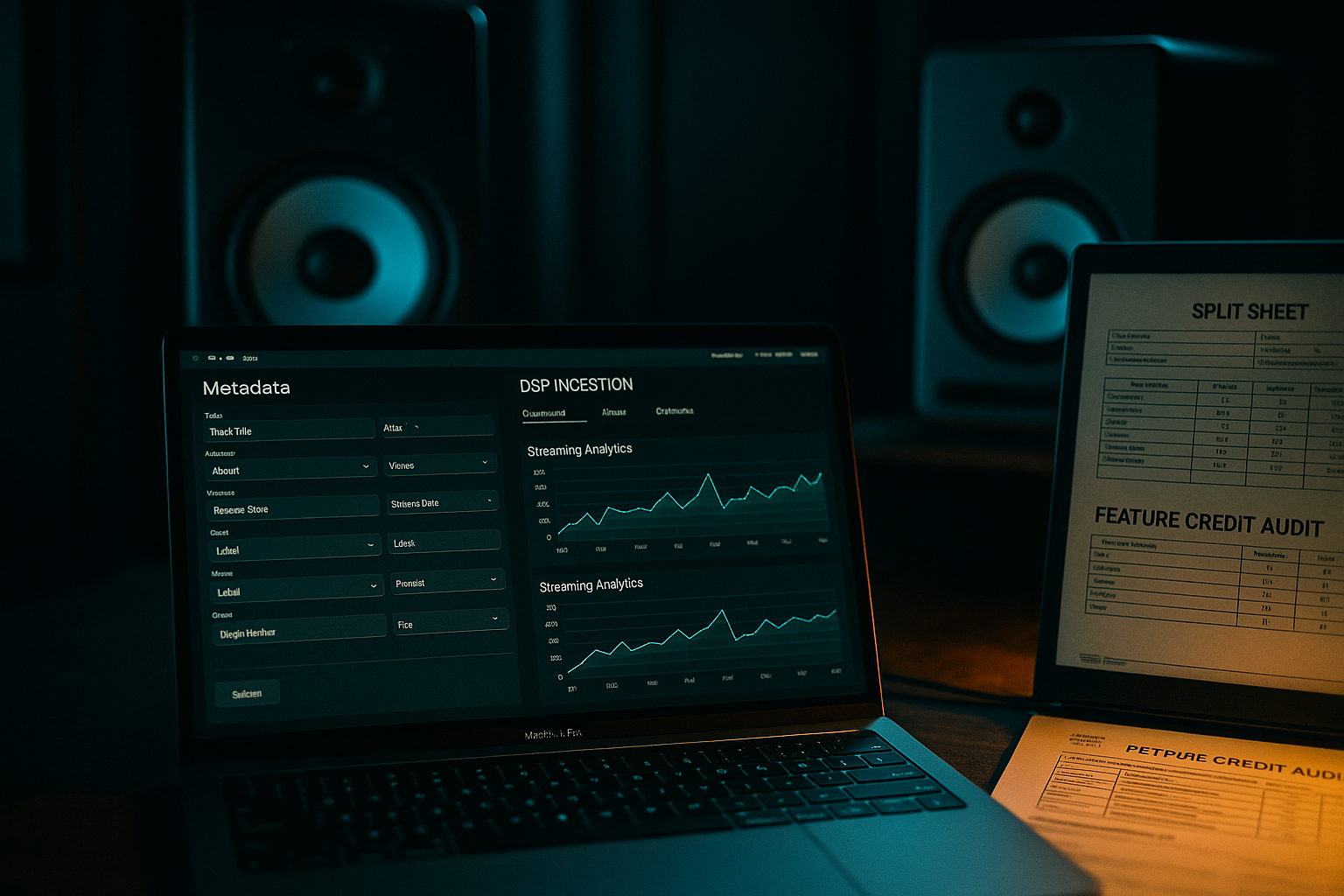
Metadata engineering. Every field in your distributor's upload form is a lever. Track titles, artist names, songwriter credits, producer tags, ISRC codes, genre selectors, language tags, and explicit flags all affect how DSPs categorize and surface your music. A distro hacker treats metadata like code. One misspelled feature credit can cost you algorithmic eligibility. One wrong genre tag can bury your track in the wrong listener pool.
Ingestion window management. DSPs don't treat all uploads the same. Submit too close to release day and your track might not hit editorial consideration windows. Submit too early without the right metadata and you lose momentum. A distro hacker maps backward from your release date and manages the exact submission windows for Spotify, Apple Music, Amazon, and YouTube Music separately. Each platform has different lead time requirements. Your distro hacker knows them.
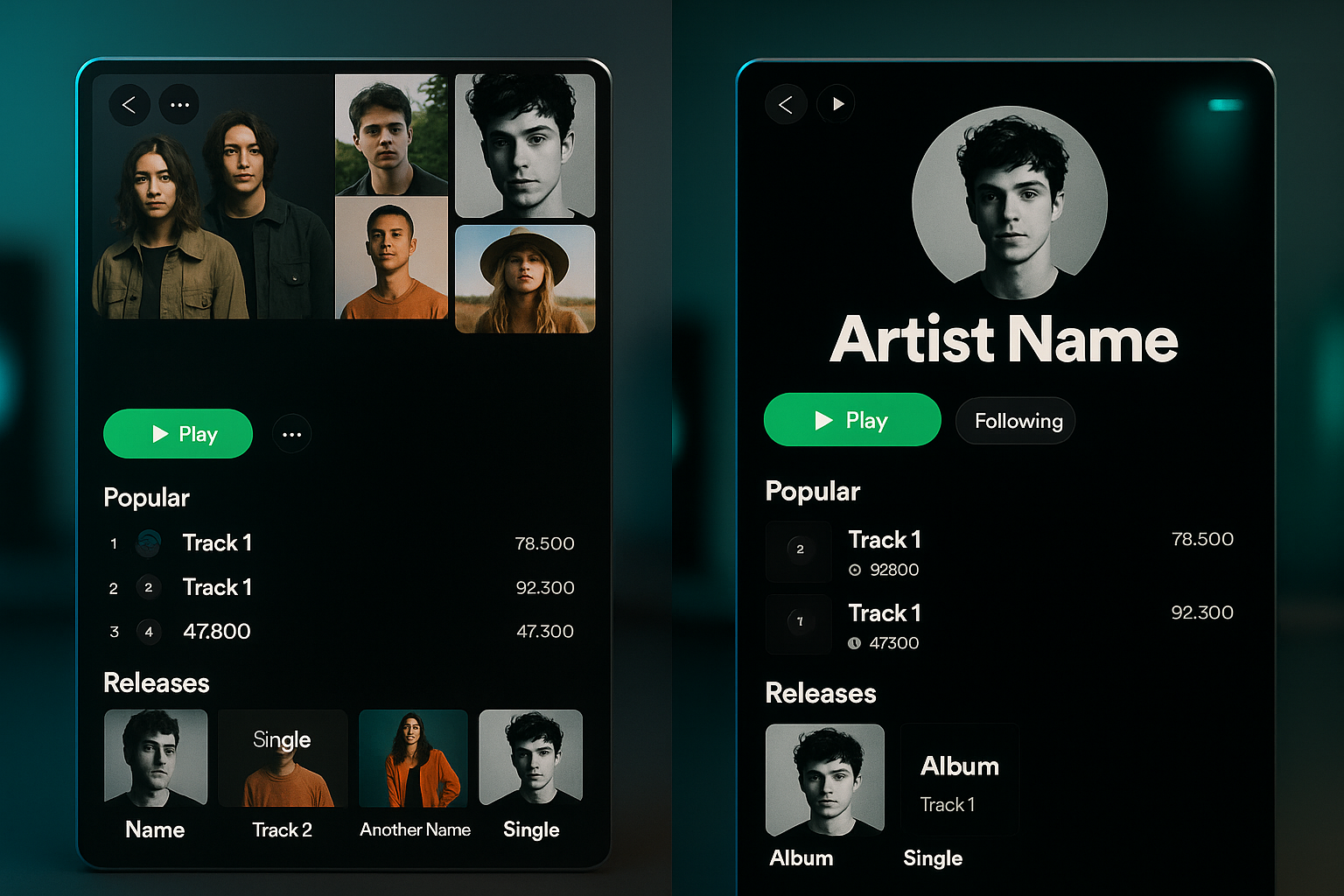
Feature credit auditing. If you have a feature, that artist's fanbase is an asset. But only if the credit is structured correctly across every DSP. A distro hacker audits how credits display on release day, checks that both artist profiles are linked, and ensures the track appears on both catalog pages. This isn't automatic. Distributors miss this constantly.
Catalog sequencing. Your catalog isn't random. It's a funnel. A distro hacker sequences your releases so that your earliest tracks ladder listeners toward your most recent work. That means managing release radar timing, spacing drops to avoid cannibalizing your own algorithmic momentum, and making sure your artist profile doesn't look like a graveyard of one-off singles with no connective tissue.
Royalty structure setup. Before you upload, you need to know who owns what. A distro hacker makes sure splits are locked, songwriter shares are registered with your PRO, and your distributor has the correct payout routing. This prevents holds, disputes, and missing revenue six months later when the statements come in.
Why this role matters now
Streaming platforms are not neutral. They are algorithmic sorting systems. If your metadata is sloppy, you don't get sorted into the right listener pool. If your ingestion timing is off, you miss editorial windows and algorithmic onboarding entirely. If your feature credits don't link properly, you lose access to a collaborator's fanbase.
The artists winning on streaming right now are not just making better music. They are submitting better data. They are treating distribution like a technical discipline, not an afterthought.
The metric that matters: streams per listener
Most artists track total streams. That's a vanity metric. The number that actually tells you if your release is working is streams per listener, or SPL.
SPL measures how many times the average listener streams your music. If you have 10,000 streams from 5,000 listeners, your SPL is 2. If you have 10,000 streams from 1,000 listeners, your SPL is 10. The second scenario is far more valuable.
High SPL means your music is sticky. Listeners are coming back. They are adding your tracks to playlists. They are sharing it. They are signaling to the algorithm that your music is worth surfacing to more people like them.
Low SPL means you are leaking listeners. You might be getting playlist adds or one-time plays from editorial pushes, but those listeners are not staying. That's not a sustainable growth model. It's rented attention.
A distro hacker optimizes for SPL, not just stream count. That means releasing music that rewards repeat listens, sequencing your catalog so listeners move from one track to the next, and making sure your artist profile doesn't scatter attention across too many disconnected singles.
Active listenership vs. passive editorial
There are two ways to grow on streaming platforms. Passive editorial and active listenership.
Passive editorial is when a playlist curator adds your track to a playlist. You get a spike in streams. It feels good. But when the playlist gets updated or your track gets rotated out, the streams disappear. You didn't build an audience. You borrowed one.
Active listenership is when listeners save your music, add it to their own playlists, share it, and come back on their own. This is what the algorithm rewards. Active listeners generate long-term, compounding streams. They turn your catalog into an asset that grows over time, not a one-week spike that fades.
A distro hacker builds for active listenership. That means optimizing metadata so your music reaches the right listener pools, spacing releases so you stay top of mind without oversaturating your audience, and auditing which tracks are actually driving repeat plays so you can double down on what works.
How to think like a distro hacker
You don't need to hire someone to do this. You can become your own distro hacker. Here's how to start:
Audit your metadata. Go into your distributor and pull up your last three releases. Check every field. Are your genre tags accurate? Are your feature credits displaying correctly on every DSP? Are your songwriter splits registered with your PRO? If the answer to any of these is no, fix it now.
Map your ingestion windows. Pull up the editorial submission deadlines for Spotify, Apple Music, and Amazon. Work backward from your next release date and build a submission calendar. Don't upload the day before release and hope for the best.
Track your SPL. Log into Spotify for Artists and pull your streams per listener for your last release. Compare it to your previous releases. Is it going up or down? If it's going down, your music isn't holding attention. Adjust your release strategy.
Audit your feature credits. If you have a feature on your last release, go to both artist profiles on Spotify and Apple Music. Does the track show up on both pages? If not, contact your distributor and get it fixed.
Sequence your catalog. Look at your artist profile as a listener would. Does it tell a story? Does it guide someone from your most recent release back through your catalog? Or does it look like a random pile of singles? If it's the latter, think about how to sequence your next few releases to create a clearer funnel.
The long-term play
Most independent artists treat distribution like a checkbox. Upload the track, hit submit, wait for streams. That's not a strategy. That's hope.
A distro hacker treats distribution like infrastructure. Every upload is a data point. Every release is a test. Every metadata field is an optimization opportunity. Over time, those optimizations compound. Your catalog becomes a self-sustaining growth engine. Your streams don't spike and crash. They build.
This is not fast. It's not flashy. But it's how you build a streaming career that lasts longer than one viral moment. You engineer the technical layer so well that the creative work you do on top of it actually reaches the right people, holds their attention, and turns them into active listeners who come back.
That's what a distro hacker does. And if you're serious about building a sustainable music career, it's what you need to become.
Ready to streamline your workflow?
Stop piecing together spreadsheets and scattered notes. Join the waitlist for Music Artist Manager and get your entire rollout in one place.
Written By
Gavin Alexander
Senior Marketeer
As the founder of Music Artist Manager, Gavin has spent years at the intersection of music and technology. Seeing firsthand how chaotic release rollouts and split sheets can be, he designed a platform that brings major-label infrastructure to independent artists and their teams. He writes extensively about industry trends, artist leverage, and workflow optimisation.