StrategyAugust 8, 2026

What a record label deal actually buys in 2026 — and the maths you need before you sign
Learn what a label actually sells in 2026, how to price it against your equity, and the six steps to negotiate a deal you won't regret.

What a record label deal actually buys in 2026 — and the maths you need before you sign
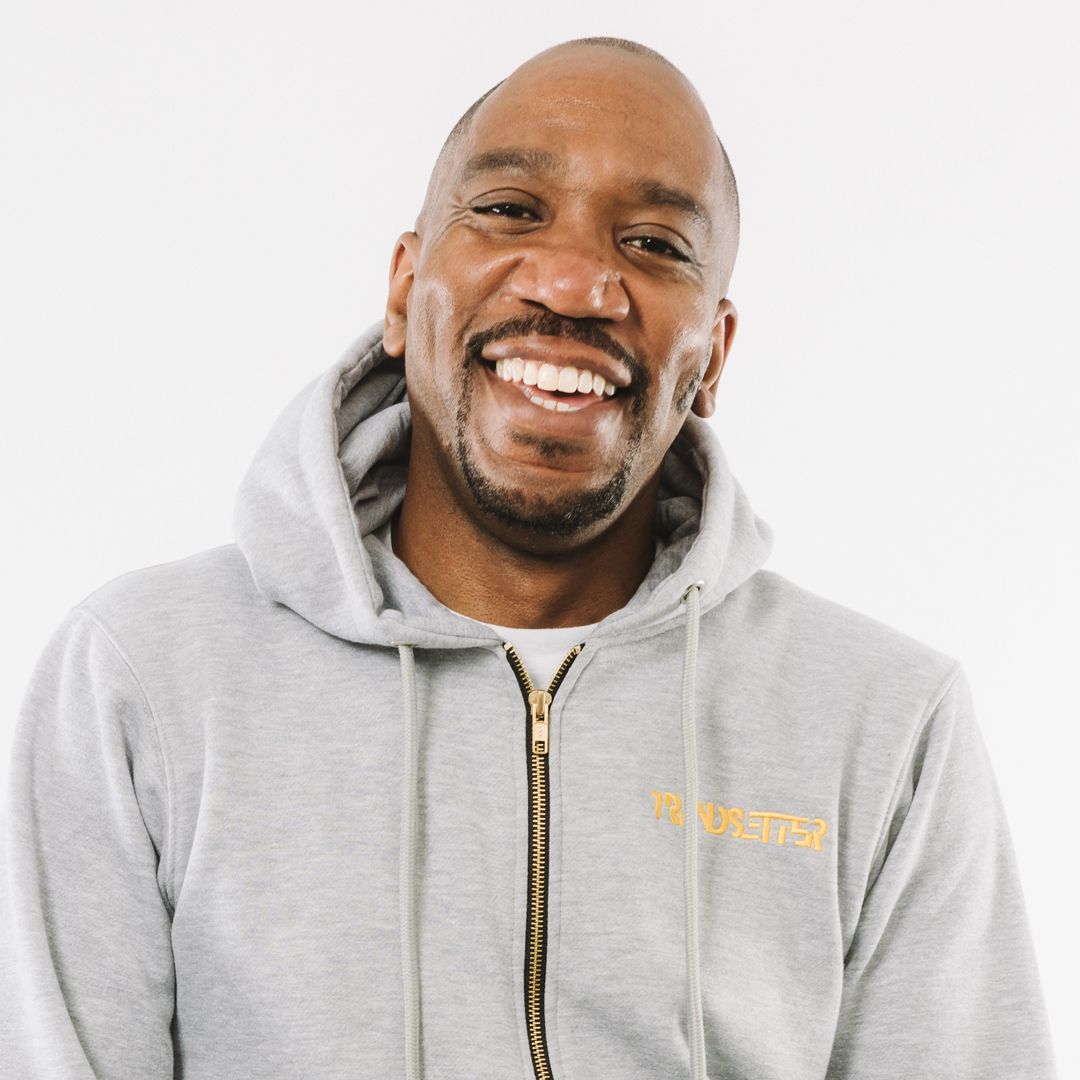
Gavin Alexander
Gavin AlexanderSenior Marketeer

**Learn what a label actually sells in 2026, how to price it against your equity, and the six steps to negotiate a deal you won't regret.**

What a record label deal actually buys in 2026 (and the maths you need before you sign)

Two weeks ago, DropTrack published a complete breakdown of the record deal landscape that contained a single sentence reframing the entire conversation: "The primary reason to sign a record deal in 2026 has shifted from access to scale."

That one line should change how every independent artist and their manager walks into a label meeting. For decades, a deal bought you entry: distribution, a catalogue number, a physical pressing, a route into editorial. In 2026, every one of those things is available for under £50/year with zero rights trade. What a label is actually selling now is different. Until you can name and price what you are buying, you cannot negotiate. You can only react.

The structural shift is measurable

Over 120,000 tracks are uploaded to streaming platforms every single day in 2026. The gatekeeping function of the label has structurally collapsed. Any artist can get their music on Spotify, Apple Music, and Amazon tomorrow morning.

The BMG/Concord $6.6 billion merger completed in June 2026, creating a $15 billion entity. Sony simultaneously acquired a Blackstone-held catalogue spanning Justin Bieber to Journey. The consolidation of the so-called "artist-friendly" mid-tier is accelerating. Fewer credible alternatives, more leverage concentrated in fewer hands.

MetaMusicMedia, writing this week, put it plainly: "Most artists in 2026 need distribution, a working team, and money to fund the next release, and a record label is one way to bundle all three." One way. Not the only way. Not necessarily the best way.

The question is not whether labels have value. They do. The question is whether the specific value they offer in your specific situation justifies the specific equity you will trade. That is a maths problem, and most artists sign without running the numbers.

What you are actually buying

To evaluate a label deal in 2026, an artist must understand four things they are actually buying and what each is worth on the open market.

Marketing budget

A label deal's primary remaining value is capital deployment. A mid-tier label deal might include £50,000–£250,000 in marketing spend. Before signing, ask: what is the committed minimum? Over what period? What happens to unspent budget? If this figure is not in the contract, it is not a commitment. It is a promise.

Playlist and editorial relationships

Major labels have dedicated teams pitching Spotify and Apple Music editorial. This has genuine value, but it is finite and genre-specific. Ask: which editorials has this label actually secured in the past 12 months for artists at your career stage? Request receipts.

Radio plugging and press infrastructure

For certain genres (pop, R&B, commercial dance), radio remains a meaningful reach channel. A label with active plugger relationships can place records that independent artists cannot. For most other genres, this value is close to zero in 2026.

Brand partnership pipelines

Labels increasingly act as middlemen between artists and brand-funded sync, ambassador deals, and co-marketing budgets. This is real, but again, measurable. What brand deals has this label brokered for comparable artists in the past 18 months?

The Mixcloud analysis is precise: "Record label deals are not inherently bad, but they are mathematical agreements. Understanding the numbers before signing is not cynical; it's professional."

Who this framework is for

This approach is most relevant for artists who:

- Are already generating meaningful streams (100K+ monthly listeners) or significant live revenue
- Have been approached by a label, or are actively seeking a deal (not artists in their first 12 months)
- Have or can access a music solicitor and a manager who can negotiate contract terms

Who this is NOT for: Artists who are signing because they need validation, visibility, or distribution. In 2026, a label deal solves none of those problems. Distribution platforms, social algorithms, and MAM's tools handle all three without a rights trade.

If you are signing because a label offered and you felt you could not say no, that is not leverage. Build leverage first.

Six steps to evaluate any deal rationally

1. request a deal memo before a full contract

Before instructing a solicitor, ask the label for a one-page term sheet. This forces them to state the key commercial terms clearly: advance, royalty rate, recoupment structure, term, options, and territory.

2. calculate your breakeven point

Divide the advance by your per-stream royalty rate under the proposed deal. That is how many streams you must generate before you see a penny beyond the advance. Compare this to your current trajectory.

3. separate the advance from the marketing commitment

Many artists conflate the two. An advance is recoupable against your royalties. It is a loan. Marketing spend is a label cost. Ensure the contract distinguishes clearly, and that marketing commitments are documented.

4. price the services independently

Get quotes from a PR agency, a playlist plugging service, a social media agency, and a radio plugger. Sum those costs for a 12-month campaign. Compare to the rights you are trading. This gives you a rational basis for negotiation.

5. negotiate the reversion clause

If the label has not released your record within 18 months, or if your streaming numbers fall below a defined threshold, rights should revert to you. This is standard in well-drafted deals and is often fought. Do not waive it.

6. run a parallel independent scenario

Model what the same capital (the advance) would buy you if deployed yourself through an independent campaign, a distribution deal, and hired specialists. Present this model to your manager. The comparison will clarify immediately whether the deal is additive.

The Jay-Z principle

Jay-Z's operating principle was never to avoid deals. It was to never enter a deal without understanding the equity trade. Roc-A-Fella was not built by rejecting the system. It was built by understanding what the system was buying and pricing it correctly before selling.

In 2026, the independent artist who sits across from a label A&R and can calmly say, "Here is what I think marketing, plugging, and editorial access is worth to my project, and here is what I'm prepared to trade for it" is not difficult to work with. They are expensive to low-ball. That is the correct relationship.

A label deal is not a reward. It is a commercial transaction. Treat it like one.

---

**Use Music Artist Manager's Deal Tracker to log your current deal terms, calculate breakeven points, and benchmark your negotiation position before you sign anything.**

→ [Explore the Deal & Contract Tracker in MAM]

---

**

Ready to streamline your workflow?

Stop piecing together spreadsheets and scattered notes. Join the waitlist for Music Artist Manager and get your entire rollout in one place.

Written By

Gavin Alexander

Gavin Alexander

Senior Marketeer

As the founder of Music Artist Manager, Gavin has spent years at the intersection of music and technology. Seeing firsthand how chaotic release rollouts and split sheets can be, he designed a platform that brings major-label infrastructure to independent artists and their teams. He writes extensively about industry trends, artist leverage, and workflow optimisation.


Enjoyed this article?

Join the Waitlist

Build Your Empire.

Join thousands of independent artists getting early access, industry secrets, and platform updates directly to their inbox.

By subscribing, you agree to receive marketing communications. No spam. You can unsubscribe at any time.