The cultural capital blueprint: How niche artists can out-earn mainstream acts with micro-communities
How to build micro-communities that generate real income, not just vanity metrics and empty engagement.
Cultural capital is the currency you can spend when streams dry up
Most independent artists are chasing the wrong number. They want 100,000 passive listeners when 1,000 active believers will pay their rent. This is the difference between audience size and cultural capital, and understanding it changes how you build, release, and monetise.
Cultural capital is the trust, attention, and influence you hold within a specific community. It is not clout. It is not followers. It is the ability to make something happen because people believe in what you do and want to see you win. For independent artists, this capital translates directly into financial sustainability: pre-saves that convert, merch that moves, ticket sales that don't need ads, and long-term careers that don't rely on algorithm mercy.
This article will show you how to identify, cultivate, and monetise micro-communities with real cultural capital. You will learn where to find them, how to earn your place, and how to convert belief into revenue without burning out or selling out.
Why micro-communities outperform mass audiences
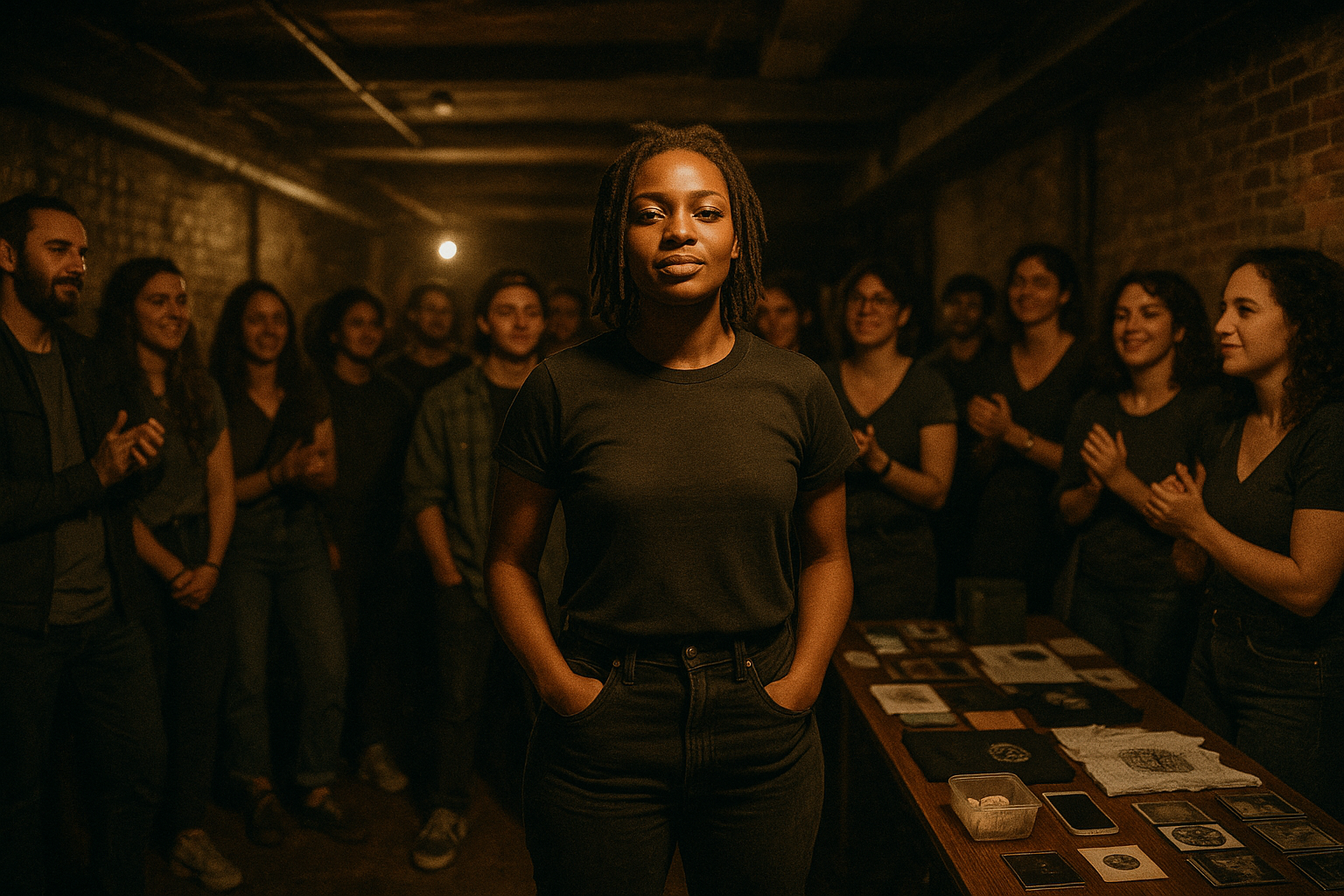
A micro-community is a small, highly engaged group of listeners who share identity, taste, or values. They might gather around a subgenre, a city, a creative practice, or a shared experience. What matters is density of connection, not scale.
Here is why they matter more than raw streaming numbers:
**Higher conversion rates.** A fan who feels seen will buy. A casual listener will skip to the next track. Micro-communities convert at 5 to 10 times the rate of broad audiences because the relationship is reciprocal, not transactional.
**Lower acquisition costs.** You do not need to spend on ads to reach people who are already in the room. Micro-communities are findable, participatory, and self-reinforcing. Word of mouth is the distribution model.
**Longer lifetime value.** These fans stick around. They buy vinyl, attend shows, share your work, and follow you between projects. They are not here for one song. They are here for what you represent.
**Cultural leverage.** Tastemakers, curators, and collaborators live in these spaces. Earn respect in the right 500-person Discord or Subreddit, and you gain access to opportunities that no playlist pitch ever unlocks.
Broad appeal is expensive to maintain and easy to lose. Cultural capital, once earned, compounds.
How to identify your micro-community
You cannot build capital in a room you do not understand. The first step is to locate the specific community where your work already resonates, or has the potential to.
**Start with your existing data.** Pull your Spotify for Artists demographics. Look for unexpected clusters: cities, age ranges, playlist types. Check your Instagram insights for accounts that consistently engage. Find the patterns that do not match your assumptions.
**Map adjacent scenes.** Your audience is not just people who sound like you. It is people who care about the same things. If you make lo-fi beats, your community might include graphic designers, indie game devs, and study-focused students. If you make protest folk, your audience overlaps with organisers, zine writers, and mutual aid networks.
**Follow the conversations.** Join the subreddits, Discord servers, and group chats where your potential fans already gather. Do not post your link. Listen first. Learn the language, the values, the inside jokes. Understand what they care about and why.
**Look for underserved niches.** The best micro-communities are the ones that feel ignored by the mainstream. If you can name a gap in representation, sound, or narrative that your work fills, that is your entry point.
Your community is not everyone who might like your music. It is the people who feel like your music was made for them.
How to cultivate cultural capital
Showing up is not enough. You earn capital by adding value, respecting the space, and proving you belong over time.
**Contribute before you extract.** Answer questions. Share resources. Celebrate other people's wins. If you are in a producer forum, give feedback on beats before you ask for plays. If you are in a local scene, show up to other people's shows. Capital is built through reciprocity, not self-promotion.
**Speak the language of the community.** Every scene has its own terminology, references, and shared history. Use it correctly. If you do not know it yet, learn it. Misusing insider language signals you are a tourist, not a member.
**Be consistent, not loud.** You do not need to post every day. You need to be present in a way that feels genuine and sustainable. Comment thoughtfully. Share work that matters. Show up when it counts.
**Create for the community, not just yourself.** Release a beat pack for producers. Write a guide on splits for other DIY artists. Host a listening session. Offer something that serves the people you want to build with.
**Collaborate with respect.** Work with artists and creators who are already embedded in the scene. Do not treat them as a shortcut. Treat them as peers. Collaboration rooted in mutual respect builds capital for everyone involved.
Cultural capital is not a hack. It is a practice. The artists who last are the ones who understand this.
How to monetise without exploitation
Capital only matters if it converts into sustainability. Here is how to turn trust into income without burning goodwill.
**Pre-release exclusivity.** Give your micro-community early access. A private link, a listening party, a behind-the-scenes voice note. Let them feel like insiders, because they are. This drives pre-saves, word of mouth, and day-one momentum.
**Direct-to-fan sales.** Sell directly through Bandcamp, Shopify, or Patreon. Offer limited vinyl, sample packs, session stems, or artwork. Keep margins high and keep the relationship direct. No middleman means more profit and more control.
**Tiered membership models.** Use Patreon, Buy Me a Coffee, or a private Discord. Offer real value at each tier: early releases, exclusive tracks, production breakdowns, one-on-one feedback sessions. Price it fairly and deliver consistently.
**Live performance and experiences.** Micro-communities want to gather. Host intimate shows, online listening parties, or collaborative jam sessions. Charge fairly. These events deepen connection and generate revenue that streaming never will.
**Licensing and sync rooted in identity.** Your music has a specific vibe and audience. Pitch it to brands, creators, and media that align with that identity. Cultural capital makes you more placeable, not less. Sync buyers want music that comes with a built-in audience and aesthetic clarity.
**Collaborative product lines.** Partner with designers, illustrators, or other creators in your community to release co-branded merch, zines, or digital goods. Split revenue fairly. This expands reach and reinforces your role in the culture.
Monetisation is not about squeezing your fans. It is about building systems where supporting your work feels good, fair, and worth it.
Where most artists lose cultural capital
Capital is easy to spend and hard to rebuild. Here is where independent artists most often burn it.
**Inconsistent presence.** You show up when you need something, then disappear. Communities notice. If you only engage during rollout season, you are not building capital. You are extracting it.
**Misreading the room.** Dropping a link in a space that does not allow self-promotion. Using the wrong tone. Ignoring community norms. Every scene has rules. Learn them or get ignored.
**Over-monetising too early.** You cannot sell to people who do not trust you yet. If your first ten interactions are pitches, you have already lost. Build the relationship first. The money follows.
**Failing to credit or compensate collaborators.** If you work with someone in the community, handle splits and credit correctly. A public dispute or unpaid session will destroy your reputation faster than anything else.
**Chasing trends outside your lane.** You do not need to pivot every time a new sound pops off. Your capital is tied to your identity. Abandoning it for short-term attention reads as opportunism, not growth.
**Ignoring feedback.** If your community tells you something is off, do not get defensive. Listen. Adjust. Cultural capital grows when people feel heard.
Respect the culture or lose access to it. There is no middle ground.
The long game: building a career on trust
Streaming revenue alone will not sustain you. Playlist placement is not a strategy. Viral moments fade. What lasts is the community you build and the capital you earn within it.
This is not about going indie because you have to. It is about choosing a model where you control the relationship, own the data, and keep the majority of the revenue. Micro-communities allow you to do that.
Start small. Find your 100 true believers. Serve them well. Let them bring the next 100. Build systems that reward loyalty and make supporting your work feel like membership, not charity.
Cultural capital is not a shortcut. It is the foundation of every independent career that lasts longer than a news cycle. The artists who understand this do not just survive. They build something that compounds.
You do not need a million people to care. You need the right thousand to believe. Go find them.
Ready to streamline your workflow?
Stop piecing together spreadsheets and scattered notes. Join the waitlist for Music Artist Manager and get your entire rollout in one place.
Written By
Gavin Alexander
Senior Marketeer
As the founder of Music Artist Manager, Gavin has spent years at the intersection of music and technology. Seeing firsthand how chaotic release rollouts and split sheets can be, he designed a platform that brings major-label infrastructure to independent artists and their teams. He writes extensively about industry trends, artist leverage, and workflow optimisation.