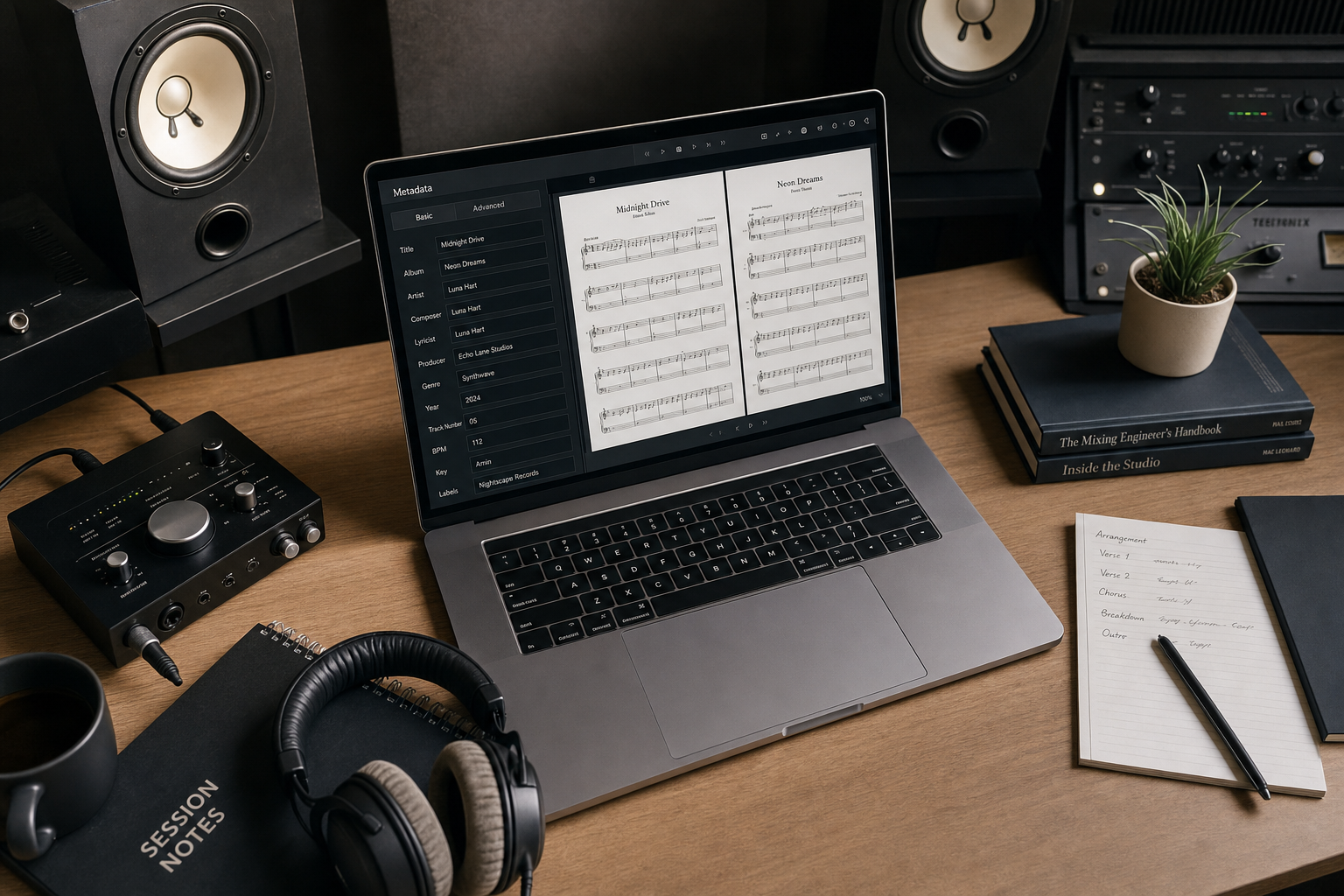
The assistant: Modern music manager as the artist's COO
Your manager isn't your personal assistant. They're your Chief Operating Officer. Learn what they own and what they delegate.
**Your manager isn't your personal assistant. They're your Chief Operating Officer. Learn what they own and what they delegate.**
The assistant music manager: Your chief operating officer
Most independent artists think they need a traditional manager. What they actually need is an operator.
The assistant music manager role exists in the space between DIY chaos and full-scale label infrastructure. This person is not your hype man. They are not your best friend who believes in your vision. They are your Chief Operating Officer, and their job is to turn your creative output into a functioning business.
This article breaks down what that role actually looks like, what they own, and what they delegate.
What the assistant manager actually does
The assistant manager runs three core functions: strategy, brand narrative, and team coordination.
**Strategy** means building your release calendar, sequencing your catalogue, and determining which songs get priority based on streaming performance and audience response. They track your DSP analytics, identify which tracks are converting listeners into followers, and use that data to inform your next move. They do not guess. They read the numbers and build a plan.
**Brand narrative** means controlling how you show up in the market. They write your one-sheet. They script your pitch to playlist curators. They make sure your Spotify bio, Apple Music bio, and press materials all tell the same story. They do not manage your Instagram captions or post TikToks for you. They define the message. You execute it.
**Team coordination** means they are the central node between you and every specialist you hire. They brief your publicist, review contracts with your lawyer, and make sure your accountant understands your royalty splits. They do not do the work of those specialists. They manage the handoffs.
What the assistant manager does not do
This is where most artists get it wrong. The assistant manager is not a one-person agency. They do not replace your lawyer, your booking agent, your publicist, or your accountant. They coordinate them.
Here is the breakdown:
**Legal work goes to a music attorney.** Contract review, split negotiation, publishing registration, trademark filings. Your assistant manager should understand these documents well enough to flag red flags, but they do not draft or sign off on legal terms. That is malpractice.
**Live bookings go to an agent.** Your assistant manager may help build your touring strategy and set revenue targets, but they do not negotiate guarantees, radius clauses, or production riders. Agents have relationships with venues and promoters that took years to build. Use them.
**Press coverage goes to a publicist.** Your assistant manager may write the pitch and approve the angle, but they do not send it to journalists or manage the media list. Publicists have editor relationships and know how to time a story. That is their lane.
**Money management goes to an accountant.** Your assistant manager should understand your royalty statements and flag discrepancies, but they do not file your taxes or structure your business entity. Get a CPA who works with creatives.
The assistant manager's job is to make sure all of these people are working toward the same goal, on the same timeline, with the same information.
How to structure the partnership
Most independent artists cannot afford to pay a full-time salary. That is fine. The assistant manager role works best as an equity-based partnership.
Here is a common structure: 15 to 20 percent of net income in exchange for operational leadership. Net income means after distribution fees, production costs, and marketing spend. Not gross. Not revenue. Profit.
This aligns incentives. If you do not make money, they do not make money. If you scale, they scale. This is not a favor. This is a business arrangement between two professionals who are building something together.
You formalize this with a management agreement. Your lawyer drafts it. The term is usually two to three years with performance benchmarks. If targets are not hit, either party can exit. No one is locked into a bad deal.
Why this role matters now
The music industry used to require a label to function. You needed their money for recording, their relationships for radio, and their infrastructure for distribution. That is no longer true.
Today, you can record in your bedroom, distribute through DistroKid or Stem, and reach millions of listeners without a single gatekeeper. But that does not mean you can do it alone.
The assistant manager is the person who professionalizes your operation without forcing you to give up ownership. They bring structure, accountability, and strategic thinking. They make sure you are not just releasing music, but building a catalogue. Not just gaining followers, but converting them into revenue.
If you are generating consistent streaming income, playing shows, and building a team, you are ready for this role. If you are still figuring out your sound or testing different brands, you are not. Wait until you have something to scale. Then bring in the operator who can help you scale it.
The bottom line
The assistant music manager is not a luxury. They are a necessity for any artist who wants to turn creative work into sustainable income. They do not do everything. They coordinate everyone. They do not replace specialists. They manage them.
If you are serious about building a business around your music, this is the first hire that matters. Not because they will make you famous, but because they will make you functional.
Ready to streamline your workflow?
Stop piecing together spreadsheets and scattered notes. Join the waitlist for Music Artist Manager and get your entire rollout in one place.
Written By
Gavin Alexander
Senior Marketeer
As the founder of Music Artist Manager, Gavin has spent years at the intersection of music and technology. Seeing firsthand how chaotic release rollouts and split sheets can be, he designed a platform that brings major-label infrastructure to independent artists and their teams. He writes extensively about industry trends, artist leverage, and workflow optimisation.