Your fans belong to you, not your label: The independent manager's guide to fan data
The MMF's new guide breaks down the ten categories of fan data every artist needs to control. Here is how to stop borrowing audiences from social platforms.
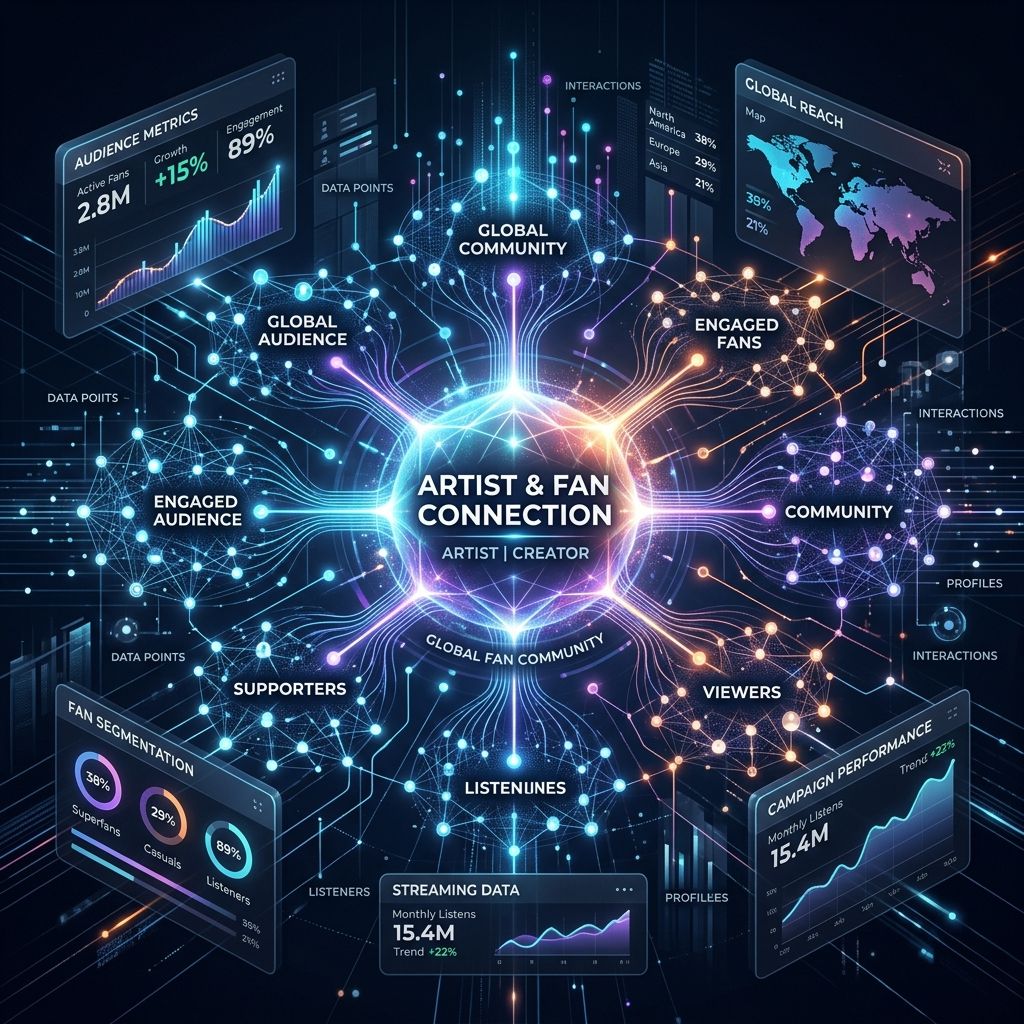
At the heart of the entire business of music is the artist's relationship with their fanbase. Every revenue stream for every strand of the music industry begins with that connection.
But who actually owns that connection? The Music Managers Forum recently released the Second Edition of their Fan Data Guide, and the core message is simple. The fan relationship ultimately belongs to the artist, not the platforms they use or the business partners they work with.
You do not own your data, you control it
We often talk about owning fan data, but that term is not quite accurate. Fan data is data about people and is governed primarily by privacy laws like the General Data Protection Regulation.
Simply put, if an artist wants to decide how their fan data is used and how its value is shared, they must operate as a controller of their fan data. Ideally, artists would hold their data in a legal entity, as this allows more flexibility and protects the artist from personal liability.
The danger of borrowed audiences
There are some clear limitations with social data. First, it belongs to the platforms, and they retain control of it. Second, any sudden changes in algorithm or customer policy can render it more difficult for an artist to reach their followers. To put it another way, it is their customer base, not yours.
Artists will never be a controller of fan data on social media platforms like TikTok or Instagram. That does not mean artists should ignore them, but social media audiences are effectively borrowed and it often costs to reach them.
Your immediate action plan
Run a simple fan data audit identifying which platforms and partners are currently gathering data related to your fans. You need to map out your email lists, ticketing data, smart links, and remarketing pixels.
Managers need to ensure that data ownership and sharing is part of any agreements with any business partners, including record labels and tour promoters. Ensure you ask promoters if you will get ticket buyer email addresses before you sign.
Every business across the UK operates under the same rules. If they can all manage data compliance, so can your artist business.